
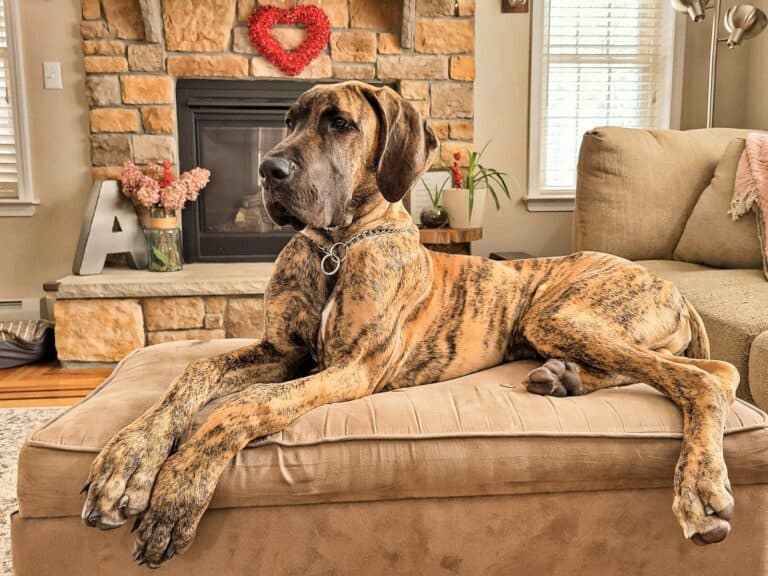
Large Dog Breeds
Large dog breeds are known for their presence, strength, intelligence, and often loyal, steady personalities. While many large breeds are gentle and affectionate with their families, they also require more space, resources, training, and daily management than smaller dogs. Their size alone makes early socialization, obedience training, and structure extremely important from a young age.
Many of these breeds were originally developed for specific jobs such as guarding, herding, pulling carts, hunting, search and rescue, or protecting livestock. Because of this, they often have strong instincts, high intelligence, and a natural desire for physical and mental activity. Breeds such as the German Shepherd Dog, Rottweiler, Great Dane, Bernese Mountain Dog, and Newfoundland are popular examples of large breeds with very different personalities and care requirements.
Large dogs often need more exercise, larger living spaces, stronger equipment, and higher food budgets than smaller breeds. Veterinary care, medications, grooming, boarding, and travel expenses may also cost more due to their size. Proper training is especially important because managing an untrained large dog can quickly become difficult and unsafe.
Despite their size, many are incredibly loving, loyal, and family-oriented companions. With proper training, socialization, exercise, and responsible ownership, large dogs can become calm, dependable pets that form strong bonds with their families.
Breed Tendencies and Traits
They often have strong personalities and varying energy levels. Some are calm and laid-back, while others require a significant amount of exercise and engagement.
Popular large breeds include:
German Shepherd – Intelligent, loyal, and protective
Golden Retriever – Friendly and dependable
Labrador Retriever – Social and adaptable
Rottweiler – Strong, confident, and protective
Great Dane – Gentle and calm despite size
Alaskan Malamute – Powerful and independent
Bernese Mountain Dog – Gentle and family-oriented
Doberman Pinscher – Alert and highly trainable
Boxer – Energetic and loyal
Standard Poodle – Intelligent and versatile
Siberian Husky – Energetic and independent
Saint Bernard – Calm and patient
Newfoundland – Gentle and protective
Collie – Loyal and family-focused
Weimaraner – Active and driven
Each breed has different needs, and understanding those differences is important before making a decision.
Space and Responsibility
These dogs require significantly more responsibility than many people initially expect. Their size affects nearly every part of ownership, from daily care and training to housing, travel, and long-term expenses. While many large breeds are calm, affectionate, and loyal companions, they still require structure, consistency, and responsible handling from an early age.
Typically require:
- More space to move comfortably
- Higher food and veterinary costs
- Larger crates, beds, vehicles, and equipment
- Early training for control and safety
- Consistent structure and leadership
- Regular exercise and mental stimulation
Without proper training and management, the size and strength of large dogs can make them difficult to handle. Even friendly dogs may unintentionally knock over children, pull strongly on a leash, or become challenging to manage if basic obedience is ignored. Early socialization is especially important to help large dogs become confident, stable, and well-mannered in different environments.
Many large breeds mature more slowly both physically and mentally, meaning training and consistency often need to continue well into adulthood. Owners should also be prepared for increased costs associated with food, medications, grooming, boarding, and emergency veterinary care, as larger dogs generally require more resources overall.
Despite the added responsibility, large dog breeds are often deeply loyal and strongly bonded to their families. Many are gentle, affectionate, protective, and highly devoted companions when given proper guidance, exercise, training, and structure throughout their lives.
Growth and Development
Large breed puppies grow rapidly during their first year, and that growth must be carefully managed to help support healthy bone and joint development. Because their bodies mature more slowly and carry more weight, improper nutrition, excessive exercise, or rapid growth can increase the risk of orthopedic problems later in life.
Large breed puppies often require:
- Controlled exercise to protect developing joints
- Proper nutrition designed for steady growth
- Monitoring weight and body condition
- Avoiding excessive strain while developing
- Appropriate calcium and phosphorus balance
- Consistent veterinary monitoring during growth stages
One of the most important factors in development is nutrition. Many veterinarians recommend feeding foods specifically formulated for large breed puppies because these diets are designed to support slower, more controlled growth. Rapid growth caused by overfeeding or improper nutrition may place excess stress on bones and joints while the puppy is still developing.
Excessive exercise, repetitive jumping, long-distance running, or forced physical activity should also be limited while growth plates are still open. Puppies need exercise and socialization, but activities should remain age-appropriate and balanced.
Maintaining a healthy weight is extremely important for large breeds. Carrying excess weight during development may increase stress on joints and contribute to future mobility concerns. Regular veterinary care, proper feeding, and careful monitoring of growth all play major roles in supporting long-term health.
Early care and responsible management during puppyhood can have a lasting impact on the health, comfort, structure, and quality of life of large dog breeds as they mature into adulthood.
Final Thoughts
Large dogs can be incredibly rewarding companions. With the right structure, training, and commitment, they can become loyal, steady, and well-balanced members of the family. Many large breeds are known for their protective instincts, affectionate personalities, intelligence, and strong bonds with their owners.
However, owning a large dog also comes with significant responsibility. Their size alone makes early socialization, obedience training, and consistent leadership extremely important. Without proper structure and guidance, even friendly large dogs can become difficult to manage simply because of their strength and physical size.
Large breeds often require more space, exercise, food, and financial commitment than smaller dogs. Veterinary care, grooming, medications, boarding, and transportation expenses may also be higher throughout the dog’s life. Understanding these responsibilities before bringing a large breed home can help owners better prepare for long-term success.
Many large breeds mature more slowly than smaller dogs, both physically and mentally. Patience, consistency, and ongoing training are often necessary during adolescence and adulthood. Proper nutrition, weight management, and controlled exercise during puppyhood also play major roles in supporting healthy growth and joint development.
Despite the added responsibility, large dog breeds are often incredibly loving and deeply devoted companions. Many thrive in family environments and enjoy being involved in daily activities, outdoor adventures, and time spent with their people. With proper care, socialization, exercise, and training, large breeds can become calm, dependable dogs that fit well into a variety of households.
Choosing a large dog should always involve realistic expectations, research, and an understanding of the breed’s individual needs. For owners willing to invest the time and effort, large dog breeds can become loyal lifelong companions that leave a lasting impact on the entire family.
Helpful Links
American Kennel Club Large Dog Breeds
https://www.akc.org/expert-advice/lifestyle/biggest-dog-breeds/
American Veterinary Medical Association Pet Owner Resources
https://www.avma.org/resources-tools/pet-owners
The Spruce Pets Large Dog Guides
https://www.thesprucepets.com/large-dog-breeds-4162141
PetMD Dog Health & Care Articles
https://www.petmd.com/dog