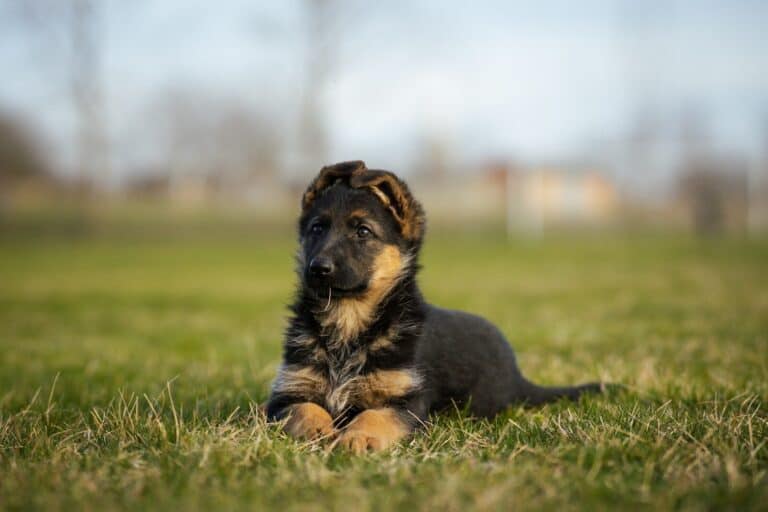
German Shepherd Dog
About the Breed
The German Shepherd Dog is a large, agile, intelligent working breed known for loyalty, courage, and versatility. The breed is widely respected for service, police, military, sport, and serious companion work.
History
German Shepherds were intentionally developed as utilitarian herding and working dogs, with structure, gait, intelligence, and character all shaped around practical function. Their history as herders expanded into police, military, guide, and service roles because of their trainability and adaptability.
Height
Males generally stand 24–26 inches and females 22–24 inches.
Weight
Common pet-owner references place males around 65–90 pounds and females around 50–70 pounds.
Life Expectancy
About 12–14 years is commonly cited.
Overall Health
German Shepherds are capable, athletic dogs, but sound breeding and conditioning are vital because the breed can be affected by hip and elbow dysplasia, degenerative conditions, digestive sensitivity, and some inherited neurologic issues. Strong structure and stable temperament should be considered just as important as appearance.
Health Testing They Should Have
Hip evaluation
Elbow evaluation
Cardiac screening as appropriate
Degenerative myelopathy DNA testing
Temperament and working-suitability evaluation
Eye screening when indicated by pedigree or program practices
Breed Traits and Characteristics
German Shepherds are loyal, confident, courageous, steady, and highly intelligent. They usually bond closely with their family and tend to do best with experienced or committed owners who can provide leadership, structure, and regular activity.
Temperament Ratings
Affectionate with family: 8/10
Good with young children: 7/10
Good with other dogs: 6/10
Shedding level: 8/10
Watchdog/protective nature: 10/10
Energy level: 8/10
Grooming frequency: 5/10
Drooling level: 2/10
Coat Type
Double coat, commonly medium length, with also a long-coated variety recognized in some standard discussions.
Colors
Black and tan is the classic look, but black, sable, and other accepted pattern variations also occur depending on standard interpretation.
Markings
Black-and-tan saddle patterns, sable patterning, and darker masks are common breed presentations.
Breed Standard Snapshot
The German Shepherd standard emphasizes a strong, well-balanced, muscular dog of noble character and high intelligence, built for efficient, ground-covering movement and practical working ability.
Exercise Needs
German Shepherds need significant daily exercise and mental work, not just backyard time. They usually do best with obedience, tracking, scent work, hiking, structured play, and job-like activity.
Training Needs
Training should begin early and stay consistent through adulthood because the breed is powerful, intelligent, and sensitive to unclear handling. Socialization, impulse control, neutrality around strangers, and engagement with the handler are especially important.
Final Thoughts
The German Shepherd Dog is one of the most respected and versatile working breeds in the world. Renowned for intelligence, loyalty, and courage, these dogs excel in police work, military service, search and rescue, service work, competitive sports, and as devoted family companions.
German Shepherds form deep bonds with their families and are known for their willingness to work and protect. They are highly trainable and thrive when given structure, consistent leadership, and meaningful daily activity. Their intelligence and eagerness to learn make them outstanding partners for owners who enjoy training and engagement.
This breed requires significant physical exercise and mental stimulation. Without adequate activity, they may develop behavioral issues such as excessive barking, anxiety, or destructive habits. Early socialization and reward-based training are essential to developing a confident, well-adjusted adult.
Responsible breeders should perform health testing for hip and elbow dysplasia, degenerative myelopathy, cardiac health, and temperament stability. Because the breed can be prone to orthopedic and neurological conditions, selecting a breeder who prioritizes sound structure and long-term health is critical.
For families and individuals seeking an intelligent, loyal, and highly capable companion, the German Shepherd Dog remains an exceptional choice. With responsible breeding, proper training, and lifelong commitment, this breed offers unmatched devotion, versatility, and companionship.
Breed Resources
AKC German Shepherd Dog page: https://www.akc.org/dog-breeds/german-shepherd-dog/
German Shepherd Dog Club of America: https://gsdca.org/
UKC breed reference: https://www.ukcdogs.com/german-shepherd-dog