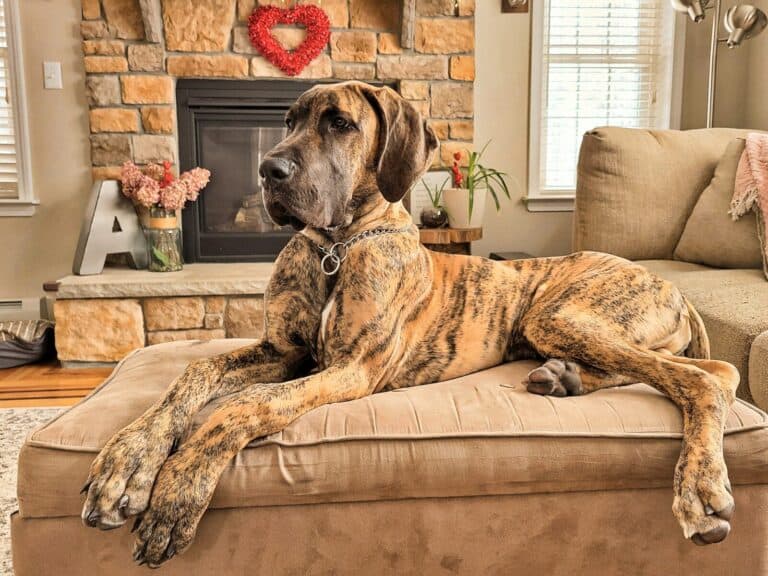
Great Dane
About the Breed
The Great Dane is one of the most recognizable and awe-inspiring dog breeds in the world. Renowned for its towering height and noble appearance, this giant breed is often described as the “gentle giant” because of its affectionate, patient, and friendly temperament. Despite their imposing size, these dogs are typically calm, sensitive, and deeply devoted to their families.
Great Danes were originally developed as powerful hunting dogs capable of pursuing and holding dangerous game such as wild boar. Over time, selective breeding emphasized a more stable and companion-oriented temperament while preserving the breed’s impressive stature, athleticism, and courage. Today, they are cherished primarily as family companions, though they still retain a confident and protective presence.
These dogs are known for forming exceptionally strong bonds with their owners and generally prefer to be involved in all aspects of family life. Many are affectionate to the point of leaning against their people for comfort and attention. They are often excellent with children when properly supervised, although their tremendous size means that even a friendly dog can accidentally knock over small children.
Great Danes are moderately energetic and enjoy daily walks, play sessions, and opportunities to stretch out and move freely. They do not require endless exercise, but they do need regular activity and mental stimulation to remain fit and content. Because they grow rapidly during puppyhood, careful nutrition and controlled exercise are critical to support healthy bone and joint development.
The short coat is easy to maintain and comes in several striking colors, including fawn, brindle, blue, black, harlequin, and mantle. Grooming is relatively simple, but drooling can be significant in some lines, and the breed’s size increases the cost of food, bedding, medications, and veterinary care.
This breed is best suited to owners who have adequate space, financial preparedness, and a commitment to early training and responsible health management. When bred carefully and raised with love and structure, these gentle giants are loyal, dignified, and remarkably affectionate companions.
History
The Great Dane originated in Germany, where ancestors of the breed were developed several hundred years ago to hunt wild boar. These early dogs were large, courageous, and athletic, possessing the strength and determination necessary to confront one of Europe’s most dangerous game animals.
To create these formidable hunters, German nobles crossed mastiff-type dogs with swift hounds, producing animals that combined size, speed, and endurance. Over time, breeders refined the dogs to become more elegant and dependable while maintaining their power and courage. As hunting practices changed and wild boar became less common, the breed transitioned from a specialized hunting dog to a prestigious estate guardian and family companion.
The name “Great Dane” is somewhat misleading, as the breed is German rather than Danish. The modern German name, Deutsche Dogge, translates roughly to “German Mastiff.” The breed was standardized in Germany during the 19th century, and enthusiasts established clear guidelines for structure, movement, and temperament.
The American Kennel Club officially recognized the breed in 1887, making it one of the organization’s earliest recognized breeds. Since then, Great Danes have become admired worldwide for their combination of grandeur, kindness, and loyalty.
Today, they are best known as affectionate family companions rather than boar hunters. Their gentle nature, commanding presence, and remarkable devotion have made them one of the most beloved giant breeds in the world.
Height
Males are generally about 30 to 34 inches tall or more. Females are usually about 28 to 32 inches tall.
Weight
Most Great Danes weigh about 110 to 175 pounds, though some may be heavier depending on build and sex.
Life Expectancy
The typical life expectancy is about 7 to 10 years.
Overall Health
Great Danes are striking dogs, but their giant size brings significant health considerations. They are prone to bloat, heart disease, hip dysplasia, and orthopedic stress, and their lifespan is often shorter than many smaller breeds. Maintaining a lean body condition, proper conditioning, and careful management is essential.
Health Testing They Should Have
Hip dysplasia evaluation
Cardiac evaluation
Eye disease evaluation
Thyroid testing when indicated
Relevant DNA testing based on lineage
General structural soundness
Breed Traits and Characteristics
Great Danes are typically affectionate, steady, gentle, and loyal. They are often good with family members and can be surprisingly sensitive for such a large breed. Most prefer to stay close to their people and may not be aware of their own size.
Temperament Ratings
Affectionate with family: 9/10
Good with young children: 8/10
Good with other dogs: 7/10
Shedding level: 6/10
Watchdog and protective nature: 7/10
Energy level: 5/10
Grooming frequency: 3/10
Drooling level: 8/10
Coat Type
The coat is short, smooth, and sleek.
Colors
Fawn
Brindle
Blue
Black
Harlequin
Mantle
Merle
Markings
Black masks
White patches
Mantle patterning
Harlequin spotting
Breed Standard
The breed standard emphasizes a giant, powerful, well-formed dog that is elegant, balanced, and steady in expression and movement. A correct Great Dane should appear noble and substantial without looking coarse or sluggish.
Exercise Needs
Great Danes need regular daily exercise, but not excessive impact, especially when young. Controlled walks, light play, and gradual conditioning are preferred over intense or repetitive strain. Puppies should be protected from overexertion during growth.
Training Needs
Training should begin early due to the breed’s size. Great Danes are generally willing and affectionate, responding well to calm, consistent, reward-based methods. Basic manners, leash skills, and polite behavior are especially important for a dog of this size.
Final Thoughts
The Great Dane is one of the largest and most impressive dog breeds in the world, yet it is widely known for its calm, affectionate, and gentle temperament. Often referred to as the “gentle giant,” this breed combines tremendous size with a loving and people-oriented personality.
Great Danes typically form strong bonds with their families and thrive when included in daily life. They are often patient with children and can be friendly with other pets when properly socialized. Despite their massive stature, many are sensitive and deeply devoted companions that prefer to stay close to their owners.
Because of their size, these dogs require thoughtful management, quality nutrition, and regular veterinary care. Growth should be carefully monitored during puppyhood to support healthy development. Moderate exercise and early training are essential to ensure they become well-mannered adults capable of handling their strength.
Responsible breeders should screen for hip dysplasia, cardiac disease, thyroid disorders, and other inherited concerns. Bloat (gastric dilatation-volvulus) is a major health risk, and potential owners should become familiar with prevention strategies and emergency signs.
For families and individuals prepared for the costs and responsibilities of owning a giant breed, the Great Dane offers exceptional affection, loyalty, and companionship. With responsible breeding and proper care, these remarkable dogs can become unforgettable members of the family
Breed Resources
AKC Great Dane page: https://www.akc.org/dog-breeds/great-dane/
Great Dane Club of America: https://gdca.org/
UKC breed reference: https://www.ukcdogs.com/great-dane