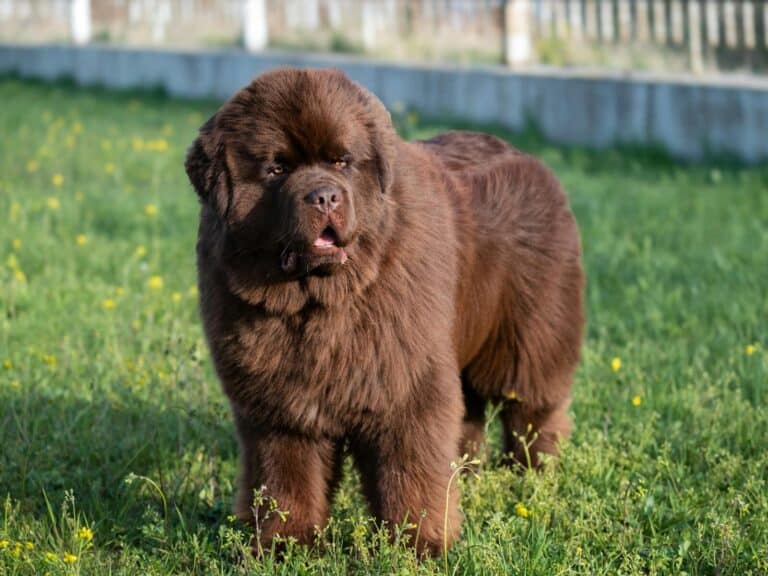
Newfoundland
About the Breed
The Newfoundland is a giant working dog known for its calm temperament, massive size, intelligence, and gentle personality. This breed has earned a reputation as one of the kindest and most dependable family companions in the dog world. Despite its enormous appearance and powerful build, this dog is typically affectionate, patient, and highly people-oriented.
Originally developed to assist fishermen and workers in harsh coastal conditions, these dogs became respected for their incredible strength, swimming ability, and willingness to work closely with humans. Many individuals naturally form deep emotional bonds with their families and strongly prefer companionship over independence.
This breed is especially admired for being calm and tolerant around children. Many owners describe these dogs as sweet-natured, emotionally sensitive, and eager to stay close to their people throughout the day. Their steady temperament and protective instincts make them excellent family companions when properly trained and socialized.
Although often calm indoors, these dogs still require regular activity, mental stimulation, and structure. Their large size also means that early obedience training and socialization are extremely important. Even friendly giant breeds can become difficult to manage without consistent guidance.
These dogs are commonly described as affectionate, loyal, gentle, patient, intelligent, dependable, and protective.
History
The Newfoundland originated on the island of Newfoundland in Canada, where these dogs worked alongside fishermen and coastal communities. Their exact ancestry is not fully documented, but historians believe they descended from large European working dogs brought to the region by settlers and sailors.
These powerful dogs quickly became invaluable because of their ability to perform physically demanding tasks in cold and dangerous conditions. They were used to pull fishing nets, transport heavy equipment, haul carts, and assist with water rescues.
The Newfoundland became especially famous for its natural swimming instincts and lifesaving abilities. Historical accounts describe dogs rescuing drowning individuals, pulling people safely to shore, and helping crews during rough ocean conditions.
Several physical traits made these dogs exceptionally suited for water work. Their large lung capacity, muscular bodies, webbed feet, dense coats, and incredible endurance allowed them to swim efficiently even in icy waters.
Over time, the breed gained international recognition not only as a hardworking utility dog but also as a beloved companion. Today, these dogs continue to excel in water rescue, therapy work, draft work, obedience, and family companionship.
Height
Male Newfoundlands generally stand approximately 28 inches tall at the shoulder, while females are usually closer to 26 inches tall.
Proper structure should appear balanced, substantial, and powerful without sacrificing movement or coordination.
Weight
Most Newfoundlands weigh approximately 100 to 150 pounds depending on gender, genetics, conditioning, and overall structure.
Healthy body condition is especially important in giant breeds because excessive weight can place significant strain on joints, ligaments, and the cardiovascular system.
Life Expectancy
The Newfoundland typically lives approximately 8 to 10 years.
Like many giant breeds, lifespan is often shorter than that of smaller dogs. Proper nutrition, healthy weight management, preventative veterinary care, and responsible breeding practices all contribute significantly to quality of life and longevity.
Overall Health
The Newfoundland can be prone to several inherited health concerns, especially when breeding practices do not prioritize health and structural soundness.
Potential health concerns may include hip dysplasia, elbow dysplasia, heart disease, cystinuria, eye disorders, cruciate injuries, obesity-related issues, and gastric dilatation-volvulus, commonly known as bloat.
Because these dogs are deep-chested and heavily built, joint and orthopedic concerns can become particularly significant if growth and conditioning are not managed properly during development.
Hot weather can also be challenging because the thick double coat makes temperature regulation more difficult. Owners should carefully monitor activity during warm temperatures to prevent overheating.
Health Testing They Should Have
Responsible Newfoundland breeders should prioritize extensive health testing before breeding.
Recommended evaluations often include hip testing, elbow evaluations, cardiac screening, cystinuria DNA testing, eye examinations, structural evaluations, and temperament assessments.
Breeding dogs should demonstrate stable temperaments, healthy movement, strong physical structure, and overall soundness.
Potential owners should always request documentation showing health testing completed on parent dogs whenever possible.
Breed Traits and Characteristics
The Newfoundland is known for combining immense strength with remarkable gentleness and emotional sensitivity. Many individuals display calm and patient temperaments that make them excellent companions for families and children.
These dogs often form strong emotional bonds and prefer remaining near family members throughout the day. Many are highly social and thrive when included in household routines and activities.
Despite their calm personalities, these dogs are still intelligent working animals that benefit from mental stimulation and purposeful activities. Regular interaction, training, and companionship all help support balanced behavior.
Without proper socialization and structure, giant dogs can become difficult to handle simply because of their size. Early guidance and exposure to different environments are extremely important.
Common personality traits include loyalty, patience, affection, calmness, protectiveness, gentleness, and dependability.
Temperament Ratings
Affectionate with family: 10/10
Good with young children: 10/10
Good with other dogs: 8/10
Shedding level: 9/10
Watchdog/protective nature: 6/10
Energy level: 5/10
Grooming frequency: 9/10
Drooling level: 9/10
Coat Type
The Newfoundland has a dense double coat designed to provide insulation and water resistance in harsh weather conditions.
The outer coat is typically medium-long, coarse, and slightly oily, while the undercoat remains soft and thick for insulation.
Regular coat maintenance is extremely important. Routine grooming usually includes frequent brushing, seasonal deshedding, nail trimming, ear cleaning, and dental care.
Without consistent grooming, mats and tangles can develop quickly, especially around the legs, chest, and feathering areas.
Heavy seasonal shedding is common, particularly during coat blow periods.
Colors
The Newfoundland is most commonly seen in black, brown, gray, and black-and-white color patterns.
The black-and-white variation is often referred to as the Landseer pattern and features a primarily white coat with large black markings.
Regardless of color, the breed is valued for its balanced structure, kind expression, and powerful appearance.
Markings
A small amount of white on the chest, toes, or tail tip may occasionally appear in solid-colored dogs.
Traditional standards generally prefer clean and balanced markings without excessive white outside accepted patterns.
Breed Standard
Breed standards emphasize a dog that is powerful, balanced, coordinated, and capable of performing physically demanding work.
Responsible breeding programs should prioritize stable temperament, sound structure, healthy movement, proper working ability, and overall health above exaggerated size alone.
Movement should appear smooth, efficient, and strong despite the breed’s massive build.
Exercise Needs
The Newfoundland requires regular exercise and mental stimulation to maintain healthy behavior and physical conditioning.
Most individuals benefit from daily walks, swimming, outdoor activities, structured play, training sessions, and interactive games.
Although calmer than many sporting breeds, these dogs are still working animals and generally do not thrive when left inactive for long periods.
Puppies should not be over-exercised during growth periods because excessive impact can place stress on developing joints and bones.
Swimming is often an excellent low-impact activity because many dogs naturally enjoy water.
Training Needs
The Newfoundland responds best to calm, positive, and consistent training methods. Because these dogs are highly intelligent and emotionally sensitive, harsh corrections are usually unnecessary and may negatively affect confidence.
Training should begin early and include socialization, leash manners, obedience, exposure to different environments, and confidence-building experiences.
Large breeds require especially reliable manners because of their size and strength. Even friendly dogs can accidentally overwhelm people if not properly trained.
Many individuals excel in therapy work, water rescue, obedience, service work, and draft activities because of their intelligence and willingness to cooperate with humans.
Grooming Requirements
Heavy grooming maintenance is part of owning this breed.
Routine care generally includes frequent brushing, seasonal deshedding, ear cleaning, nail trimming, and coat maintenance around the feet and legs.
Drooling is also common, especially after eating, drinking, exercising, or spending time outdoors.
Owners should realistically prepare for loose hair, mud, drool, and substantial grooming responsibilities before bringing one home.
Living Environment
These dogs thrive best in homes where companionship, interaction, and adequate space are available.
Cooler climates are often ideal because thick coats make warm weather more difficult to tolerate.
Although generally calm indoors, giant breeds still require room to move comfortably and should not spend excessive time confined to very small spaces.
These dogs typically do best in homes where they are treated as active family members rather than isolated outdoor animals.
Compatibility With Children and Other Pets
This breed is famous for being gentle and patient with children. Many individuals display calm, tolerant behavior and strong protective instincts around family members.
Most dogs also do well with other pets when properly socialized from an early age.
Because of the breed’s enormous size, supervision is still important around small children and fragile pets. Accidental knocking over can occur even in extremely friendly individuals.
Early socialization helps encourage balanced and confident behavior around people and animals.
Common Misconceptions
One common misconception is that these dogs are simply lazy giants. In reality, they are intelligent working animals that require training, exercise, interaction, and mental stimulation.
Another misconception is that calm temperament automatically means easy ownership. Giant breeds come with significant responsibilities involving grooming, veterinary expenses, food costs, training, drool management, and physical handling.
Some owners are also surprised by how emotionally sensitive and people-oriented these dogs can become.
Is This Breed Right for Everyone?
This breed can make an outstanding companion for owners willing to invest time into grooming, training, socialization, companionship, exercise, and giant-breed care.
However, these dogs may not be ideal for people seeking minimal grooming, low expenses, tiny living spaces, or highly independent personalities.
Potential owners should carefully evaluate their lifestyle, budget, and available space before bringing one home.
Final Thoughts
The Newfoundland remains one of the most respected giant working breeds in the world because of its unique combination of strength, gentleness, intelligence, and loyalty. Originally developed as a hardworking utility and water rescue dog, this breed continues to excel not only in work but also as a devoted family companion.
Although these dogs can be incredibly affectionate, patient, and dependable, they also require substantial grooming, training, companionship, and responsible care. Their size alone creates unique responsibilities that prospective owners should fully understand before committing to the breed.
For families and individuals prepared to meet both the physical and emotional needs of these remarkable dogs, they can become extraordinarily loving, trustworthy, and unforgettable lifelong companions.
Breed Resources
AKC Newfoundland page: AKC Newfoundland page
Newfoundland Club of America: Newfoundland Club of America
UKC breed reference: UKC Newfoundland