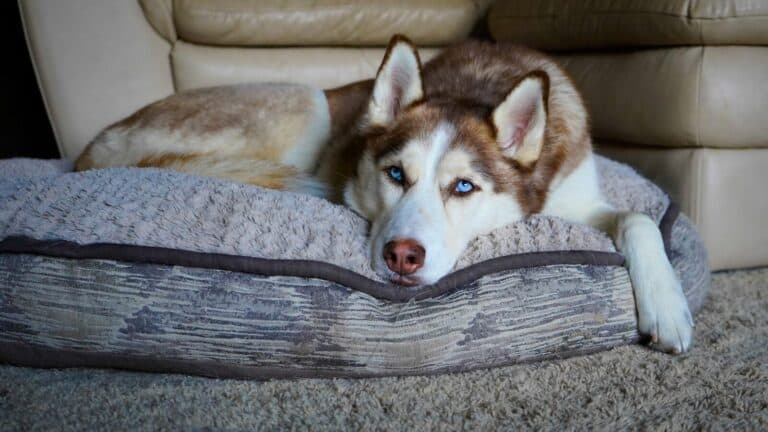
Siberian Husky
About the Breed
The Siberian Husky is a medium-sized working breed originally developed by the Chukchi people of Siberia to pull sleds across long distances in harsh Arctic conditions. Known for endurance, athleticism, and striking appearance, the breed has become popular worldwide for its wolf-like features, thick double coat, and energetic personality.
Huskies are highly active, intelligent, and social dogs that thrive in environments where they receive regular exercise and mental stimulation. They were bred to work in teams, which often makes them friendly and outgoing with both people and other dogs. Many Huskies are affectionate with their families and enjoy being involved in daily activities, outdoor adventures, and exercise-based lifestyles.
The breed is known for its thick double coat, erect ears, bushy tail, and eye-catching appearance. They may have brown eyes, blue eyes, or even one of each. Their coat comes in a wide variety of colors and markings, including black and white, gray and white, red and white, sable, agouti, and solid white.
Because of their working background, many have very high energy levels and require consistent exercise. Without enough physical activity and mental stimulation, they may become destructive, vocal, or attempt to escape fenced areas. Many are known for being talented escape artists due to their intelligence and curiosity.
They are generally intelligent but can also be independent and stubborn, which may make training more challenging for inexperienced owners. Early socialization, structure, and consistent training are extremely important.
While beautiful and affectionate, Huskies are not typically low-maintenance dogs. Their exercise requirements, heavy seasonal shedding, and strong working instincts make them best suited for active owners prepared for the responsibilities that come with the breed.
History
The Siberian Husky originated in northeastern Asia with the Chukchi people of Siberia, an indigenous group that relied heavily on these dogs for survival in harsh Arctic conditions. The breed was developed over centuries to pull lightweight sleds across long distances while using minimal energy, making them highly efficient endurance dogs.
The Chukchi people depended on Huskies for transportation, hunting support, and companionship. Unlike some working breeds bred primarily for guarding or protection, Siberian Huskies were raised closely with families and often lived alongside children, contributing to the breed’s social and people-oriented temperament.
In the early 1900s, Siberian Huskies gained international attention when they were brought to Alaska during the Nome Gold Rush for sled racing. Their speed, endurance, and ability to handle extreme weather quickly made them successful racing dogs and valuable working companions in Arctic regions.
The breed became especially famous during the 1925 serum run to Nome, Alaska, when teams of sled dogs transported lifesaving diphtheria antitoxin across dangerous winter terrain during a severe outbreak. Huskies played a major role in the relay, helping deliver medicine to isolated communities under extreme conditions. This historic event greatly increased recognition and admiration for the breed.
The Siberian Husky was officially recognized by the American Kennel Club in 1930. Over time, the breed transitioned from primarily working sled dogs into popular companions, family pets, and competitive dogs in sledding and canine sports.
Today, Siberian Huskies remain known for their endurance, athleticism, intelligence, striking appearance, and strong working instincts. While many are now family companions, the breed still retains much of the energy and independence developed through generations of Arctic work.
Life Expectancy
The typical life expectancy is about 12 to 15 years.
Overall Health
Siberian Huskies are generally a hardy and athletic breed, but they can still have inherited eye conditions, hip concerns, and some autoimmune or thyroid-related issues. They are also known for escape behavior if not properly secured, which is an important part of their overall management and safety. Their health is often best when they remain lean, active, and mentally engaged.
Health Testing They Should Have
Hip dysplasia evaluation
Eye disease evaluation by a veterinary ophthalmologist
Thyroid testing when indicated
Relevant DNA testing based on pedigree
General structural and temperamental soundness
Breed Traits and Characteristics
Siberian Huskies are outgoing, alert, energetic, and often very friendly with people. They are typically not natural watchdogs because they are more social than protective. They can be independent and stubborn, making them best suited for owners who understand and appreciate a free-spirited working breed.
Temperament Ratings
Affectionate with family: 8/10
Good with young children: 7/10
Good with other dogs: 8/10
Shedding level: 10/10
Watchdog and protective nature: 3/10
Energy level: 10/10
Grooming frequency: 6/10
Drooling level: 1/10
Breed Standards
The Siberian Husky is classified as a medium-sized working dog developed for endurance, efficiency, and the ability to pull light loads across long distances in harsh climates. Breed standards focus on balance, athleticism, movement, and overall functionality rather than excessive size or heaviness.
Height
Males typically stand about 21–23.5 inches at the shoulder.
Females generally stand about 20–22 inches at the shoulder.
Weight
Males usually weigh between 45–60 pounds.
Females commonly weigh between 35–50 pounds.
The breed should appear athletic, agile, and well-balanced rather than oversized or bulky.
Coat
Siberian Huskies have a thick double coat designed to protect them from extremely cold weather. The outer coat is straight and moderately dense, while the undercoat is soft and insulating.
Heavy seasonal shedding is normal, especially during coat blow periods.
Colors and Markings
The breed comes in a wide variety of colors and markings including:
- Black and white
- Gray and white
- Red and white
- Sable
- Agouti
- Pure white
Facial masks, points, and markings can vary greatly between individuals.
Eyes
Siberian Huskies may have:
- Brown eyes
- Blue eyes
- One blue and one brown eye
- Parti-colored eyes
All are accepted within breed standards.
Ears
The ears should be medium-sized, triangular, erect, and set high on the head.
Tail
The tail is well-furred and typically carried in a sickle shape over the back when alert, though it may hang naturally when relaxed.
Movement
Movement is one of the most important aspects of the breed standard. Siberian Huskies should move smoothly, efficiently, and effortlessly with good reach and drive, reflecting their history as endurance sled dogs.
Temperament
Breed standards describe the Siberian Husky as friendly, alert, outgoing, intelligent, and energetic. Aggression and excessive shyness are considered undesirable within the breed.
Exercise Needs
The Siberian Husky is an extremely active working breed with very high exercise requirements. Originally developed to pull sleds across long distances in harsh Arctic conditions, Huskies were bred for endurance, stamina, and constant movement. Because of this background, they typically require far more exercise and mental stimulation than the average companion dog.
Daily physical activity is essential for the breed’s overall health and behavior. Siberian Huskies often thrive with:
- Long walks
- Running
- Hiking
- Structured play
- Canine sports
- Pulling activities
- Mental enrichment
- Outdoor adventures
Many Huskies require multiple forms of exercise throughout the day rather than short walks alone. Without enough physical and mental stimulation, they may become destructive, vocal, restless, or attempt to escape fenced areas out of boredom and excess energy.
Mental stimulation is also extremely important. Puzzle toys, obedience work, training sessions, scent games, and interactive activities can help prevent frustration and unwanted behaviors. Huskies are intelligent dogs that often enjoy having a purpose or activity to focus on.
Because they were bred to run, Siberian Huskies should always be exercised safely and securely. Many have strong prey drives and poor off-leash reliability, meaning they may chase wildlife or run long distances if given the opportunity. Secure fencing is extremely important, as the breed is well known for digging, climbing, and escaping.
Exercise needs may vary slightly depending on age, health, and individual temperament, but overall, they are best suited for active owners who can consistently provide both physical activity and mental engagement. Owners looking for a low-energy or low-maintenance dog may struggle with the breed’s demanding activity requirements.
With proper exercise, structure, and enrichment, they are often happier, calmer, and more manageable companions both inside and outside the home.
Training Needs
The Siberian Husky is an intelligent and highly energetic working breed that requires consistent training, structure, and daily mental and physical stimulation. Originally bred to work in sled teams across long distances, Huskies are independent thinkers with strong instincts and a natural desire for activity and exploration.
Training should begin early with socialization, leash work, basic obedience, and exposure to different people, animals, sounds, and environments. Huskies are generally social and friendly, but early training helps build confidence and improve behavior as they mature.
Because the breed is highly intelligent, Siberian Huskies can learn quickly, but they are also known for being stubborn and independent. Many Huskies may ignore commands if they do not see a reason to comply, which can make training more challenging for inexperienced owners. Consistency, patience, and positive reinforcement are extremely important.
Siberian Huskies often require:
- Daily exercise
- Mental stimulation
- Secure fencing
- Consistent routines
- Early socialization
- Obedience training
- Leash training
Without enough activity or structure, Huskies may become destructive, vocal, hyperactive, or attempt to escape. Many are well-known escape artists capable of climbing fences, digging, or finding ways out of unsecured areas.
Due to their strong prey drive, Huskies may not always be reliable off leash, especially around smaller animals. Recall training can be difficult, and many owners choose to keep them in secure fenced areas or on leash during outdoor activities.
Training sessions should remain engaging, positive, and mentally stimulating. Repetitive or harsh training methods may lead to frustration or disinterest. Many Huskies excel in activities such as sledding, canicross, hiking, agility, and other active dog sports that allow them to use both their minds and physical energy.
With proper training, exercise, and structure, Siberian Huskies can become affectionate, intelligent, and rewarding companions for active and committed owners.
Breed Resources
AKC Siberian Husky page: https://www.akc.org/dog-breeds/siberian-husky/
Siberian Husky Club of America: https://www.shca.org/
UKC breed reference: https://www.ukcdogs.com/siberian-husky