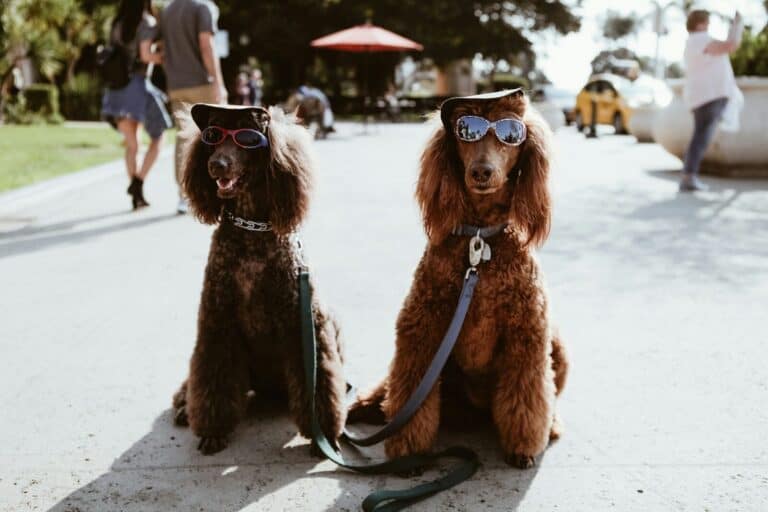
Poodle
About the Breed
The Poodle is one of the most intelligent, versatile, and recognizable dog breeds in the world. Known for its curly coat, athletic ability, trainability, and elegant appearance, this breed combines beauty with remarkable working capability. Although many people associate these dogs primarily with grooming styles and show rings, they were originally developed as serious working retrievers with impressive endurance and intelligence.
This breed exists in three officially recognized sizes: Standard, Miniature, and Toy. Despite size differences, all varieties share many of the same core characteristics, including intelligence, loyalty, trainability, athleticism, and strong companionship qualities.
One of the defining features of this breed is adaptability. These dogs can excel in a wide variety of environments and activities when properly trained and socialized. Many individuals thrive in family homes, performance sports, therapy work, service roles, obedience competitions, hunting activities, and advanced training programs.
Another major characteristic is emotional intelligence. Many individuals become deeply connected to their families and are highly aware of human behavior, emotions, and routines. Because of this sensitivity, these dogs often respond especially well to positive interaction and consistent structure.
This breed is frequently described as intelligent, affectionate, athletic, elegant, trainable, energetic, loyal, and highly adaptable.
Although often associated with luxury or refinement, these dogs are active and mentally engaged companions that generally require far more stimulation than many people expect. Without enough activity, training, and interaction, boredom and frustration may develop.
History
The Poodle has a long and somewhat debated history, though the breed is most commonly associated with both Germany and France. Early ancestors were developed primarily as water retrievers, especially for retrieving waterfowl during hunting activities.
The name is believed to originate from the German word “Pudel” or “Pudelin,” referring to splashing in water. This reflects the breed’s strong historical connection to swimming and water work.
Although Germany played a major role in early development, France later embraced the breed extensively, and the breed eventually became strongly associated with French culture and elegance.
Historically, these dogs were highly valued because of:
Intelligence
Swimming ability
Trainability
Athleticism
Retrieving instincts
Adaptability
The dense curly coat helped protect the dog from cold water during retrieving work. Traditional grooming patterns actually originated for practical purposes rather than decoration. Hunters clipped certain areas to improve swimming efficiency while leaving hair around joints and vital organs for warmth and protection.
Over time, smaller varieties were developed for companionship and urban living while maintaining the intelligence and personality associated with the larger working dogs.
Today, these dogs continue to excel in:
Obedience
Agility
Therapy work
Service work
Hunting
Dock diving
Trick training
Canine sports
Family companionship
Their combination of intelligence and versatility remains one of the breed’s defining strengths.
Height
Height varies significantly depending on variety.
Standard variety generally stands over 15 inches tall at the shoulder.
Miniature variety generally stands approximately 10 to 15 inches tall.
Toy variety generally stands under 10 inches tall.
Proper structure should appear balanced, athletic, elegant, and proportionate regardless of size.
Weight
Weight varies depending on size variety and overall structure.
Standards often weigh approximately 40 to 70 pounds.
Miniatures generally weigh approximately 10 to 20 pounds.
Toys usually weigh approximately 4 to 8 pounds.
Healthy body condition is especially important because excess weight may place unnecessary stress on joints and reduce mobility.
These dogs should appear agile, athletic, and physically capable rather than fragile or overweight.
Life Expectancy
Life expectancy varies somewhat depending on size.
Smaller varieties often live approximately 13 to 16 years or longer.
Larger individuals generally average approximately 10 to 14 years.
With proper care, many remain active and mentally engaged well into their senior years.
Preventative veterinary care, regular exercise, proper nutrition, dental maintenance, and responsible breeding all contribute significantly to longevity and quality of life.
Overall Health
This breed is generally considered relatively healthy when responsibly bred, though several inherited health concerns may still occur.
Potential health concerns may include:
Hip dysplasia
Progressive retinal atrophy
Addison’s disease
Sebaceous adenitis
Bloat
Epilepsy
Patellar luxation
Heart disease
Eye disorders
Thyroid disease
Larger individuals may be more vulnerable to orthopedic disease and gastric dilatation-volvulus, commonly known as bloat.
Smaller varieties may be more prone to dental disease and orthopedic concerns associated with toy breeds.
Because the coat continues growing, proper skin and coat maintenance are also important throughout life.
Health Testing They Should Have
Responsible breeders should prioritize extensive health testing before breeding.
Recommended evaluations may include:
Hip evaluations
Eye examinations
Cardiac screening
DNA testing relevant to the breed
Thyroid evaluations
Structural evaluations
Temperament assessments
Breeding dogs should demonstrate:
Stable temperament
Healthy movement
Strong working ability
Proper structure
Overall physical health
Potential buyers should always ask breeders about health testing performed on parent dogs and request documentation whenever possible.
Breed Traits and Characteristics
This breed is known for combining intelligence, trainability, affection, and athleticism.
Common personality traits include:
Curiosity
Affection
Trainability
Alertness
Playfulness
Social behavior
Athletic ability
Loyalty
Many individuals become deeply attached to family members and strongly prefer companionship over prolonged isolation.
These dogs often enjoy participating in:
Training sessions
Games
Outdoor adventures
Swimming
Learning activities
Interactive routines
Because of their intelligence, mental stimulation is extremely important for maintaining balanced behavior.
Regular opportunities for:
Problem-solving
Socialization
Exercise
Training
Interactive toys
Purposeful activities
help support emotional well-being and healthy behavior.
Without enough stimulation, boredom and frustration may contribute to excessive barking, anxiety, destructive behavior, or hyperactivity.
Temperament Ratings
Affectionate with family: 10/10
Good with young children: 9/10
Good with other dogs: 8/10
Shedding level: 1/10
Watchdog/protective nature: 5/10
Energy level: 8/10
Grooming frequency: 10/10
Drooling level: 1/10
Coat Type
This breed has a dense, curly, continuously growing coat.
The coat is often considered lower shedding compared to many breeds, though grooming maintenance is extensive.
Routine grooming generally includes:
Frequent brushing
Professional grooming
Regular trimming
Ear cleaning
Nail trimming
Dental care
Without consistent maintenance, mats and tangles may develop quickly, especially in curly or dense coats.
The coat may vary slightly in texture depending on genetics and variety, though proper texture remains an important breed characteristic.
Colors
This breed comes in a wide range of colors.
Common colors include:
Black
White
Apricot
Cream
Silver
Blue
Brown
Red
Cafe-au-lait
Some individuals may lighten or change color slightly as they mature.
Markings and Patterns
Most individuals display solid coloring, though some lines may produce abstract markings, phantom patterns, parti-color coats, or sable shading depending on genetics.
Balanced appearance, coat quality, and elegant structure are strongly valued within breed standards.
Breed Standard
Breed standards emphasize a dog that is intelligent, athletic, elegant, and balanced.
Responsible breeders should prioritize:
Stable temperament
Healthy movement
Working ability
Proper structure
Correct coat texture
Overall health
Movement should appear smooth, coordinated, athletic, and effortless.
Exercise Needs
These dogs require regular physical activity and mental stimulation to remain healthy and balanced.
Most individuals benefit from:
Daily walks
Structured play
Training sessions
Swimming
Outdoor adventures
Interactive games
Puzzle toys
Although adaptable, these dogs are generally not ideal for highly sedentary households.
Regular exercise helps support healthy behavior, emotional balance, and physical conditioning.
Without enough activity and stimulation, frustration and destructive behaviors may develop.
Training Needs
This breed is widely recognized as one of the most intelligent and trainable dog breeds in the world.
Training should begin early and include:
Socialization
Basic obedience
Leash manners
Exposure to different environments
Confidence-building experiences
Positive reinforcement methods usually produce the best results.
These dogs often excel in:
Obedience
Agility
Service work
Therapy work
Dock diving
Retrieving sports
Advanced training
Because of their intelligence and emotional sensitivity, harsh correction is generally unnecessary and may negatively affect confidence and trust.
Consistency, patience, and positive interaction usually produce outstanding results.
Grooming Requirements
Grooming maintenance is a major responsibility for owners because the coat grows continuously.
Routine care generally includes:
Frequent brushing
Professional grooming
Regular trimming
Ear cleaning
Nail trimming
Dental care
Without proper maintenance, severe matting and skin irritation may occur.
Professional grooming appointments are often necessary throughout life.
Many owners choose practical pet trims for easier maintenance, while others prefer traditional breed-specific styles.
Living Environment
These dogs adapt well to many living situations when companionship and stimulation needs are consistently met.
They often do well in:
Family homes
Apartments with active owners
Suburban households
Urban environments
Athletic lifestyles
Multi-pet homes
Because of their social personalities, prolonged isolation is generally not ideal.
These dogs thrive best when included in family life and daily activities.
Compatibility With Children and Other Pets
Many individuals are affectionate and social with family members and often do very well with children and other pets when properly socialized.
They are frequently:
Friendly
Interactive
Playful
Social
Loving
Because of their intelligence and emotional awareness, many develop strong relationships with both people and animals.
Early socialization helps encourage balanced and confident behavior around people and pets.
Common Misconceptions
One common misconception is that these dogs are delicate decorative companions without serious athletic or working ability.
In reality, this breed was originally developed for physically demanding retrieving work and remains highly athletic and trainable.
Another misconception is that lower shedding automatically means low maintenance. While shedding may be minimal, grooming responsibilities are often extensive.
Some owners are also surprised by how energetic and mentally active these dogs can become.
Intelligence and Working Ability
This breed is widely respected for exceptional intelligence and trainability.
Many individuals learn commands quickly and often excel in advanced training and problem-solving activities.
These dogs regularly perform successfully in:
Obedience competitions
Service work
Therapy programs
Canine sports
Search work
Performance events
Advanced trick training
Mental stimulation is especially important because intelligent dogs may become frustrated without enough engagement and structure.
Emotional Sensitivity and Bonding
These dogs often form very strong emotional attachments to family members and may become highly attuned to human emotions and routines.
Many individuals strongly prefer companionship and may struggle emotionally if isolated for long periods.
Because of their sensitivity and social nature, these dogs generally respond best to calm leadership, positive interaction, and consistent routines.
Harsh handling or chaotic environments may negatively affect confidence and emotional well-being.
Swimming Ability and Athleticism
One of the breed’s most unique characteristics is natural athleticism and swimming ability.
Many individuals instinctively enjoy water and display strong retrieving instincts inherited from their historical working background.
Their intelligence and athletic structure allow them to excel in many physically demanding activities while remaining elegant and coordinated.
Regular physical activity helps support long-term health and emotional balance.
Final Thoughts
The Poodle combines intelligence, athleticism, elegance, trainability, and deep companionship into one of the world’s most versatile dog breeds. Originally developed as a hardworking water retriever, this breed continues to stand out because of its remarkable intelligence, adaptability, emotional awareness, and strong bond with people.
Although highly affectionate and social, these dogs also require substantial mental stimulation, exercise, grooming, training, and interaction to truly thrive. Their intelligence and emotional sensitivity make them best suited for homes where they can actively participate in everyday life.
For owners prepared to meet the emotional, physical, and grooming needs of this remarkable breed, these dogs can become extraordinarily loving, entertaining, and rewarding lifelong companions.
Breed Resources
AKC Poodle page: https://www.akc.org/dog-breeds/poodle/
Poodle Club of America: https://poodleclubofamerica.org/
UKC breed reference: https://www.ukcdogs.com/poodle