
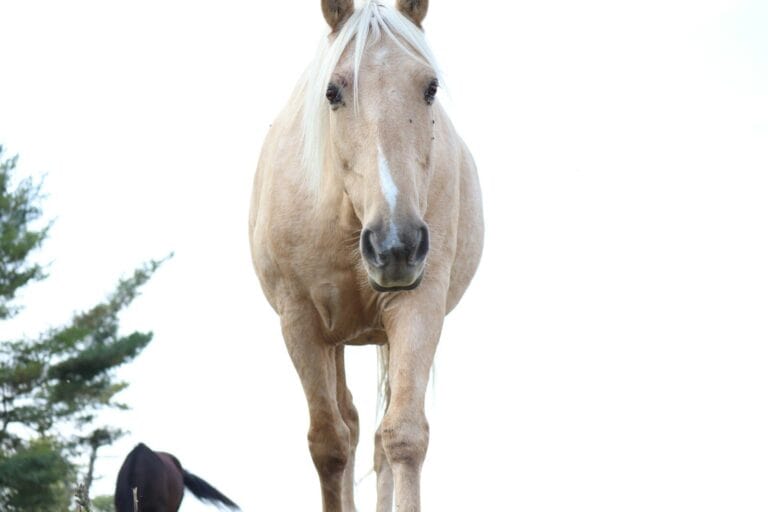
Best Horses for Beginners
Starting with the right horse can make a huge difference in confidence, safety, and overall enjoyment. Finding the best horses for beginners often comes down to temperament, training, and experience rather than breed alone, but some breeds and types are generally considered more beginner-friendly because of their calm nature, versatility, and willingness to work with people.
A good beginner horse is usually patient, predictable, forgiving, and easier to handle both on the ground and under saddle. Many first-time owners also do best with mature, experienced horses rather than young or highly energetic horses that require advanced riding skills.
American Quarter Horse
One of the most popular beginner horses in the United States. Known for a calm temperament, athleticism, and versatility. They are commonly used for trail riding, ranch work, western riding, and family horses. Many are level-headed and easy to train, making them a common recommendation for first-time owners.
Paint Horse
Paint Horses often share many of the same traits as Quarter Horses because of their close bloodlines. They are typically intelligent, people-oriented, and versatile. Their colorful coat patterns also make them especially popular with beginner riders and families.
Morgan Horse
Morgan Horse
Morgan Horses are known for their friendly personalities and willingness to work with humans. They are versatile horses that can participate in trail riding, pleasure riding, driving, and light competition. Many beginners appreciate their manageable size and affectionate nature.
Haflinger
Haflinger
Haflingers are sturdy, compact horses with calm and gentle temperaments. They are often considered excellent family horses and are commonly used for trail riding and recreational riding. Their patient personalities can make them a good match for inexperienced owners.
Icelandic Horse
Icelandic Horse
Known for their smooth gait, durability, and generally calm demeanor. Icelandic Horses are smaller than many traditional riding horses but are extremely strong and capable. Their steady nature and comfortable ride often appeal to beginners.
Tennessee Walking Horse
Tennessee Walking Horse
Famous for their naturally smooth gait and comfortable ride. Many Tennessee Walking Horses are calm, relaxed, and suitable for trail riding. Their smooth movement can be especially appealing for riders who want a more comfortable riding experience.
Appaloosa
Appaloosa
Appaloosas are versatile horses known for their intelligence and distinctive spotted coats. Many have calm personalities and are commonly used for trail riding, western disciplines, and recreational riding. Individual temperament varies, but many make dependable beginner mounts.
Draft Crosses
Draft horse
Draft crosses combine the calm nature of draft horses with the athletic ability of lighter riding breeds. Many beginner riders appreciate their steady personalities and forgiving attitudes. These horses are often used for trail riding and pleasure riding.
What Beginners Should Look For
When searching for the best horses for beginners, temperament and training are usually far more important than breed alone. A calm, older horse with experience is often a much better choice for first-time owners than a young, high-energy horse from an ideal breed.
Look for:
- Calm and patient temperament
- Good ground manners
- Consistent training
- Trail or lesson experience
- Healthy movement and soundness
- A horse matched to your riding goals
Breeds Beginners May Want to Approach Carefully
Some breeds and bloodlines are naturally more energetic, sensitive, or demanding. That does not make them “bad” horses, but they may require more experienced handling and training.
Examples can include:
- Thoroughbred
- Arabian Horse
- Belgian Warmblood
- Friesian
Many individuals from these breeds can still be excellent beginner horses, especially older, well-trained animals, but they are often more sensitive or energetic than typical beginner mounts.
Cost of Owning a Horse
The cost of owning a horse can vary greatly depending on location, boarding arrangements, training needs, and the type of horse you choose. While the purchase price is important, the ongoing monthly and yearly expenses are often much higher over time.
Purchase Price
Beginner-friendly horses can range anywhere from a few thousand dollars to well over $20,000 depending on breed, training, age, bloodlines, and competition experience. Many safe, experienced trail or pleasure horses commonly fall somewhere between $3,000 and $10,000, though prices may vary by region and market demand.
Boarding Costs
If you do not keep the horse on your own property, boarding is usually the largest ongoing expense. Full-care boarding often includes feeding, stall cleaning, turnout, and basic daily care.
Average boarding costs may range from:
- Pasture board: $150–$500 per month
- Full-care board: $500–$1,500+ per month
Premium training barns or competition facilities may cost significantly more.
Feed and Hay
Horses require consistent nutrition, including hay, grain, and supplements when needed. Costs can increase during winter months or in areas where hay prices are higher.
Many owners spend approximately $100–$400+ monthly on feed and hay alone.
Veterinary Care
Routine veterinary care includes vaccinations, deworming, dental care, and wellness exams. Emergency care can become very expensive unexpectedly.
Annual routine veterinary costs commonly range from several hundred to several thousand dollars depending on the horse’s health and needs.
Farrier Costs
Most horses need hoof trimming or shoeing every 6–8 weeks.
Typical costs:
- Trim: $40–$80
- Full shoeing: $100–$300+
Additional Expenses
Other common costs include:
- Tack and riding equipment
- Lessons and training
- Insurance
- Supplements
- Blankets and grooming supplies
- Trailer and transportation expenses
Final Thoughts
For first-time horse owners and riders, choosing one of the best horses for beginners is far more important than choosing the most impressive breed or appearance. A beginner-friendly horse should help build confidence, encourage learning, and provide a safe, enjoyable experience both on the ground and under saddle. Temperament, training, patience, and consistency are often more important than bloodlines or color.
Many beginners do best with mature horses that already have experience handling different riders and situations. Older, well-trained horses are often more forgiving when mistakes happen and are less likely to react unpredictably. A calm personality can make learning much less stressful and can help new owners develop better riding and handling skills over time.
Some of the best horses for beginners commonly include the American Quarter Horse, Morgan Horse, American Paint Horse, and Haflinger because they are often known for steady temperaments, versatility, and willingness to work with people. However, every horse is an individual, and proper evaluation is always important before purchasing.
New horse owners should also remember that owning one of the best beginner horses involves far more than riding. Daily care, veterinary expenses, farrier work, nutrition, training, and safe housing all play major roles in responsible ownership. Taking lessons, working with experienced trainers, and spending time around horses before purchasing can help beginners make more informed decisions.
The best horses for beginners are usually those that match the rider’s goals, confidence level, and experience. A dependable horse with a calm mind and good training can become an incredible teacher, trusted partner, and lifelong companion while helping a new rider build skills safely and confidently.
Recourses
https://www.aqha.com/discover-quarter-horses