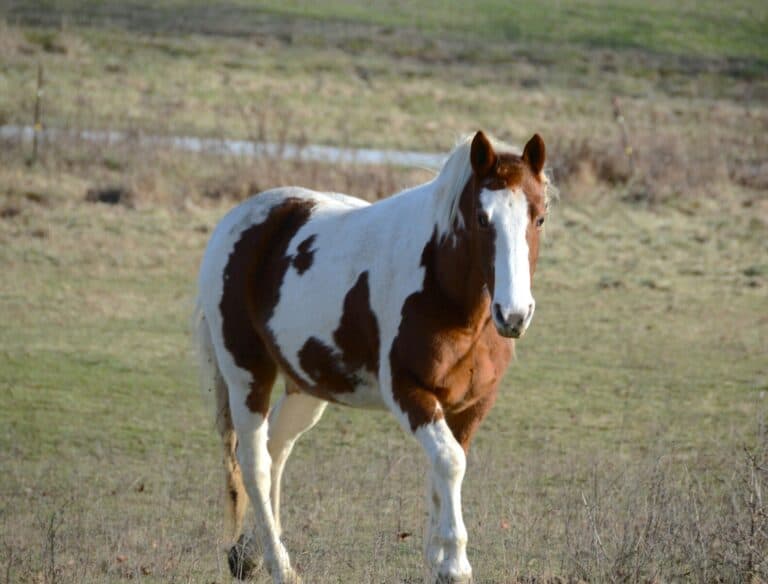
American Paint Horse
About the Breed
The American Paint Horse combines the muscular build and athletic ability of the American Quarter Horse with striking white spotting patterns. Known for their intelligence, versatility, and eye-catching appearance, Paint Horses are among the most popular breeds in North America.
Paint Horses excel in ranch work, trail riding, western pleasure, barrel racing, reining, cutting, roping, and many English disciplines. Their calm, willing nature and broad range of abilities make them suitable for beginners, competitive riders, and families alike.
Each Paint Horse has a unique color pattern, but the breed is valued just as much for temperament, soundness, and athleticism as it is for appearance.
History
The American Paint Horse traces back to colorful Spanish horses brought to the Americas by early explorers. These spotted horses were prized by Native Americans and later by cowboys for their hardiness, intelligence, and natural cattle-working ability.
Over time, these horses were crossed with Quarter Horses and Thoroughbreds to refine athletic ability while preserving distinctive color patterns.
The American Paint Horse Association (APHA) was established in 1965 and is now one of the largest equine registries in the world.
Height
Most American Paint Horses stand about 14.2–16 hands tall.
Weight
Most weigh approximately 950–1,200 pounds.
Life Expectancy
With proper care, Paint Horses commonly live 25–30 years or longer.
Overall Health
Paint Horses are generally hardy and athletic, but they share many inherited conditions found in Quarter Horse bloodlines.
Common concerns include:
Lethal White Overo Syndrome (OLWS/LWO)
Hyperkalemic Periodic Paralysis (HYPP)
Hereditary Equine Regional Dermal Asthenia (HERDA)
Glycogen Branching Enzyme Deficiency (GBED)
Polysaccharide Storage Myopathy Type 1 (PSSM1)
Malignant Hyperthermia (MH)
Sunburn on pink skin
Because overo color genetics can produce lethal white foals when two carriers are bred together, genetic testing is especially important.
Health Testing They Should Have
DNA parentage verification
Frame Overo (LWO/OLWS) testing
HYPP testing
HERDA testing
GBED testing
PSSM1 testing
MH testing
Pre-breeding soundness and reproductive examination
Conformation and movement evaluation
Breed Traits and Characteristics
American Paint Horses are intelligent, calm, and highly trainable. They are often described as:
Friendly and people-oriented
Willing and cooperative
Athletic and agile
Versatile and dependable
Visually striking
Many inherit excellent “cow sense,” making them exceptional ranch and performance horses.
Temperament Ratings
Affectionate with handlers: 9/10
Good for beginners: 9/10
Trainability: 10/10
Athletic ability: 9/10
Energy level: 6/10
Versatility: 10/10
Maintenance level: 5/10
Hardiness: 9/10
Coat Type
Short, sleek coat typical of most horses.
Colors
Paint Horses can be bay, sorrel, chestnut, black, brown, gray, palomino, buckskin, dun, grulla, roan, and many other colors.
Markings
Distinctive spotting patterns include:
Tobiano
Overo
Tovero
Sabino
Splash White
Each Paint Horse has a unique and highly individualized pattern.
Breed Standard Snapshot
The American Paint Horse should display balanced stock-horse conformation with:
A muscular build
Short, strong back
Deep chest
Powerful hindquarters
Strong legs and good feet
Distinctive white spotting patterns
The overall impression should be one of athleticism, usefulness, and visual appeal.
Best For
Ranch work
Trail riding
Barrel racing
Reining
Cutting
Roping
Western pleasure
Hunter under saddle
Family ownership
Exercise Needs
Paint Horses benefit from regular turnout, consistent riding, and conditioning that matches their intended discipline and workload.
Training Needs
Paint Horses are intelligent and eager to learn. They respond exceptionally well to fair, consistent training and clear communication.
Special Care Considerations
Perform full genetic testing before breeding
Protect pink skin from excessive sun exposure
Monitor body condition
Maintain regular hoof, dental, and veterinary care
Keep detailed health and breeding records
What Buyers Should Look For
When purchasing an American Paint Horse, buyers should evaluate:
Temperament and trainability
Balanced conformation
Sound feet and legs
Complete genetic testing results
Registration papers
Health and performance history
Suitability for the intended discipline
Breed Resources
American Paint Horse Association (APHA)
UC Davis Veterinary Genetics Laboratory
AQHA Genetic Disease Resources