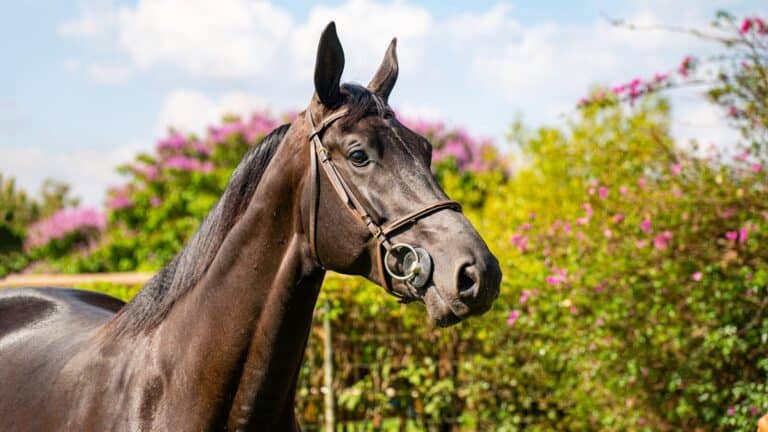
Thoroughbred
About the Breed
The Thoroughbred is one of the most influential and athletic horse breeds in the world. Developed primarily for racing, the breed is renowned for exceptional speed, endurance, courage, and refinement.
Although they are best known for flat racing, they are also highly successful in eventing, show jumping, dressage, fox hunting, polo, and pleasure riding. Many retired racehorses transition into second careers as outstanding sport horses and riding companions.
These horses are intelligent, sensitive, and energetic. They are often favored by riders seeking a responsive, athletic horse with tremendous heart and competitive spirit.
History
The Thoroughbred was developed in England during the 17th and 18th centuries by crossing native mares with three foundation stallions:
Byerley Turk
Darley Arabian
Godolphin Arabian
Every registered Thoroughbred traces back to these influential sires.
The breed standard was formalized through the The Jockey Club, which maintains pedigree and registration records. They spread worldwide and remain the dominant breed in horse racing.
Height
Most Thoroughbreds stand about 15–17 hands tall.
Weight
Most weigh approximately 1,000–1,200 pounds.
Life Expectancy
With proper care, They commonly live 25–35 years.
Overall Health
They are generally hardy athletes, but they can be prone to both inherited and performance-related health issues.
Common concerns include:
Tendon and ligament injuries
Stress fractures
Gastric ulcers
Exercise-induced pulmonary hemorrhage (EIPH)
Laminitis
Arthritis and joint wear
Navicular syndrome
Many of these issues are associated with the demands of racing and high-performance work rather than the breed itself.
Health Testing They Should Have
Jockey Club pedigree verification
Pre-breeding soundness examination
Reproductive evaluation
Conformation and movement assessment
Veterinary review of injury and performance history
Optional genetic testing when indicated by bloodline
Breed Traits and Characteristics
This breed is intelligent, athletic, and highly responsive. They are often described as:
Sensitive and alert
Courageous and competitive
Fast and athletic
Trainable and willing
Elegant and refined
Their temperament can range from calm and amateur-friendly to highly energetic, depending on the individual horse and training.
Temperament Ratings
Affectionate with handlers: 8/10
Good for beginners: 5/10
Trainability: 9/10
Athletic ability: 10/10
Energy level: 9/10
Versatility: 9/10
Maintenance level: 7/10
Hardiness: 7/10
Coat Type
Short, sleek coat typical of most horses.
Colors
Common colors include bay, chestnut, dark bay, brown, black, and gray.
Markings
White facial and leg markings are common, including stars, blazes, socks, and stockings.
Breed Standard Snapshot
The Thoroughbred should appear elegant, balanced, and athletic with:
A refined head
Long, well-set neck
Sloping shoulder
Deep chest
Strong hindquarters
Long, efficient stride
The overall impression should be one of speed, stamina, and athletic grace.
Best For
Horse racing
Eventing
Show jumping
Dressage
Fox hunting
Polo
Off-track retraining
Competitive riding
Exercise Needs
Thoroughbreds require regular exercise, turnout, and structured conditioning to maintain both physical and mental health.
Training Needs
Thoroughbreds are intelligent and quick learners. They respond best to patient, consistent handling and clear communication.
Special Care Considerations
Monitor for ulcers and stress-related conditions
Maintain a forage-based diet
Provide ample turnout
Use gradual conditioning programs
Schedule routine soundness evaluations
Support off-track horses during retraining
What Buyers Should Look For
When purchasing a Thoroughbred, buyers should evaluate:
Conformation and movement
Temperament and rideability
Soundness and injury history
Pedigree and registration
Training and competition records
Suitability for the intended discipline
Final Thoughts
Warmblood horses are prized for their athleticism, trainable temperament, and versatility. Developed specifically for equestrian sport, they excel in disciplines such as dressage, show jumping, and eventing while also making rewarding partners for dedicated amateurs and professionals alike.
Because Warmbloods are bred for movement, soundness, and rideability, they are often an excellent choice for riders seeking a competitive horse with a willing attitude. Individual temperament, training, and bloodlines can vary, so evaluating the specific horse and its level of experience is essential.
When purchased from a reputable breeder or trainer and matched appropriately to the rider’s goals and skill level, a Warmblood can become a long-term partner capable of success from the amateur arena to the highest levels of international competition.
Breed Resources