Arabian Horse Breed Guide
About the Breed
Horse enthusiasts admire this breed for its intelligence, endurance, beauty, and strong bond with humans.
The Arabian horse is one of the oldest and most influential horse breeds in the world. Originating from the Arabian Peninsula, this breed is prized for its beauty, endurance, intelligence, and distinctive appearance.
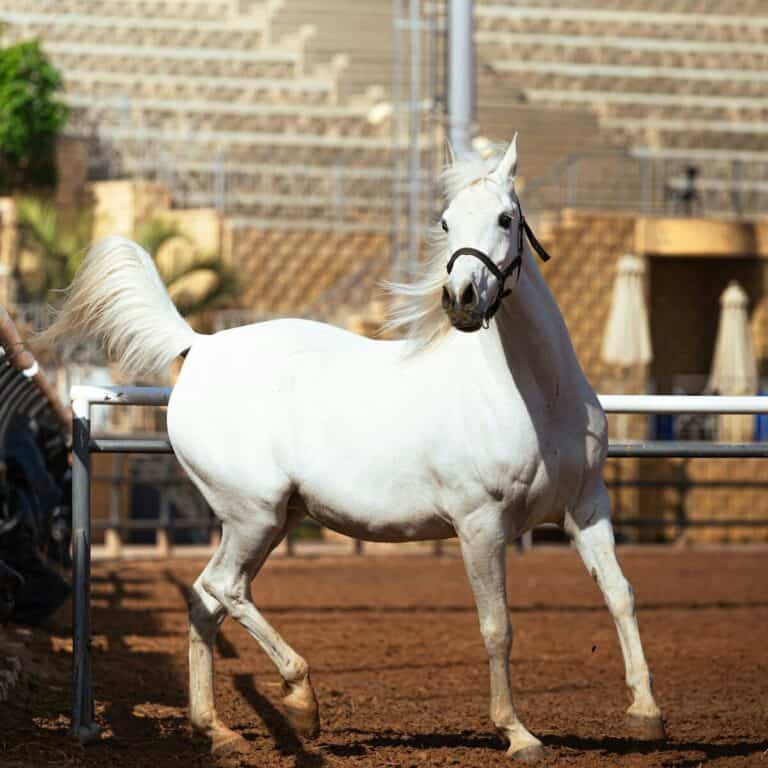
Arabians are known for their dished face, arched neck, high tail carriage, large expressive eyes, and refined build. These hot-blooded horses have a strong people-oriented personality, making them loyal companions when handled with respect and consistency.
Arabians excel in endurance riding, dressage, show competition, competitive trail, and many performance disciplines. Their stamina, soundness, and close connection with people have made this breed one of the most respected in the horse world.
History
This breed developed among Bedouin tribes who bred selectively for war, riding, endurance, and survival in harsh desert conditions. Horses were often considered family treasures and were sometimes brought into tents for protection, which helped foster their cooperative and people-focused nature.
Arabians trace back thousands of years to the Arabian Peninsula, where bloodlines were carefully preserved through oral histories and family strains. The breed later spread globally through war, trade, and gifts to European royalty.
Today, this horse has influenced many modern breeds, including the Thoroughbred, Quarter Horse, and numerous other light horse breeds.
Height and Size
Arabian horses typically stand about 14.1 to 15.2 hands tall, though some may reach 16 hands.
Most weigh approximately 800 to 1,000 pounds.
They have a refined, elegant build rather than heavy muscling. Their compact frame often includes one fewer lumbar vertebra than many other breeds, contributing to flexibility and a shorter back.
Lifespan
These horses often live 25 to 30 years or longer, with some reaching their late 30s or even 40 years with excellent care.
Their hardiness, efficient metabolism, and strong constitution contribute to their longevity when properly managed.
Color
Common colors include bay, chestnut, gray, black, and roan.
White markings such as stars, strips, blazes, socks, and stockings appear frequently. The breed shows considerable variety while maintaining a refined and recognizable appearance.
Temperament and Personality
These horses are intelligent, sensitive, energetic, loyal, and deeply people-oriented. They form strong bonds with their handlers and often thrive on consistent interaction.
Properly trained individuals are willing and quick to learn. Their sensitivity makes them unsuitable for harsh handling but excellent for riders who appreciate responsiveness and communication.
Best For
This breed excels in endurance riding, competitive trail, dressage, jumping, reining, cutting, driving, halter, show classes, and recreational riding.
They are ideal for endurance enthusiasts, performance riders seeking sensitivity, and owners who want a beautiful, loyal, and highly interactive horse.
Conformation
They feature a wedge-shaped head, large expressive eyes, dished profile, arched neck, level croup, high-set tail, and refined legs. They show smooth muscling without excessive bulk.
Their floating trot, elasticity, and elevated tail carriage distinguish them from many other breeds. Sound feet and legs are especially important because they are often used for endurance and long-distance work.
Health and Care
These horses need quality forage, fresh water, regular grooming, hoof care, dental work, parasite control, vaccinations, and routine veterinary care.
Their refinement requires attention to coat, mane, tail, and skin health. Daily interaction and turnout help prevent boredom-related behaviors and support mental well-being.
For general ownership considerations, review the horse ownership guide.
Diet and Exercise
A forage-based diet is best for most individuals, with concentrates added only as needed for age, workload, and body condition. Many maintain weight well and may thrive on pasture or hay with minimal supplementation.
Regular turnout and riding help maintain fitness, mental health, and coat condition. Endurance or performance horses need gradual conditioning plans that build stamina without overloading joints, tendons, or muscles.
Common Health Issues
This breed can be affected by several inherited conditions, including Severe Combined Immunodeficiency (SCID), Cerebellar Abiotrophy (CA), Lavender Foal Syndrome (LFS), Occipitoatlantoaxial Malformation (OAAM), and metabolic risks such as equine metabolic syndrome and laminitis predisposition.
Some individuals may also be sensitive to stress, gastric ulcers, or abrupt management changes, making consistent care especially important.
Health Testing Breeders Should Perform
Responsible breeders should perform DNA parentage verification and breed-specific genetic testing before breeding.
Important tests may include SCID testing, Cerebellar Abiotrophy testing, Lavender Foal Syndrome testing, OAAM testing when appropriate, and WFFS testing if relevant to the bloodline or crossbreeding program.
Breeders should also complete soundness evaluations, reproductive examinations, conformation assessments, and careful recordkeeping for temperament, performance, and family health history.
Recommended Breeder Checklist
DNA parentage verification, SCID genetic testing, Cerebellar Abiotrophy genetic testing, Lavender Foal Syndrome genetic testing, OAAM testing when appropriate, conformation evaluation for type and soundness, pre-breeding veterinary soundness examination, reproductive evaluation of both mare and stallion, and recordkeeping for temperament, fertility, performance, and family health history.
What Buyers Should Look For
Buyers should look for a horse with correct conformation, clear movement, good feet, and a trainable temperament that matches the buyer’s experience level.
For breeding prospects, buyers should request copies of genetic test results, registration records, veterinary history, and information about inherited conditions within the bloodline.
If you are currently searching, browse horses for sale and connect directly with breeders and sellers.
A reputable breeder should be transparent about health testing, temperament, strengths, and limitations within the breeding program.
Helpful Links