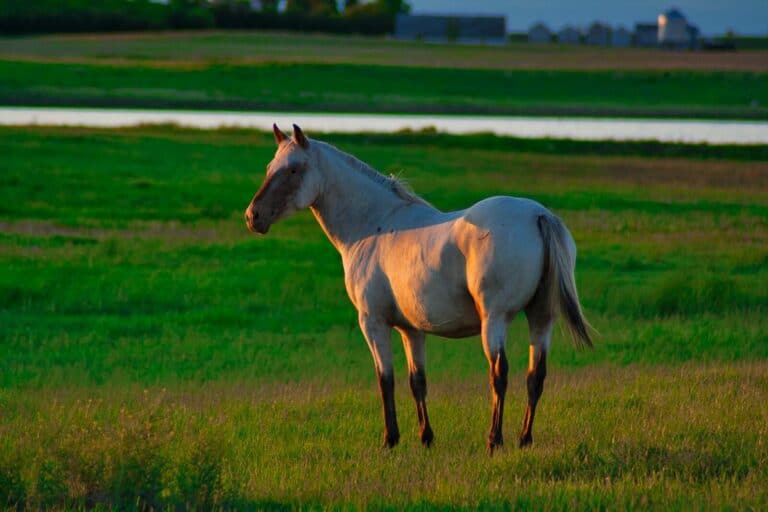
American Quarter Horse
About the Breed
The American Quarter Horse is one of the most popular and versatile horse breeds in the world. Known for its calm temperament, muscular build, and explosive speed over short distances, the breed is especially valued for ranch work, western performance events, and family riding.
Quarter Horses are famous for their ability to sprint a quarter mile faster than any other breed, which is where the breed gets its name. Today, they are best known as dependable all-around horses that excel in everything from trail riding and ranch work to barrel racing, reining, cutting, roping, and western pleasure.
Their willingness to work, strong trainability, and sensible nature make them a favorite among beginners, experienced riders, and professional trainers alike.
History
The American Quarter Horse developed in colonial America through the crossing of English horses with Spanish and Native American stock. Over time, breeders selected for speed, agility, “cow sense,” and a practical disposition.
These horses became deeply associated with life on the American frontier and later the cattle industry of the West.
The American Quarter Horse Association (AQHA) was established in 1940 to preserve and register the breed. Today, the Quarter Horse is one of the most heavily registered horse breeds in the world.
Height
Most American Quarter Horses stand about 14–16 hands tall.
Weight
Most weigh approximately 900–1,200 pounds.
Life Expectancy
With proper care, Quarter Horses commonly live 25–30 years or longer.
Overall Health
Quarter Horses are generally hardy and durable, but they are associated with several important inherited conditions.
Common concerns include:
Hyperkalemic Periodic Paralysis (HYPP)
Hereditary Equine Regional Dermal Asthenia (HERDA)
Glycogen Branching Enzyme Deficiency (GBED)
Polysaccharide Storage Myopathy Type 1 (PSSM1)
Malignant Hyperthermia (MH)
Navicular syndrome
Obesity and metabolic issues
Because these inherited conditions are well known in the breed, responsible breeders routinely perform genetic testing and disclose results.
Health Testing They Should Have
DNA parentage verification
HYPP testing
HERDA testing
GBED testing
PSSM1 testing
MH testing
Pre-breeding soundness and reproductive examination
Conformation and movement evaluation
Breed Traits and Characteristics
Quarter Horses are intelligent, calm, and highly trainable. They are often described as:
Dependable and sensible
Athletic and agile
Willing and cooperative
People-oriented
Versatile and adaptable
Many lines possess exceptional “cow sense,” which is a natural instinct for working cattle.
Temperament Ratings
Affectionate with handlers: 9/10
Good for beginners: 9/10
Trainability: 10/10
Athletic ability: 9/10
Energy level: 6/10
Versatility: 10/10
Maintenance level: 5/10
Hardiness: 9/10
Coat Type
Short, sleek coat typical of most horses.
Colors
Quarter Horses come in a wide variety of colors, including sorrel, chestnut, bay, black, brown, gray, palomino, buckskin, dun, grulla, and many others.
Markings
Common markings include stars, strips, blazes, socks, and stockings.
Breed Standard Snapshot
The American Quarter Horse should appear compact, balanced, and powerfully muscled with:
A short, strong back
Deep chest
Broad forehead
Heavy muscling over the hindquarters
Strong legs and good feet
The overall impression should be one of athleticism, strength, and practical usefulness.
Best For
Ranch work
Trail riding
Barrel racing
Reining
Cutting
Roping
Western pleasure
Family ownership
Therapeutic riding
Exercise Needs
Quarter Horses benefit from regular turnout, consistent riding, and conditioning that matches their workload and discipline.
Training Needs
Quarter Horses are intelligent and eager to learn. They respond exceptionally well to consistent handling and clear, fair training methods.
Special Care Considerations
Monitor body weight carefully
Use forage-based nutrition
Maintain regular hoof and dental care
Perform genetic testing before breeding
Track soundness and performance records
What Buyers Should Look For
When purchasing a Quarter Horse, buyers should evaluate:
Temperament and trainability
Balanced conformation
Strong feet and legs
Genetic test results
Registration papers
Health and performance history
Suitability for the intended discipline
Breed Resources
American Quarter Horse Association (AQHA)