
Underrated Dog Breeds
Understanding Underrated Dog Breeds
When people begin searching for a dog, they often hear the same breed names repeatedly. Popular breeds tend to dominate advertisements, social media, movies, television, and online discussions. While many well-known breeds are wonderful companions, popularity can sometimes overshadow other incredible dogs that deserve just as much attention.
Some breeds quietly remain in the background despite having excellent temperaments, intelligence, versatility, and adaptability. These are often referred to as underrated breeds. They may not appear on the top “most popular” lists every year, but many of them offer qualities that rival — and sometimes exceed — more commonly chosen dogs.
Choosing an underrated breed can open the door to a unique and rewarding experience. Many of these dogs are loyal, trainable, affectionate, family-oriented, and highly capable in a variety of living situations. They may simply lack widespread exposure or have been overshadowed by trends that push certain breeds into the spotlight.
Understanding underrated breeds allows potential owners to look beyond popularity and focus instead on temperament, lifestyle compatibility, energy level, trainability, and overall fit.
What Makes a Breed “Underrated”
An underrated breed is not necessarily rare or uncommon. In many cases, these dogs have existed for generations and have long histories of working alongside humans as companions, hunters, herders, guardians, or sporting dogs.
The term “underrated” simply means the breed does not receive the level of recognition or appreciation it deserves.
Some underrated breeds are overlooked because:
- They are less visible in media and advertising
- They are mistaken for being difficult
- Grooming needs discourage some buyers
- More trendy breeds dominate public attention
- People simply do not know enough about them
Popularity often changes over time based on trends rather than the actual quality of the breed itself. Certain dogs become highly desirable after appearing in movies, social media trends, or celebrity culture, while other excellent breeds remain largely unnoticed.
This does not mean underrated breeds are inferior. In fact, many experienced dog owners intentionally seek them out because of their balanced temperaments, lower demand, and unique personalities.
Looking Beyond Trends
One of the biggest mistakes people make when choosing a dog is selecting a breed based entirely on popularity or appearance.
A dog that is trending online may not actually fit a person’s lifestyle, schedule, activity level, or experience. Meanwhile, a lesser-known breed may quietly offer exactly what that person truly needs in a companion.
Looking beyond trends allows future owners to focus on:
- Temperament
- Energy level
- Trainability
- Grooming requirements
- Size
- Health considerations
- Family compatibility
- Lifestyle match
Underrated breeds often surprise people once they spend time around them. Many owners discover these dogs are calmer, easier to manage, or more adaptable than they originally expected.
The Collie is one of the most recognizable yet surprisingly underrated family dogs today. Known historically for intelligence, loyalty, and gentleness, Collies were once extremely popular but are now less commonly seen compared to breeds like Golden Retrievers or Labradors.
Collies are highly people-oriented and often form strong bonds with their families. They are intelligent and eager to please, which makes them highly trainable. Many excel in obedience, therapy work, agility, and companionship.
They are also known for their sensitivity and awareness of human emotions, making them wonderful companions for families and children.
Despite their beautiful coats, many people overlook Collies because they assume grooming is too difficult. While regular brushing is important, many owners find the grooming manageable once incorporated into a routine.
The Standard Poodle is one of the most misunderstood breeds in the dog world. Because of elaborate show cuts and stereotypes, many people fail to realize just how athletic, intelligent, and versatile these dogs truly are.
Originally bred as water retrievers, Standard Poodles are highly capable working dogs with excellent trainability and strong problem-solving skills.
They often thrive in:
- Obedience
- Agility
- Hunting
- Service work
- Therapy work
- Advanced training
Their low-shedding coat also appeals to many allergy-sensitive households.
Unfortunately, the breed’s appearance sometimes causes people to overlook their true personality and abilities. In reality, Standard Poodles are often playful, loyal, active, and highly adaptable companions.
Whippet
Whippets are another breed frequently misunderstood. Many people assume they are extremely hyperactive because of their speed and athleticism, but Whippets are often surprisingly calm inside the home.
Known for their sleek appearance and racing ability, Whippets are gentle, affectionate, and quiet companions. They typically enjoy bursts of activity followed by long periods of relaxation.
This balance makes them well suited for many homes, including apartments or quieter households, provided they receive regular exercise opportunities.
Whippets are also known for being relatively low maintenance in terms of grooming due to their short coat.
Their calm indoor demeanor often surprises people who initially assume they require nonstop activity.
English Setter
English Setters are friendly, social, and affectionate sporting dogs with elegant appearances and gentle personalities.
These dogs are often overshadowed by more commonly chosen sporting breeds, but many owners consider them one of the most enjoyable family companions.
English Setters are typically:
- Friendly with people
- Good with children
- Social with other dogs
- Adaptable in active households
- Gentle and affectionate
Their feathered coat requires regular grooming, but many owners find their sweet personality more than worth the maintenance.
They tend to thrive in homes where they receive regular exercise, companionship, and interaction.
Flat-Coated Retriever
Flat-Coated Retrievers are sometimes described as dogs that never grow up emotionally. They are known for their joyful personalities, enthusiasm, and affectionate nature.
Although they share similarities with Golden Retrievers and Labradors, Flat-Coated Retrievers remain significantly less common.
These dogs are often:
- Outgoing
- Friendly
- Intelligent
- Social
- Energetic
- Eager to participate in family activities
Their playful attitude can continue well into adulthood, which many owners absolutely love.
Because they are less common, many people simply have never had the opportunity to meet one.
Keeshond
The Keeshond is a fluffy, companion-focused breed known for friendliness, alertness, and strong family attachment.
Historically used as watchdogs on barges in Europe, Keeshonden are highly people-oriented and thrive on companionship.
They are often described as:
- Affectionate
- Alert
- Intelligent
- Friendly
- Family-oriented
Despite their thick coat, they are not typically as difficult to maintain as many people assume with consistent brushing.
Keeshonden often do very well in homes where they can remain closely involved with their families.
Briard
The Briard is a loyal and protective herding breed with deep devotion to its family.
These dogs are intelligent, observant, and capable, often forming strong bonds with their owners. While they may be reserved with strangers, they are usually deeply affectionate with their family members.
Briards require:
- Training
- Socialization
- Consistency
- Mental stimulation
Because of their intelligence and protective instincts, they thrive best with owners who are willing to invest time into proper leadership and training.
Their shaggy appearance may seem intimidating to some people, but many Briard owners describe them as loving and deeply loyal companions.
Portuguese Water Dog
Portuguese Water Dogs gained increased attention in recent years but are still far less common than many other active breeds.
Originally bred to assist fishermen, these dogs are athletic, intelligent, and highly trainable.
They typically enjoy:
- Water activities
- Exercise
- Training
- Family interaction
- Outdoor adventures
Their low-shedding coat appeals to many owners, although grooming maintenance is necessary.
Portuguese Water Dogs often thrive in active households where they can participate in regular activities and mental stimulation.
Nova Scotia Duck Tolling Retriever
The Nova Scotia Duck Tolling Retriever, often called the “Toller,” is one of the smallest retriever breeds but also one of the most energetic and intelligent.
These dogs are highly trainable and excel in many sports and activities.
Tollers are often:
- Smart
- Athletic
- Focused
- Loyal
- Driven
- Playful
Despite their excellent qualities, many people are unfamiliar with the breed entirely.
Because they are highly active and intelligent, they do best with owners who can provide structure, exercise, and engagement.
American Eskimo Dog
The American Eskimo Dog is an alert, intelligent, and visually striking companion breed known for its fluffy white coat and expressive personality.
These dogs are often highly trainable and enjoy learning new tasks.
Many American Eskimo Dogs excel in:
- Obedience
- Trick training
- Agility
- Family companionship
They are often deeply attached to their families and enjoy being involved in daily life.
Because they are not as commonly discussed as other companion breeds, many people overlook them despite their excellent trainability and affectionate nature.
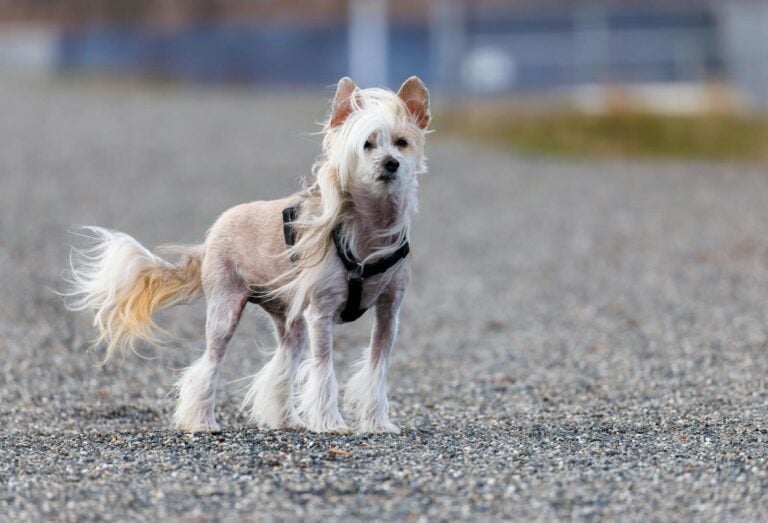
The Chinese Crested is one of the most unique-looking breeds in the dog world and is often underestimated because of its unusual appearance.
Known for both hairless and coated varieties, Chinese Cresteds are affectionate companion dogs with strong attachments to their owners.
They are often:
- Loving
- Sensitive
- Entertaining
- Loyal
- Low shedding
Hairless varieties require skin care and protection from extreme weather, which can discourage some people from considering the breed. However, many owners find them incredibly rewarding companions due to their affectionate and people-focused personalities.
Their unique appearance also tends to attract people looking for something different from more traditional breeds.
Why Underrated Breeds Can Be Great Choices
Underrated breeds often provide many advantages for the right owners.
Because they are less trendy, there may be:
- Less competition when searching
- More breeder availability
- Smaller waitlists
- Less overbreeding from popularity surges
In some cases, overly popular breeds experience irresponsible breeding due to high demand, which can lead to temperament or health concerns. Less trendy breeds sometimes avoid these issues because breeding programs remain more focused on preservation and quality.
Underrated breeds also allow owners to experience something unique and different from the most commonly seen dogs.
The Importance of Research
Even underrated breeds are not automatically perfect for everyone.
Every breed has:
- Strengths
- Challenges
- Exercise needs
- Grooming requirements
- Temperament tendencies
- Health considerations
Research remains essential regardless of popularity.
Potential owners should always spend time learning about:
- Breed history
- Energy level
- Grooming needs
- Size expectations
- Training requirements
- Social tendencies
Talking with responsible breeders and experienced owners can also provide valuable insight into what daily life with the breed is truly like.
Finding the Right Match
The best dog is not necessarily the most popular one. The right dog is the one whose temperament, needs, and personality align best with your lifestyle and expectations.
Sometimes the perfect companion may be a breed you had never originally considered.
Exploring underrated breeds opens the door to discovering dogs with incredible personalities, loyalty, intelligence, and companionship that may otherwise go unnoticed.
Final Thoughts
Underrated dog breeds can offer some of the most rewarding ownership experiences imaginable. Many of these dogs possess excellent temperaments, strong trainability, affectionate personalities, and adaptability that rival even the most popular breeds.
Taking the time to explore beyond trends allows potential owners to focus on what truly matters — compatibility, lifestyle fit, and long-term companionship.
Popularity does not determine the quality of a dog. Some of the best companions are the breeds quietly waiting outside the spotlight. By learning more about underrated breeds, future owners may discover a loyal, loving, and unique companion that perfectly fits their life.
Helpful Links
American Kennel Club (AKC) Dog Breeds
https://www.akc.org/dog-breeds
United Kennel Club (UKC) Breeds
https://www.ukcdogs.com/breeds
Briard Club of America
https://briardclubofamerica.org
Collie Club of America
https://www.collieclubofamerica.org
Poodle Club of America
https://poodleclubofamerica.org
American Whippet Club
https://www.americanwhippetclub.net
English Setter Association of America
https://www.esaa.com
Flat-Coated Retriever Society of America
https://fcrsainc.org
Keeshond Club of America
https://keeshond.org
Portuguese Water Dog Club of America
https://www.pwdca.org
Nova Scotia Duck Tolling Retriever Club (USA)
https://www.nsdtrc-usa.org
American Eskimo Dog Club of America
https://aedca.org
American Chinese Crested Club
https://www.accc.org
Orthopedic Foundation for Animals (OFA)
https://ofa.org
Embark Dog DNA Testing
https://embarkvet.com
Paw Print Genetics
https://www.pawprintgenetics.com
American Veterinary Medical Association (AVMA)
https://www.avma.org