
Finding a Horse
Finding a Horse
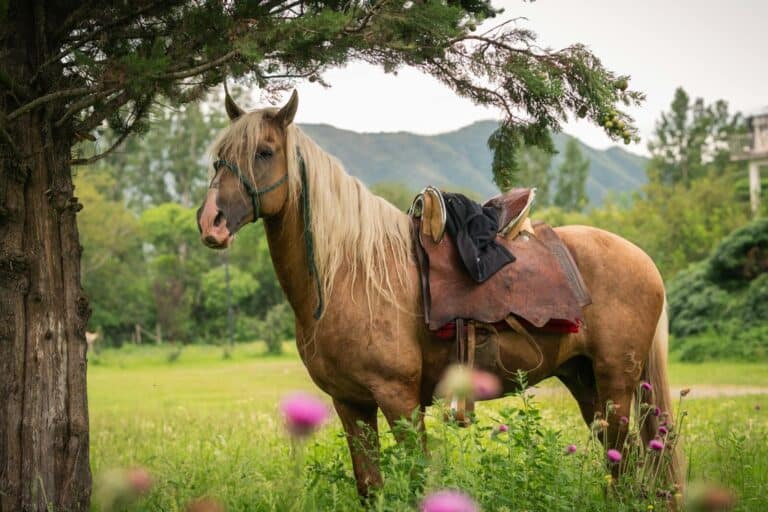
Finding a horse can feel exciting, overwhelming, and sometimes confusing, especially for first-time buyers. This finding a horse guide is packed full of how-to’s, what to look for, common red flags, budgeting tips, ownership expectations, and other important details to help you make a smart and informed decision before bringing a horse home.
Defining Your Needs
Before finding a horse, clearly define your goals. A horse should match your intended use, not the other way around.
Ask yourself:
- What is the primary purpose for the horse
- Are you interested in trail riding, competition, work, ranch riding, or pleasure riding
- What is your riding and handling experience level
- How often will the horse be used
- What type of temperament do you need
Clarity during the process of finding a horse can help prevent poor matches later.
Many first-time owners do best finding a horse that is calm, older, experienced, and already understands basic riding and handling.
Popular beginner-friendly breeds often include:
- American Quarter Horse
- Morgan Horse
- American Paint Horse
- Haflinger
- Tennessee Walking Horse
However, temperament and training are usually more important than breed alone when finding a horse.
Key Selection Factors
Age
When finding a horse, age plays a major role. Younger horses often require more training, consistency, and riding experience. Older horses are usually more predictable and beginner-friendly because they have already experienced different riders, environments, and situations.
Training Level
Green or untrained horses typically require advanced handling and continued education. Finished horses with solid training are often more reliable for beginners but may cost more initially.
Temperament
Calm, patient, and steady horses are generally better suited for most riders and first-time owners. High-strung or reactive horses may require experienced handling and advanced riding skills.
Health and Soundness
Physical condition directly impacts long-term usability, comfort, and maintenance costs. When finding a horse, always evaluate movement, hoof condition, body condition, and overall soundness carefully.
Where to Find Horses
When finding a horse, buyers may search through:
- Breeders
- Private sellers
- Trainers
- Rescues
- Boarding barns
- Listings platforms like Hellobreeder
Each source has advantages and limitations. The key to successfully finding a horse is verifying information, asking questions, and evaluating the horse carefully before purchasing.
What to Look For
A good horse should feel safe, manageable, and appropriate for your experience level.
Things to evaluate when finding a horse:
- Calm temperament
- Good ground manners
- Comfortable around grooming and handling
- Willingness to stand quietly
- Consistent riding behavior
- Healthy body condition
- Sound movement without limping
- Proper hoof care
- Comfortable loading and trailering if needed
Many buyers benefit from bringing an experienced trainer or horse professional during the process of finding a horse.
Red Flags to Watch For
Finding a horse also means learning how to identify warning signs.
Potential red flags may include:
- Seller refuses veterinary exam
- Aggressive behavior
- Dangerous habits like bolting, bucking, or rearing
- Unexplained lameness
- Poor hoof condition
- Seller rushing the sale
- Inconsistent information
- Horse behaves differently under saddle
- Signs of neglect or poor care
Always trust your instincts if something feels wrong while finding a horse.
Evaluation Process
The process of finding a horse should never be rushed. Avoid making a decision based on one ride, one photo, or one conversation with a seller.
You should:
- Observe the horse in multiple situations
- Ride or handle the horse if possible
- Ask for records and history
- Compare several horses before deciding
- Consider a pre-purchase veterinary exam
Taking your time while finding a horse can help you avoid costly mistakes and poor matches.
Understanding Horse Costs
Finding a horse also means understanding the financial responsibility that comes with ownership.
Common costs may include:
- Purchase price
- Boarding
- Feed and hay
- Farrier care
- Veterinary care
- Tack and equipment
- Lessons and training
- Emergency expenses
- Transportation
- Insurance
Many first-time buyers underestimate monthly expenses, so budgeting realistically is extremely important.
Taking Lessons First
Many first-time horse owners benefit greatly from taking lessons before finding a horse of their own.
Lessons help riders:
- Build confidence
- Learn horse handling skills
- Improve riding ability
- Understand horse behavior
- Learn daily care responsibilities
- Better understand what type of horse fits their needs
Spending time around horses before finding a horse often leads to better long-term decisions.
Final Thoughts
Finding a horse is one of the most important decisions a rider or future owner can make. While appearance, breed, color, and pedigree may initially attract attention, temperament, training, health, and compatibility are usually far more important in the long run. A horse should match the rider’s experience level, confidence, riding goals, and overall lifestyle to create the safest and most enjoyable partnership possible.
Many first-time buyers make the mistake of finding a horse based only on emotion or appearance without fully considering the responsibilities that come with ownership. Horses require consistent care, time, training, financial commitment, and patience. Daily feeding, farrier visits, veterinary care, boarding expenses, tack, and emergency situations all become part of long-term horse ownership. Taking time to understand these responsibilities before purchasing can help prevent stressful situations later.
One of the best things a buyer can do while finding a horse is work with experienced trainers, instructors, veterinarians, or knowledgeable horse owners during the search process. Professional guidance can help identify potential concerns, evaluate temperament, and determine whether a horse is truly suitable for the rider’s skill level. A calm, experienced horse is often a much better choice for beginners than a younger or more athletic horse that may require advanced handling and training.
It is also important to remember that no horse is perfect. Every horse has strengths, weaknesses, quirks, and individual personality traits. Patience, proper training, and realistic expectations all play major roles in building a successful partnership.
The right horse can become more than just a riding companion. Horses often become trusted partners, teachers, and lifelong friends that help riders build confidence, responsibility, discipline, and unforgettable memories throughout their ownership journey.
Helpful Links
American Quarter Horse Association
https://www.aqha.com
American Paint Horse Association
https://apha.com
American Morgan Horse Association
https://www.morganhorse.com
American Haflinger Registry
https://haflingerhorse.com
Tennessee Walking Horse Breeders’ & Exhibitors’ Association
https://twhbea.com
American Association of Equine Practitioners
https://aaep.org/horsehealth/owning-horse
United States Equestrian Federation
https://www.usef.org