
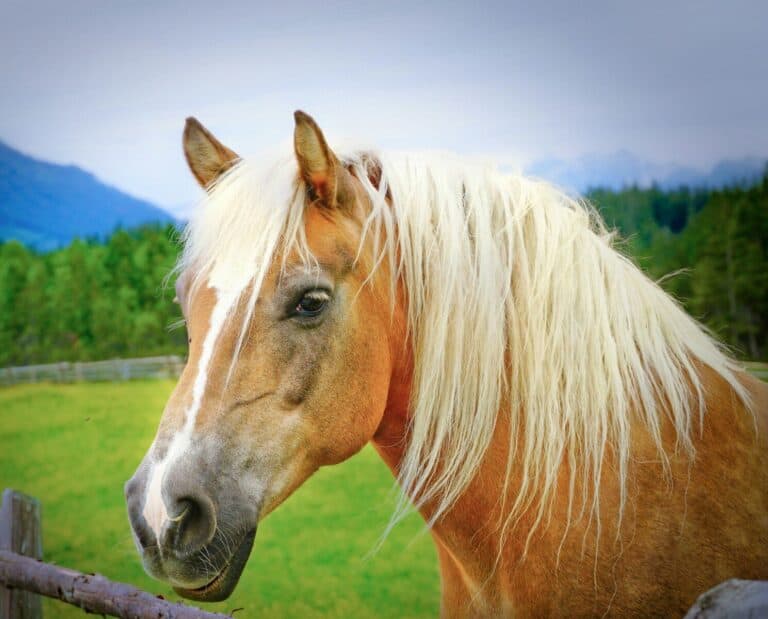
Working With a Horse Rescue
Working with a horse rescue can be an incredibly rewarding experience for people looking to provide a safe, stable, and permanent home for a horse in need. Horse rescues care for animals from many different backgrounds, including owner surrenders, neglect cases, financial hardship situations, retired performance horses, abandoned animals, and emergency rescues.
Adopting through a rescue is different from purchasing a horse through a traditional sale. Rescue organizations focus heavily on placement, long-term welfare, and making sure both the horse and adopter are a good match for each other.
Every horse has a unique history, personality, training level, and care requirement. Taking the time to understand the rescue process, evaluate your own experience level, and prepare properly helps create a safer and more successful outcome for both you and the horse.
Understanding Horse Rescue Organizations
Horse rescues vary widely in size, structure, and focus.
Some rescues are large facilities with full-time staff, trainers, veterinarians, and rehabilitation programs. Others are smaller volunteer-based organizations that rely heavily on foster homes, donations, and community support.
Certain rescues specialize in:
Retired performance horses
Senior horses
Neglect and abuse rehabilitation
Draft horses
Mustangs
Companion horses
Medical rehabilitation
Owner surrender situations
Breed-specific rescues
Many rescue horses arrive with incomplete histories, unknown training backgrounds, or medical needs that require rehabilitation and ongoing care.
The primary goal of most rescues is not simply to place horses quickly, but to ensure the horse is going into a safe, knowledgeable, and appropriate long-term environment.
Why Horses Enter Rescue Care
Many people assume rescue horses always come from severe abuse situations, but that is not always the case.
Horses may enter rescue programs for many reasons, including:
Financial hardship
Owner illness or death
Divorce or major life changes
Loss of property or boarding access
Neglect situations
Injury or retirement
Natural disasters
Abandonment
Training or behavioral issues
Unexpected veterinary expenses
Changing family situations
Economic hardship often plays a major role in horse surrender cases because horses are expensive to maintain long term.
Some horses come from loving homes where owners simply could no longer provide care, while others may require significant rehabilitation after neglect or poor management.
Understanding the Commitment
Horse ownership is a major long-term responsibility, and rescue horses may require additional patience, care, and flexibility.
Before adopting through a rescue, ask yourself:
Do I have enough experience?
Can I financially support a horse long term?
Do I have access to safe housing or boarding?
Can I provide consistent veterinary and farrier care?
Am I prepared for emergencies?
Do I realistically have the time required?
Horse ownership includes ongoing expenses such as:
Feed and hay
Boarding
Farrier care
Veterinary care
Dental care
Supplements
Blanketing if needed
Emergency medical treatment
Training
Tack and equipment
Transportation
Unexpected medical emergencies alone can become extremely expensive very quickly.
The Adoption Process
Most horse rescues have detailed screening and adoption procedures.
This process may include:
Applications
Interviews
Reference checks
Veterinary references
Facility inspections
Photos of fencing and shelter
Riding evaluations
Experience discussions
Adoption contracts
Some rescues may also require follow-up checks or updates after adoption.
While this process can sometimes feel extensive, it exists to ensure horses are placed into safe and appropriate homes.
Horse rescues want placements to succeed long term and work hard to avoid situations where horses are repeatedly rehomed or returned.
Being Honest About Experience
Honesty is extremely important during the adoption process.
Do not overstate your experience level or abilities. Rescue organizations need accurate information in order to match horses appropriately.
Some rescue horses may be beginner-friendly, while others require advanced handling, training, or rehabilitation experience.
Be realistic about:
Your riding ability
Training experience
Confidence level
Facility setup
Financial readiness
Time availability
Goals for the horse
There is nothing wrong with being a beginner, but the rescue needs to know what type of horse will realistically fit your situation.
Understanding Rescue Horse Backgrounds
Unlike horses purchased directly from breeders or carefully documented programs, rescue horses may come with incomplete histories.
Rescues may not always know:
Exact age
Training history
Previous injuries
Behavioral triggers
Breeding background
Past handling experiences
Competition records
This uncertainty is normal in rescue situations.
Some horses may have excellent manners and training despite limited documentation, while others may require additional patience and evaluation.
Flexibility and realistic expectations are important.
Evaluating the Right Match
One of the most important parts of the process is finding the right match between horse and adopter.
The “right” horse is not always the prettiest, youngest, or most athletic option.
Instead, focus on:
Temperament
Training level
Safety
Compatibility
Manageability
Your goals and lifestyle
A calm, experienced horse is often a better fit for beginner riders than a younger or highly energetic horse requiring advanced training.
Rescue staff can often help guide adopters toward horses that fit their experience and expectations realistically.
Veterinary and Health Considerations
Many rescue horses require medical care or rehabilitation before adoption.
This may include:
Weight gain programs
Dental work
Hoof rehabilitation
Vaccinations
Deworming
Injury recovery
Joint management
Nutritional support
Behavioral rehabilitation
Some horses may also have long-term conditions requiring ongoing management.
Potential adopters should fully understand any medical concerns, limitations, or special care needs before committing.
Pre-purchase or veterinary exams may also be recommended depending on the situation.
Boarding and Housing
Before adopting a horse, you must have appropriate housing arranged.
This may involve:
Private property
Boarding facilities
Pasture setups
Dry lots
Shelter access
Safe fencing
Adequate feed storage
Water access
Rescues often require proof that proper housing is available before approving adoption.
Safe fencing and appropriate shelter are especially important.
Transportation and Bringing Your Horse Home
Transporting a rescue horse safely is another important step.
You may need:
Your own trailer
A professional hauler
Health certificates if crossing state lines
Emergency contacts
Travel planning
Experienced transporters
If using a professional transporter, ask questions about:
Experience
Insurance
Travel schedule
Trailer setup
Communication during transport
Horse safety protocols
Long-distance transport can be stressful, especially for horses already adjusting to major life changes.
The Adjustment Period
The first several weeks after bringing a rescue horse home are often an adjustment period.
Even calm horses may initially feel:
Nervous
Overstimulated
Withdrawn
Anxious
Uncertain
Some horses settle quickly, while others require more time to build trust and confidence.
Consistency, patience, and calm handling are extremely important during this stage.
Avoid overwhelming the horse with too much too quickly.
Building Trust
Many rescue horses benefit from time, structure, and predictable handling routines.
Trust is built through:
Consistency
Calm leadership
Routine
Gentle handling
Positive experiences
Patience
Some rescue horses may have experienced inconsistent training or difficult situations previously.
Rushing progress can damage confidence and slow adjustment.
Ongoing Training and Support
Some rescue horses may need additional training or professional guidance after adoption.
This may involve:
Groundwork
Desensitization
Confidence-building
Trailer loading
Riding evaluation
Manners and handling
Working with experienced trainers when needed can help create safer and more successful outcomes.
Many rescues also remain available for support or questions after adoption.
Understanding Adoption Contracts
Most rescues use adoption contracts rather than simple bills of sale.
Contracts may include:
Return policies
Care expectations
Breeding restrictions
Transfer limitations
Veterinary requirements
Right-of-first-refusal agreements
Follow-up policies
Read all contracts carefully and ask questions if anything feels unclear.
The goal of these agreements is usually long-term protection for the horse.
Emotional Rewards of Rescue
Providing a safe home to a rescue horse can be extremely rewarding.
Many adopters form incredibly strong bonds with rescue horses and find deep satisfaction in helping an animal transition into a healthier and more stable life.
However, rescue should not be viewed as “saving” alone.
The focus should always remain on creating a safe, realistic, and sustainable placement for the horse long term.
What Hellobreeder Helps You Do
Hellobreeder helps connect users with rescues, transporters, horse communities, and educational resources in one organized platform.
Users can:
Explore rescue profiles
Browse available horses
Connect directly with organizations
Research breeds and horse care
Join horse-related groups
Communicate with transporters
Access educational learning hub content
Preparation and education are extremely important parts of responsible horse ownership and rescue adoption.
Final Thoughts
Working with a horse rescue is about far more than simply adopting a horse. It involves commitment, patience, preparation, financial responsibility, and a willingness to provide long-term stability and care.
Every rescue horse comes with a unique history, personality, and set of needs. Some horses may require little adjustment, while others need significant rehabilitation, structure, and trust-building.
The adoption process may feel more detailed than a traditional sale, but those steps are designed to protect both the horse and the adopter while creating safer, more successful placements.
When rescues and adopters work together honestly and realistically, rescue adoption can become one of the most rewarding experiences in horse ownership.
Helpful Links
American Association of Equine Practitioners (AAEP)
https://aaep.org/
ASPCA Equine Resources
https://www.aspca.org/improving-laws-animals/public-policy/horse-welfare
United States Equestrian Federation (USEF)
https://www.usef.org/
The Humane Society of the United States – Equine Protection
https://www.humanesociety.org/all-our-fights/protecting-horses
Best Friends Animal Society
https://bestfriends.org/
Days End Farm Horse Rescue
https://defhr.org/