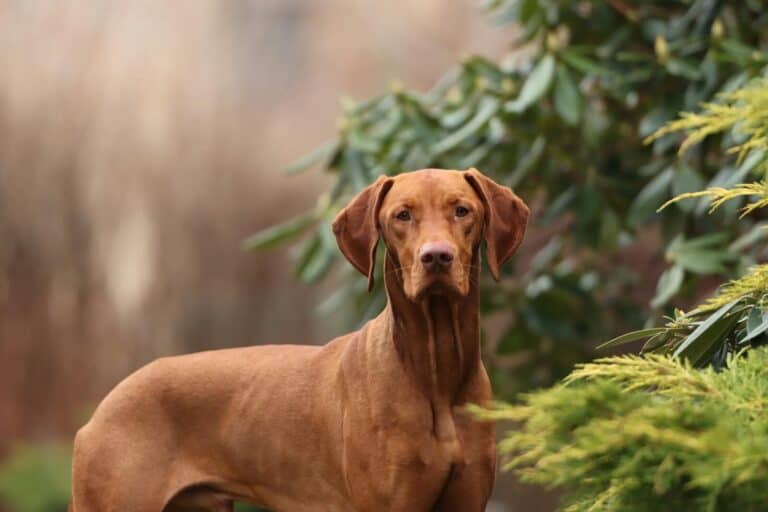
Vizsla
About the Breed
The Vizsla is an elegant and athletic sporting dog known for its affectionate personality, intelligence, and strong bond with people. Originally developed as a versatile hunting companion, this breed combines endurance, speed, trainability, and sensitivity with a highly social and family-oriented temperament. Many owners describe these dogs as “velcro dogs” because of how closely they prefer to stay near their people throughout the day.
Vizsla is admired for its sleek golden-rust coat, expressive eyes, graceful movement, and balanced structure. While undeniably athletic, these dogs are also deeply affectionate and thrive on companionship and interaction. They are not typically independent or emotionally distant dogs. Instead, they usually prefer to be heavily involved in daily life and often form extremely close relationships with their owners.
One of the defining characteristics of Vizsla is emotional sensitivity. These dogs tend to respond strongly to both praise and correction and often do best in homes where training is consistent, encouraging, and positive. Harsh training methods or long periods of isolation can negatively affect confidence and behavior.
This breed was developed to work closely alongside humans, and that close working partnership still influences temperament today. Many individuals naturally seek physical closeness, follow their owners from room to room, and strongly prefer companionship over solitude.
These dogs are commonly described as affectionate, loyal, energetic, athletic, intelligent, eager to please, social, and highly trainable.
History
The history of Vizsla dates back centuries to Hungary, where these dogs were developed as versatile hunting companions for nobility and sportsmen. Historical evidence suggests their ancestors accompanied Magyar tribes long ago and were selectively bred for endurance, agility, scenting ability, and close cooperation with hunters.
Hunters valued these dogs for their ability to locate and point game birds while also retrieving efficiently across varied terrain. Their speed, intelligence, and adaptability made them exceptionally useful hunting partners capable of working both on land and in water.
Unlike some hunting breeds developed for more independent work, this breed was intentionally bred to remain highly connected to handlers. That close working relationship contributed heavily to the affectionate and people-oriented temperament still seen today.
During periods of political instability and war in Europe, the population declined dramatically. Dedicated breeders worked to preserve the bloodlines, eventually re-establishing the breed and introducing it internationally.
Today, Vizsla continue to excel in:
Hunting
Field trials
Agility
Obedience
Tracking
Dock diving
Therapy work
Running sports
Family companionship
Their versatility remains one of their greatest strengths.
Height
Males generally stand approximately 22 to 24 inches tall at the shoulder.
Females are typically slightly smaller, averaging approximately 21 to 23 inches tall.
Proper structure should appear balanced, athletic, elegant, and muscular without excessive heaviness.
Weight
Most adults weigh between 45 and 65 pounds depending on gender, genetics, conditioning, and structure.
Healthy individuals should maintain a lean and athletic physique. Excess weight can place unnecessary stress on joints and reduce endurance and mobility.
Life Expectancy
The average life expectancy is approximately 12 to 15 years.
Proper nutrition, preventative veterinary care, regular exercise, healthy conditioning, and responsible breeding practices all contribute significantly to longevity and quality of life.
Many individuals remain active and athletic well into their senior years when properly maintained.
Overall Health
This breed is generally considered relatively healthy when responsibly bred, though certain inherited health concerns may still occur.
Potential health concerns may include:
Hip dysplasia
Elbow dysplasia
Progressive retinal atrophy
Epilepsy
Hypothyroidism
Cancer
Skin allergies
Autoimmune disorders
Eye disease
Gastric dilatation-volvulus (bloat)
Because these dogs are deep-chested and athletic, bloat can be a serious emergency risk in some individuals.
Maintaining proper conditioning, healthy body weight, and regular veterinary care plays an important role in supporting long-term health.
Health Testing They Should Have
Responsible breeders should prioritize extensive health testing before breeding.
Recommended evaluations may include:
Hip evaluations
Elbow evaluations
Eye examinations
Thyroid testing
Cardiac evaluations where appropriate
DNA screening relevant to the breed
Structural evaluations
Temperament assessments
Breeding dogs should demonstrate healthy movement, stable temperament, sound structure, and proper social behavior.
Potential buyers should always ask breeders about health testing performed on parent dogs and request documentation whenever possible.
Breed Traits and Characteristics
This breed is known for combining athletic ability with deep emotional attachment to people. Many individuals crave constant companionship and strongly prefer being included in family activities rather than left alone for extended periods.
Common personality traits include:
Loyalty
Affection
Sensitivity
Intelligence
Athleticism
Playfulness
Trainability
Social behavior
These dogs often thrive in homes where they receive both physical exercise and meaningful interaction. Because they were developed as cooperative working dogs, they tend to respond very well to relationship-focused training and positive engagement.
Many individuals are highly energetic and may become frustrated without sufficient activity and mental stimulation.
Regular opportunities for:
Running
Training
Hiking
Interactive games
Outdoor activities
Mental challenges
help support balanced behavior and emotional well-being.
Without enough stimulation, some dogs may develop undesirable behaviors such as destructive chewing, hyperactivity, digging, barking, or anxiety.
Temperament Ratings
Affectionate with family: 10/10
Good with young children: 8/10
Good with other dogs: 8/10
Shedding level: 4/10
Watchdog/protective nature: 5/10
Energy level: 10/10
Grooming frequency: 3/10
Drooling level: 2/10
Coat Type
This breed has a short, smooth, dense coat that lies close to the body.
The coat is relatively low maintenance compared to many sporting breeds.
Routine care generally includes:
Weekly brushing
Nail trimming
Ear cleaning
Dental care
Occasional bathing
Although shedding is moderate, the short coat is usually easy to maintain.
Because the coat is thin and close-fitting, these dogs may be more sensitive to colder temperatures than heavily coated breeds.
Colors
This breed is known for its rich golden-rust coloring.
Acceptable shades generally range from:
Golden rust
Rust
Reddish gold
Small amounts of white on the chest or toes may occasionally occur.
Markings and Patterns
Most individuals are solid-colored without extensive markings or patterns.
The breed is valued for its clean, elegant appearance and uniform coat color.
Large white markings or unusual patterns are generally considered undesirable in traditional breed standards.
Breed Standard
This breed is recognized internationally as a purebred sporting dog.
Responsible breeders prioritize:
Athletic structure
Sound movement
Stable temperament
Working ability
Overall health
Breed type
The ideal dog should appear balanced, graceful, agile, and powerful without heaviness.
Exercise Needs
This is an extremely active and athletic breed that requires substantial daily exercise and mental stimulation.
Most individuals benefit from:
Long walks
Running
Hiking
Structured play
Training sessions
Off-leash activity in secure areas
Outdoor adventures
Sporting activities
These dogs are generally not well suited for sedentary households.
Physical exercise alone is often not enough. Mental engagement and companionship are equally important for maintaining healthy behavior.
Without enough stimulation, frustration and behavioral issues may develop quickly.
Training Needs
This breed is highly intelligent and generally eager to please, making training highly rewarding when approached correctly.
Training should begin early and include:
Socialization
Basic obedience
Leash manners
Exposure to new environments
Confidence-building experiences
Positive reinforcement methods usually produce the best results.
These dogs often excel in:
Obedience
Agility
Tracking
Hunting sports
Therapy work
Rally
Advanced training
Because of their emotional sensitivity, harsh corrections are usually counterproductive and may damage confidence or trust.
Consistency, patience, and relationship-focused training generally produce the strongest results.
Grooming Requirements
Grooming needs are relatively minimal compared to many other sporting breeds.
Routine maintenance typically includes:
Weekly brushing
Nail trimming
Ear cleaning
Dental care
Occasional baths
Because of the short coat, matting is not a concern.
Active outdoor dogs may require more frequent ear cleaning and nail maintenance.
Living Environment
This breed thrives best in active homes where companionship, exercise, and interaction are provided consistently.
These dogs often do well in:
Active family homes
Running households
Outdoor-oriented lifestyles
Homes with yards
Sporting households
While adaptable in some environments, they generally do not do well with inactivity or prolonged isolation.
Even in smaller living spaces, exercise and engagement requirements remain very high.
Compatibility With Children and Other Pets
Many individuals are affectionate and social with family members and often do well with children and other pets when properly socialized.
They are frequently:
Gentle
Playful
Friendly
Interactive
Social
However, their enthusiasm and energy can sometimes overwhelm very young children.
Early socialization helps encourage balanced and confident behavior around people and animals.
Common Misconceptions
One common misconception is that these dogs are calm indoor companions simply because they are affectionate.
In reality, this is an extremely athletic working breed requiring significant physical and mental stimulation.
Another misconception is that the short coat means the breed is entirely low maintenance. While grooming needs are relatively simple, exercise and companionship requirements are extremely high.
Some owners are also surprised by how emotionally sensitive and attached these dogs can become.
Is This Breed Right for Everyone?
This breed can make an exceptional companion for active owners willing to invest time into:
Exercise
Training
Mental stimulation
Socialization
Companionship
However, these dogs may not be ideal for people seeking:
A low-energy companion
Long periods of independence
Minimal exercise
Detached personalities
Potential owners should realistically evaluate their lifestyle before bringing one home.
Final Thoughts
The Vizsla combines athleticism, intelligence, emotional sensitivity, and deep companionship into one elegant and versatile sporting breed. Originally developed as a hunting partner, this dog continues to excel not only in field work but also as a devoted family companion.
Although these dogs can be incredibly affectionate, loyal, and trainable, they also require substantial exercise, social interaction, mental stimulation, and structure to truly thrive. Their strong attachment to people and energetic personalities make them best suited for active homes where they can participate fully in everyday life.
For owners prepared to meet both their physical and emotional needs, this breed can be an extraordinarily rewarding, loving, and lifelong companion.
Breed Resources
AKC Vizsla page: AKC Vizsla page
Vizsla Club of America: Vizsla Club of America
UKC breed reference: UKC Vizsla