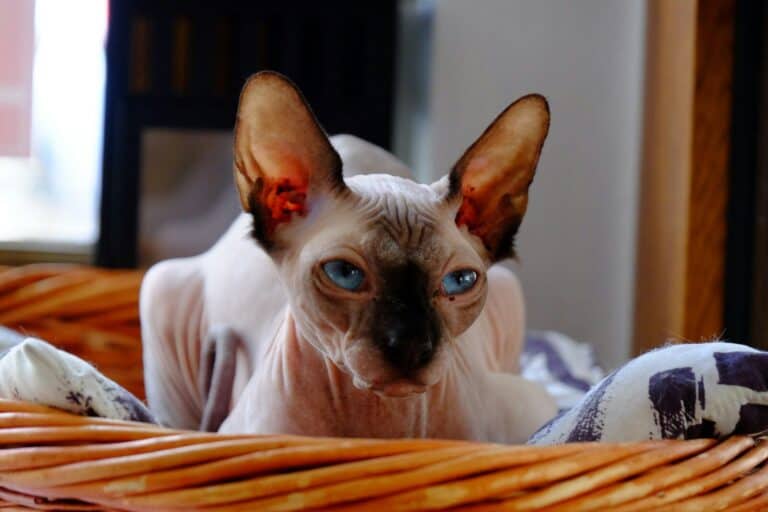
Sphynx
About the Breed
The Sphynx is a distinctive hairless cat breed known for its nearly bare skin, large ears, expressive eyes, and highly affectionate personality. Despite appearing hairless, most Sphynx cats are covered with a fine layer of soft down that gives the skin a warm, suede-like feel.
They are exceptionally social and thrive on human interaction. They are often described as outgoing, clownish, curious, and deeply devoted to their families. Many enjoy following their owners from room to room, greeting visitors, and participating in every aspect of household life.
Because they lack a traditional coat, this breed seeks warmth and they frequently cuddle under blankets, perch in sunny windows, and snuggle closely with their people. Their combination of intelligence, playfulness, and affectionate behavior makes them one of the most engaging and interactive cat breeds.
History
The modern Sphynx breed originated in Canada during the 1960s from a naturally occurring genetic mutation that caused hairlessness. Breeders carefully developed the breed through selective breeding to maintain good health, stable temperament, and the unique hairless appearance.
Over time, they became popular worldwide for its unusual look, affectionate temperament, and extroverted personality.
Height
Most stand about 8–10 inches tall at the shoulder.
Weight
Females generally weigh 6–10 pounds.
Males commonly weigh 8–14 pounds.
Life Expectancy
About 9–15 years is commonly cited, although many live longer with excellent care and regular veterinary monitoring.
Overall Health
This breed is generally healthy, but they do require specialized care because they lack a full coat.
Common concerns include hypertrophic cardiomyopathy (HCM), skin oil buildup, yeast infections, sun sensitivity, temperature sensitivity, and dental disease.
Without fur to absorb natural skin oils, the skin can become oily and may collect dirt and debris. Regular bathing and ear cleaning are usually necessary to keep the skin healthy.
Because they are sensitive to cold temperatures, most Sphynx cats prefer warm environments and may seek blankets, heated beds, or sweaters designed for cats.
Health Testing They Should Have
Cardiac screening for hypertrophic cardiomyopathy
Routine echocardiograms performed by a veterinary cardiologist
DNA testing when appropriate
Regular dermatologic evaluation
Routine veterinary examinations and dental care
Breed Traits and Characteristics
These cats are affectionate, energetic, and extremely people-oriented. They are known for their curious and mischievous nature and often behave more like small dogs than typical cats.
They typically enjoy:
- Greeting family members at the door
- Riding on shoulders
- Playing interactive games
- Learning tricks
- Sleeping under blankets
Sphynx cats do not do well when ignored for long periods and generally prefer constant companionship.
Temperament Ratings
Affectionate with family: 10/10
Good with children: 9/10
Good with other pets: 9/10
Shedding level: 1/10
Watchfulness: 6/10
Energy level: 8/10
Grooming frequency: 7/10
Vocalization: 6/10
Coat Type
Hairless or nearly hairless with a very fine peach-fuzz-like covering.
Colors
All colors and patterns are possible and are visible through the skin pigmentation.
Markings
Any pattern may occur, including solid, tabby, tortoiseshell, pointed, and bi-color.
Breed Standard Snapshot
The Sphynx should appear medium-sized, muscular, and surprisingly substantial. Key features include large ears, prominent cheekbones, wrinkled skin, a rounded abdomen, and an outgoing, inquisitive expression.
Exercise Needs
Sphynx cats are active and playful. They require daily interaction, climbing opportunities, puzzle toys, and enrichment to stay mentally and physically engaged.
Training Needs
Sphynx cats are highly intelligent and often easy to train. Many can learn:
- Their name
- Fetch
- Tricks
- Harness walking
- Interactive games
Positive reinforcement works extremely well with this breed.
Special Care Requirements
Regular bathing to remove excess skin oils
Frequent ear cleaning
Routine nail trimming
Protection from cold weather
Limited sun exposure to prevent sunburn
High-quality nutrition to support their fast metabolism
Breed Resources