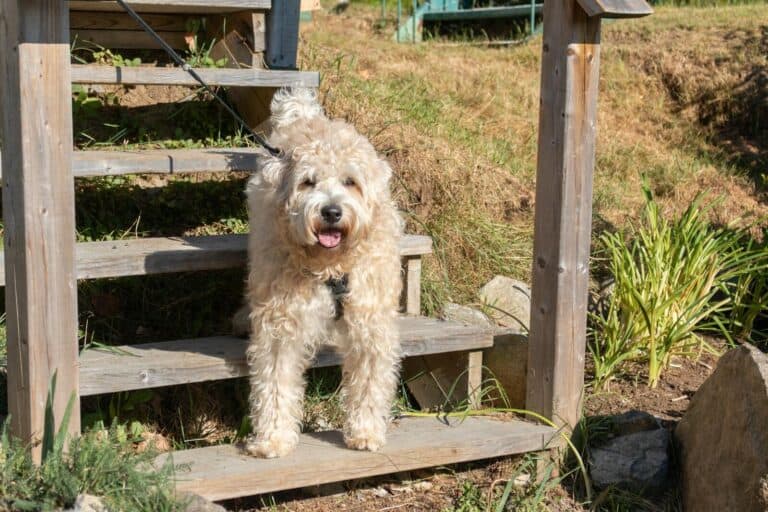
Soft Coated Wheaten Terrier
About the Breed
The Soft Coated Wheaten Terrier is a medium-sized terrier breed known for its friendly personality, silky wheaten-colored coat, playful spirit, and affectionate nature. Unlike some terrier breeds that can be more independent or intense, this breed is often especially social and people-oriented. Many individuals are cheerful, energetic companions that thrive on interaction, activity, and family involvement.
One of the most recognizable features of the breed is its soft, flowing coat, which differs significantly from the harsher coats commonly associated with many other terriers. Combined with a square athletic build and lively expression, these dogs have a distinctive appearance that is both elegant and rugged.
Although affectionate and social, these dogs still retain many classic terrier traits, including alertness, curiosity, intelligence, and confidence. Most individuals are energetic and playful well into adulthood and often maintain a puppy-like enthusiasm for life.
This breed is known for forming strong bonds with family members and generally prefers companionship over long periods of isolation. Many individuals are highly interactive and enjoy participating in daily activities, outdoor adventures, games, and training sessions.
These dogs are commonly described as affectionate, playful, energetic, intelligent, social, alert, lively, and loyal.
Despite their friendly personalities, these dogs still require proper training, socialization, exercise, and mental stimulation to develop into balanced companions.
History
The Soft Coated Wheaten Terrier originated in Ireland, where it developed as an all-purpose farm dog used by working families for centuries. Unlike some breeds associated primarily with nobility or wealth, these dogs were traditionally owned by farmers who needed versatile and hardworking companions.
Historically, these dogs assisted with:
Herding livestock
Guarding property
Controlling vermin
Hunting small animals
General farm work
Their adaptability and willingness to work made them highly valued in rural environments.
The breed’s exact origins are not fully documented, but it is believed to share ancestry with several other Irish terrier breeds. Over generations, selective breeding helped develop the soft wheaten-colored coat and outgoing temperament now associated with the modern breed.
Compared to some terrier breeds developed for more intense hunting or guarding work, this breed often retained a somewhat softer and more social temperament around people.
Although long popular in Ireland, the breed gained wider international recognition much later. Eventually, growing appreciation for its affectionate personality and distinctive appearance helped increase popularity around the world.
Today, these dogs continue to excel in:
Companionship
Obedience
Agility
Therapy work
Canine sports
Farm activities
Performance events
Their combination of terrier spirit and social temperament remains one of their defining qualities.
Height
Most adults stand approximately 17 to 19 inches tall at the shoulder.
Proper structure should appear balanced, athletic, square, and sturdy without excessive heaviness.
Weight
Most individuals weigh approximately 30 to 40 pounds depending on genetics, gender, conditioning, and overall structure.
Healthy body condition is important because excess weight can place unnecessary stress on joints and reduce mobility.
These dogs should appear agile, muscular, and energetic rather than bulky.
Life Expectancy
The average life expectancy is approximately 12 to 15 years.
With proper care, many individuals remain active and healthy well into their senior years.
Preventative veterinary care, proper nutrition, exercise, coat maintenance, and responsible breeding all contribute significantly to longevity and quality of life.
Overall Health
This breed is generally considered relatively healthy when responsibly bred, though several inherited health concerns may still occur.
Potential health concerns may include:
Protein-losing nephropathy
Protein-losing enteropathy
Hip dysplasia
Addison’s disease
Kidney disease
Eye disorders
Allergies
Skin irritation
Digestive sensitivities
Protein-related kidney and intestinal diseases are among the most significant concerns associated with the breed and should be carefully monitored.
Because of the coat type and skin sensitivity seen in some individuals, proper grooming and skin care are also important.
Maintaining healthy body condition and regular veterinary monitoring can help support long-term health and mobility.
Health Testing They Should Have
Responsible breeders should prioritize extensive health testing before breeding.
Recommended evaluations may include:
Hip evaluations
Eye examinations
Kidney screening
Protein level monitoring
DNA testing relevant to the breed
Structural evaluations
Temperament assessments
Breeding dogs should demonstrate:
Stable temperament
Healthy movement
Proper structure
Sound skin and coat condition
Overall physical health
Potential buyers should always ask breeders about health testing performed on parent dogs and request documentation whenever possible.
Breed Traits and Characteristics
This breed is known for combining classic terrier alertness and confidence with an unusually social and affectionate personality.
Common personality traits include:
Affection
Playfulness
Curiosity
Energy
Intelligence
Alertness
Loyalty
Social behavior
Many individuals are highly people-oriented and strongly prefer being included in family activities rather than left alone for extended periods.
These dogs often maintain youthful enthusiasm well into adulthood and usually enjoy interactive games, outdoor activities, and opportunities to learn.
Because they are intelligent and energetic, mental stimulation is important for supporting balanced behavior.
Regular opportunities for:
Training
Exercise
Socialization
Interactive games
Puzzle toys
Learning activities
help support emotional well-being and healthy behavior.
Without enough engagement, boredom and unwanted behaviors such as digging, barking, or destructive chewing may develop.
Temperament Ratings
Affectionate with family: 10/10
Good with young children: 9/10
Good with other dogs: 8/10
Shedding level: 2/10
Watchdog/protective nature: 5/10
Energy level: 8/10
Grooming frequency: 9/10
Drooling level: 1/10
Coat Type
This breed has a soft, silky, single-layer coat that continues growing throughout life.
Unlike the harsher coats associated with many terriers, the coat texture here is softer, flowing, and slightly wavy.
Routine grooming generally includes:
Frequent brushing
Professional grooming
Regular trimming
Ear cleaning
Nail trimming
Dental care
Without consistent grooming, mats and tangles can develop quickly, especially around the legs, beard, and underbody.
Because the coat continues growing, regular maintenance is essential throughout life.
Colors
The breed is best known for its distinctive wheaten coloring.
Shades may range from:
Light cream wheaten
Warm honey wheaten
Golden wheaten
Puppies are often born darker and gradually lighten as they mature.
Markings and Patterns
Most individuals display solid wheaten coloring with minimal pattern variation.
Some darker shading may appear around the ears or muzzle during development before lightening with maturity.
Balanced coat color and soft texture are strongly valued within breed standards.
Breed Standard
Breed standards emphasize a dog that is balanced, athletic, friendly, and naturally coordinated.
Responsible breeders should prioritize:
Stable temperament
Healthy movement
Proper structure
Correct coat texture
Overall health
Movement should appear smooth, effortless, energetic, and efficient.
Exercise Needs
This breed requires regular physical activity and mental stimulation to remain healthy and balanced.
Most individuals benefit from:
Daily walks
Structured play
Training sessions
Outdoor adventures
Interactive games
Social interaction
These dogs are generally energetic and often enjoy active lifestyles with their families.
Regular exercise helps support healthy behavior, emotional balance, and physical conditioning.
Without enough stimulation, boredom and frustration may lead to unwanted behaviors.
Training Needs
This breed is intelligent and generally eager to engage with people, though some individuals may also display independent terrier tendencies.
Training should begin early and include:
Socialization
Basic obedience
Leash manners
Exposure to different environments
Confidence-building experiences
Positive reinforcement methods generally produce the best results.
These dogs often excel in:
Obedience
Agility
Therapy work
Trick training
Canine sports
Because of their social and emotionally aware personalities, harsh correction is generally unnecessary and may negatively affect confidence.
Consistency, patience, and positive interaction usually produce strong results.
Grooming Requirements
Grooming maintenance is a significant part of ownership because of the continuously growing coat.
Routine care generally includes:
Frequent brushing
Professional grooming
Regular trimming
Ear cleaning
Nail trimming
Dental care
Without regular coat maintenance, tangles and mats may become severe and uncomfortable.
Many owners maintain shorter trims for easier upkeep, while others prefer longer natural coat styles.
Living Environment
These dogs adapt well to many living situations when companionship and stimulation are consistently available.
They often do well in:
Family homes
Suburban environments
Active households
Homes with yards
Apartments with active owners
Because of their social personalities, prolonged isolation is generally not ideal.
These dogs thrive best when included in daily life and family activities.
Compatibility With Children and Other Pets
Many individuals are affectionate and social with family members and often do very well with children and other pets when properly socialized.
They are frequently:
Friendly
Playful
Interactive
Social
Loving
Because of their energetic personalities, supervision is still important around very young children.
Some individuals may retain mild chasing or terrier instincts around smaller animals.
Early socialization helps encourage balanced and confident behavior around people and animals.
Common Misconceptions
One common misconception is that all terriers are highly aggressive or difficult companions.
In reality, this breed is often notably social, affectionate, and family-oriented compared to some more intense terrier breeds.
Another misconception is that lower shedding automatically means low maintenance. While shedding may be minimal, grooming responsibilities are often extensive.
Some owners are also surprised by how energetic and mentally active these dogs can become.
Intelligence and Adaptability
This breed is widely recognized for intelligence and adaptability.
Many individuals learn commands and routines quickly and often enjoy participating in structured activities and advanced training.
Because of their social personalities and moderate size, these dogs often adapt well to many lifestyles provided they receive enough interaction, exercise, and companionship.
Mental engagement is especially important because intelligent dogs may become frustrated without enough stimulation and activity.
Emotional Sensitivity and Bonding
These dogs often form strong emotional attachments to family members and may become highly attuned to human behavior and emotions.
Many strongly prefer companionship and may struggle emotionally if isolated for long periods.
Because of their emotional sensitivity and social nature, these dogs generally respond best to calm leadership, positive interaction, and consistent routines.
Harsh handling or chaotic environments may negatively affect confidence and emotional well-being.
Final Thoughts
The Soft Coated Wheaten Terrier combines terrier spirit, intelligence, affection, and playful energy into one of the most distinctive companion breeds in the world. Originally developed as a versatile Irish farm dog, this breed continues to stand out because of its cheerful personality, soft wheaten coat, and strong attachment to people.
Although affectionate and social, these dogs still require regular exercise, mental stimulation, grooming, training, and companionship to truly thrive. Their energetic and interactive personalities make them best suited for homes where they can actively participate in daily life.
For owners prepared to meet both the emotional and grooming needs of this lively and affectionate breed, these dogs can become extraordinarily loving, entertaining, and rewarding lifelong companions.
Helpful Links
AKC Soft Coated Wheaten Terrier Page: https://www.akc.org/dog-breeds/soft-coated-wheaten-terrier/
Soft Coated Wheaten Terrier Club of America: https://scwtca.org/
UKC Soft Coated Wheaten Terrier Page: https://www.ukcdogs.com/soft-coated-wheaten-terrier
Orthopedic Foundation for Animals (OFA): https://ofa.org/