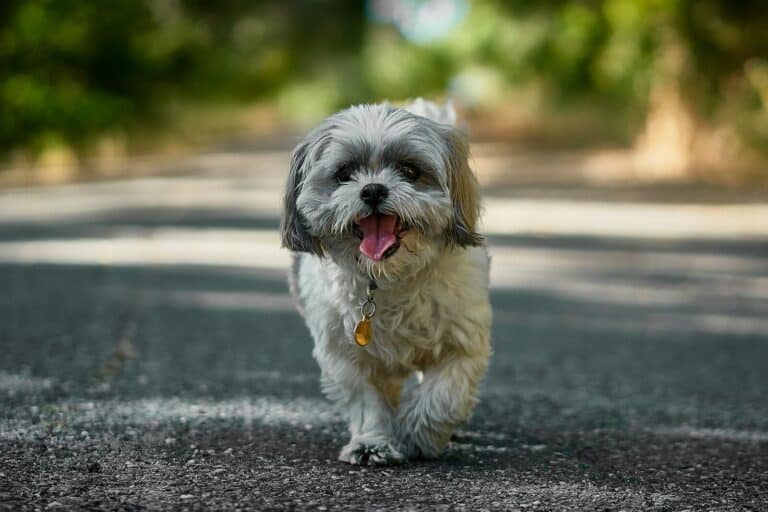
Shih Tzu
About the Breed
The Shih Tzu is a small companion breed known for its affectionate personality, luxurious coat, friendly temperament, and deep attachment to people. Originally developed as a royal companion dog, this breed is widely admired for combining elegance with a playful and loving nature. These dogs are often happiest when spending time close to their families and participating in daily household life.
One of the most recognizable features of the breed is its long flowing coat and sweet facial expression. Combined with a compact sturdy body and expressive eyes, these dogs have a charming and unmistakable appearance. Despite their refined look, many individuals are surprisingly outgoing, playful, and confident.
Unlike some toy breeds that may be highly nervous or delicate, these dogs are often sturdy, social, and adaptable. Many individuals enjoy attention from both familiar people and strangers and tend to thrive in social environments when properly socialized from an early age.
This breed is frequently described as affectionate, friendly, playful, loyal, social, charming, adaptable, and people-oriented.
These dogs were specifically developed for companionship rather than demanding working tasks, and that history strongly influences temperament today. Most individuals strongly prefer being close to their owners and generally do not enjoy prolonged isolation.
Although relatively small and adaptable, these dogs still require regular grooming, socialization, training, and interaction to remain healthy and emotionally balanced.
History
The Shih Tzu has a long and fascinating history closely connected to Chinese royalty and palace life. The breed is believed to descend from small companion dogs originating in Tibet, which were later refined in China through selective breeding programs associated with imperial courts.
These dogs became especially valued by Chinese nobility because of their affectionate personalities, elegant appearance, and loyal companionship qualities. Historical records and artwork often depict similar dogs living within royal palaces and accompanying members of the imperial family.
Unlike many breeds originally developed for hunting, herding, or guarding, this breed was intentionally bred primarily as a companion. Their purpose was to provide comfort, companionship, and entertainment to their owners.
Over generations, breeders refined the compact body, flowing coat, friendly temperament, and distinctive facial features associated with the modern breed.
For many years, these dogs remained closely associated with Chinese royalty and were relatively uncommon outside Asia. Eventually, the breed gained international recognition and popularity because of its affectionate personality and appealing appearance.
Today, these dogs continue to excel in:
Companionship
Therapy work
Emotional support roles
Obedience
Trick training
Family life
Their strong social nature and adaptability remain some of the breed’s defining qualities.
Height
Most adults stand approximately 8 to 11 inches tall at the shoulder.
Proper structure should appear balanced, sturdy, compact, and proportionate without appearing fragile.
Weight
Most individuals weigh approximately 9 to 16 pounds depending on genetics, conditioning, and structure.
Healthy body condition is especially important because excess weight may place unnecessary stress on joints and reduce mobility.
These dogs should appear sturdy and solid without becoming overweight.
Life Expectancy
The average life expectancy is approximately 10 to 16 years.
With proper care, many individuals remain affectionate and active well into their senior years.
Preventative veterinary care, proper nutrition, regular grooming, dental maintenance, and responsible breeding all contribute significantly to longevity and quality of life.
Overall Health
This breed is generally considered relatively healthy when responsibly bred, though several inherited and structural health concerns may still occur.
Potential health concerns may include:
Brachycephalic airway syndrome
Eye injuries
Corneal ulcers
Dental disease
Patellar luxation
Hip dysplasia
Ear infections
Allergies
Intervertebral disc disease
Kidney disease
Because of the shortened facial structure associated with the breed, some individuals may experience breathing difficulties or heat sensitivity.
Eye care is also especially important because the large prominent eyes are more vulnerable to irritation and injury.
Dental maintenance is critical because smaller companion breeds are often prone to periodontal disease and tooth loss.
Health Testing They Should Have
Responsible breeders should prioritize comprehensive health testing before breeding.
Recommended evaluations may include:
Eye examinations
Patellar evaluations
Cardiac screening
Hip evaluations
DNA testing relevant to the breed
Structural evaluations
Temperament assessments
Breeding dogs should demonstrate:
Stable temperament
Healthy breathing ability
Proper structure
Sound movement
Overall physical health
Potential buyers should always ask breeders about health testing performed on parent dogs and request documentation whenever possible.
Breed Traits and Characteristics
This breed is known for combining affection, friendliness, and companionship with a playful and charming personality.
Common personality traits include:
Affection
Sociability
Playfulness
Loyalty
Adaptability
Confidence
Gentleness
Friendliness
Many individuals become deeply attached to family members and strongly prefer companionship over long periods of isolation.
These dogs often enjoy:
Cuddling
Interactive play
Short walks
Social visits
Training sessions
Family interaction
Although not typically as intense or athletic as many working breeds, these dogs still benefit greatly from mental stimulation and regular interaction.
Regular opportunities for:
Socialization
Play
Training
Interactive toys
Gentle exercise
Learning activities
help support emotional well-being and balanced behavior.
Without enough companionship and interaction, separation anxiety and vocal behaviors may develop.
Temperament Ratings
Affectionate with family: 10/10
Good with young children: 8/10
Good with other dogs: 8/10
Shedding level: 3/10
Watchdog/protective nature: 3/10
Energy level: 5/10
Grooming frequency: 10/10
Drooling level: 1/10
Coat Type
This breed has a long, dense, continuously growing double coat.
The coat is one of the breed’s defining characteristics and requires significant maintenance throughout life.
Routine grooming generally includes:
Frequent brushing
Professional grooming
Regular bathing
Facial cleaning
Ear cleaning
Nail trimming
Dental care
Without consistent grooming, mats and tangles may develop quickly, especially around the ears, legs, chest, and underbody.
Many owners choose shorter grooming styles for easier maintenance, while others maintain longer traditional coats.
Facial cleaning is especially important because tears and moisture may collect around the eyes and muzzle.
Colors
This breed comes in a wide variety of colors and combinations.
Common colors include:
Gold
White
Black
Liver
Silver
Brindle
Red
Blue
Many individuals display multi-colored coats with mixed markings.
Markings and Patterns
Common patterns may include:
Parti-color combinations
Black masks
White markings
Brindle patterns
Mixed facial markings
Balanced markings and a warm, friendly expression are strongly valued within breed standards.
Breed Standard
Breed standards emphasize a dog that is affectionate, balanced, sturdy, and elegant.
Responsible breeders should prioritize:
Stable temperament
Healthy breathing
Proper structure
Correct movement
Coat quality
Overall health
Movement should appear smooth, effortless, and confident.
Exercise Needs
Although not extremely athletic, these dogs still require regular activity and mental stimulation to remain healthy and balanced.
Most individuals benefit from:
Daily walks
Structured play
Interactive games
Training sessions
Social interaction
These dogs are generally adaptable and often fit well into moderate activity lifestyles.
Regular exercise helps support healthy behavior, emotional balance, and physical conditioning.
Because of their facial structure, hot weather and excessive exercise in heat should be approached carefully.
Training Needs
This breed is intelligent and generally capable of learning well when training is approached consistently and positively.
Training should begin early and include:
Socialization
Basic obedience
Leash manners
Exposure to different environments
Confidence-building experiences
Positive reinforcement methods usually produce the best results.
These dogs often excel in:
Trick training
Therapy work
Obedience
Companion activities
Because of their emotionally sensitive and affectionate personalities, harsh correction is generally unnecessary and may negatively affect confidence.
Consistency, patience, and positive interaction usually produce excellent results.
Grooming Requirements
Grooming maintenance is one of the largest responsibilities associated with ownership.
Routine care generally includes:
Frequent brushing
Professional grooming
Regular bathing
Facial cleaning
Ear cleaning
Nail trimming
Dental care
Without proper maintenance, coat condition and skin health may decline quickly.
Many owners choose simplified grooming styles that reduce daily maintenance while still keeping the dog comfortable and healthy.
Dental maintenance is especially important because smaller breeds are often prone to tartar buildup and periodontal disease.
Living Environment
These dogs adapt extremely well to many living situations provided companionship and interaction are consistently available.
They often do well in:
Apartments
Condos
Family homes
Senior households
Urban environments
Multi-pet homes
Because of their social personalities, prolonged isolation is generally not ideal.
These dogs thrive best when included in family life and daily activities.
Compatibility With Children and Other Pets
Many individuals are affectionate and social with family members and often do very well with children and other pets when properly socialized.
They are frequently:
Friendly
Interactive
Gentle
Social
Loving
Because of their sturdy small size and outgoing personalities, they often integrate well into many household environments.
Early socialization helps encourage balanced and confident behavior around people and animals.
Common Misconceptions
One common misconception is that these dogs are lazy decorative lap dogs without personality or intelligence.
In reality, many individuals are playful, alert, social, and highly interactive companions.
Another misconception is that smaller companion breeds require very little care. Grooming responsibilities for this breed are often extensive.
Some owners are also surprised by how emotionally attached and people-oriented these dogs can become.
Intelligence and Adaptability
This breed is widely recognized for adaptability and social intelligence.
Many individuals quickly learn routines, household behaviors, and social patterns.
Because of their moderate energy level and affectionate personalities, these dogs often adapt well to many lifestyles provided they receive enough companionship and attention.
Mental stimulation remains important because intelligent companion breeds may still become bored or frustrated without enough interaction.
Emotional Sensitivity and Bonding
These dogs often form very strong emotional attachments to family members and may become highly attuned to their owners’ emotions and routines.
Many individuals strongly prefer companionship and may struggle emotionally if isolated for long periods.
Because of their sensitivity and affectionate nature, these dogs generally respond best to calm leadership, positive interaction, and consistent routines.
Harsh handling or chaotic environments may negatively affect confidence and emotional well-being.
Heat Sensitivity and Physical Considerations
Because of the shortened facial structure associated with the breed, these dogs may be more sensitive to heat and respiratory stress than longer-muzzled breeds.
Owners should carefully monitor:
Hot weather
Excessive exercise
Humidity
Overheating signs
Breathing difficulties
Providing cool environments, proper hydration, and moderate exercise helps support comfort and safety.
Final Thoughts
The Shih Tzu combines affection, charm, adaptability, and companionship into one of the world’s most beloved companion breeds. Originally developed for royalty and palace life, this breed continues to stand out because of its loving personality, friendly temperament, and deep attachment to people.
Although affectionate and adaptable, these dogs also require substantial grooming, companionship, socialization, and regular care to truly thrive. Their emotionally connected personalities make them best suited for homes where they can actively participate in everyday life.
For owners prepared to meet the emotional and grooming needs of this remarkable companion breed, these dogs can become extraordinarily loving, loyal, and rewarding lifelong companions.
Breed Resources
AKC Shih Tzu page: https://www.akc.org/dog-breeds/shih-tzu/
Shih Tzu Club of America: https://www.stca.org/
UKC breed reference: https://www.ukcdogs.com/shih-tzu