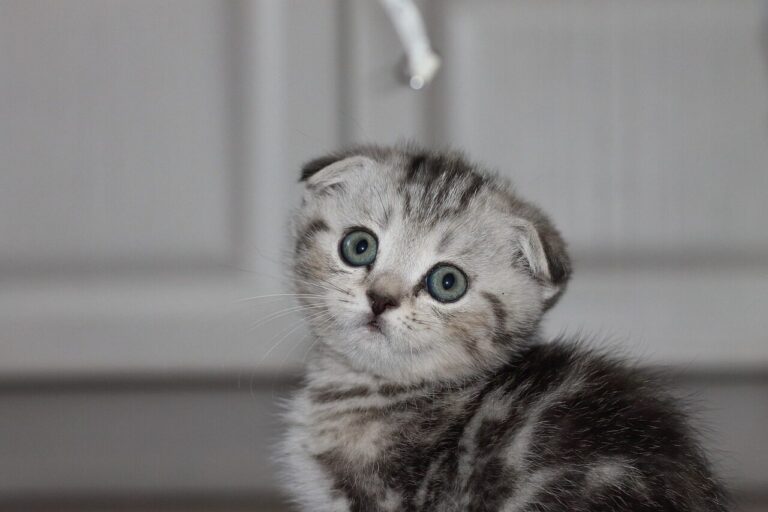
Scottish Fold
About the Breed
The Scottish Fold is a distinctive and highly recognizable cat breed known for its unique folded ears, large round eyes, and sweet, owl-like expression. These cats are admired for their gentle temperament, calm demeanor, and affectionate nature.
Scottish Folds are typically loving and adaptable companions. They often form close bonds with their families and enjoy staying nearby rather than constantly demanding attention. Many are playful, intelligent, and quietly entertaining, making them excellent companions for singles, families, and households with other pets.
The breed is available in both shorthaired and longhaired varieties (the longhaired variety is sometimes called the Highland Fold) and comes in a wide range of colors and patterns.
History
The Scottish Fold originated in Scotland in 1961 when a white barn cat named Susie was discovered with naturally folded ears caused by a spontaneous genetic mutation affecting cartilage.
Breeders selectively developed the breed for its unique appearance and sweet disposition. However, the same mutation responsible for the folded ears also affects cartilage and bone throughout the body, which has led to ongoing ethical discussions and increased emphasis on responsible breeding practices.
Height
Most Scottish Folds stand about 8–10 inches tall at the shoulder.
Weight
Females generally weigh 6–9 pounds.
Males commonly weigh 9–13 pounds, though some may be larger.
Life Expectancy
About 11–15 years is commonly cited, although longevity can vary depending on genetics and the severity of orthopedic disease.
Overall Health
Scottish Folds are particularly associated with osteochondrodysplasia, a hereditary disorder that affects cartilage and bone development. This condition is directly linked to the gene that creates the folded ears.
Common health concerns include:
Osteochondrodysplasia
Arthritis
Joint pain and stiffness
Tail rigidity
Difficulty jumping or moving comfortably
Hypertrophic cardiomyopathy
Polycystic kidney disease in some lines
Because of these concerns, prospective owners should work only with highly responsible breeders who avoid fold-to-fold matings and prioritize long-term health.
Health Testing They Should Have
Orthopedic monitoring
Cardiac screening for hypertrophic cardiomyopathy
PKD DNA testing when appropriate
Routine veterinary examinations
Genetic counseling and ethical breeding practices
Breed Traits and Characteristics
Scottish Folds are affectionate, gentle, and adaptable cats. They are known for their calm demeanor and close relationships with their families.
They are often described as:
Sweet and easygoing
Quiet and observant
Playful but not hyperactive
Patient with children
Good with other pets
Many Scottish Folds enjoy sitting beside their owners, sleeping in unusual positions, and quietly participating in daily household life.
Temperament Ratings
Affectionate with family: 9/10
Good with children: 8/10
Good with other pets: 8/10
Shedding level: 5/10
Watchfulness: 4/10
Energy level: 5/10
Grooming frequency: 3/10
Vocalization: 3/10
Coat Type
Scottish Folds may have either short or long coats.
Colors
The breed is recognized in a wide variety of colors, including white, black, blue, cream, red, silver, golden, and many others.
Markings
Solid, tabby, bi-color, tortoiseshell, smoke, shaded, and colorpoint patterns are all common.
Breed Standard Snapshot
The Scottish Fold should appear rounded and balanced with:
A broad round head
Large round eyes
Small ears folded forward and downward
A sturdy, well-padded body
A sweet and gentle expression
The overall appearance should be soft, rounded, and owl-like.
Exercise Needs
Scottish Folds have moderate exercise needs. Daily play and enrichment help maintain healthy weight and support joint mobility.
Training Needs
Scottish Folds are intelligent and adaptable. Many can learn:
Their name
Clicker training
Puzzle-solving games
Simple tricks
Interactive routines
They respond well to gentle, positive reinforcement and consistent handling.
Special Care Considerations
Monitor closely for signs of joint discomfort
Maintain a lean body condition
Provide soft bedding and easy-to-access resting spots
Schedule regular veterinary evaluations
Prioritize ethical breeding and health history
Breed Resources
CFA Scottish Fold Breed Profile