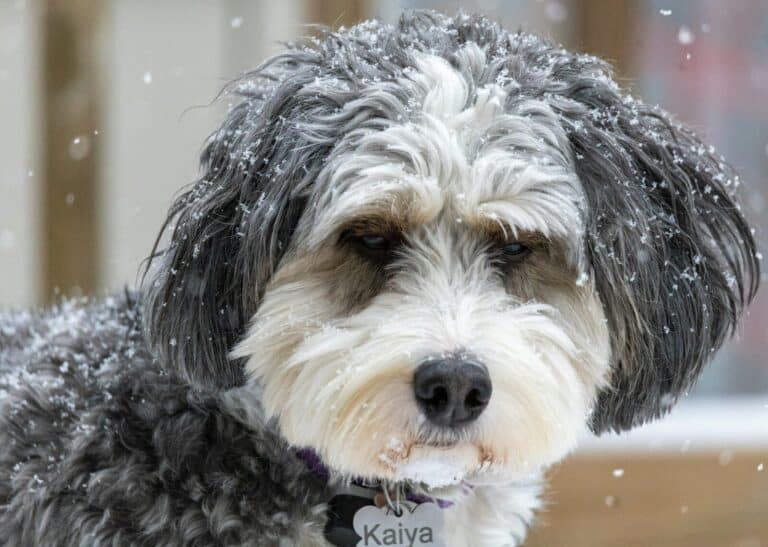
Schnoodle
About the Breed
The Schnoodle is a designer crossbreed created by combining the Schnauzer and the Poodle. This mix has become increasingly popular for its intelligence, affectionate personality, adaptable nature, and low-shedding coat potential. Schnoodles are often playful, highly social dogs that thrive on companionship and enjoy being deeply involved in family life. Because they come in multiple sizes depending on the parent breeds used, Schnoodles can fit into a wide variety of lifestyles and living situations.
They are often known for combining the alert and spirited personality of the Schnauzer with the intelligence and trainability associated with the Poodle. The result is typically an engaging companion with a lively personality and strong attachment to family members.
One thing that surprises many people about them is how intelligent and interactive they can be. While some people expect them to behave like relaxed lap dogs, many Schnoodles inherit strong problem-solving ability, alertness, curiosity, and energetic tendencies from both parent breeds.
They are frequently described as affectionate, intelligent, loyal, playful, alert, entertaining, energetic, and highly trainable.
They often form strong bonds with their owners and enjoy attention, interaction, and companionship. Many Schnoodles thrive when included in daily activities and can become bored or frustrated if left alone without enough mental stimulation or exercise.
Because appearance and temperament can vary significantly, prospective owners should understand that no two Schnoodles are exactly alike. Some inherit more Schnauzer-like traits, while others take more heavily after the Poodle.
History
This breed was developed by crossing the Schnauzer with the Poodle in an effort to combine desirable qualities from both breeds. Interest in this mix grew as people searched for companion dogs with intelligence, personality, trainability, and lower-shedding coat potential.
The Schnauzer originated in Germany and was originally developed as a versatile working farm dog. Schnauzers were used for guarding property, catching rodents, and assisting farmers with various tasks. Over time, they became admired for their alertness, loyalty, confidence, and energetic personalities.
There are three Schnauzer varieties:
Miniature Schnauzer
Standard Schnauzer
Giant Schnauzer
The type of Schnauzer used greatly affects the size, temperament, and energy level of the resulting Schnoodle.
The Poodle originated as a water retriever and is widely regarded as one of the most intelligent dog breeds in the world. Poodles are known for their trainability, athleticism, adaptability, and problem-solving ability.
By combining these two breeds, breeders hoped to create a dog with intelligence, strong companionship qualities, alertness, playfulness, trainability, and reduced shedding potential.
Because the Schnoodle is still considered a designer crossbreed rather than a purebred dog, there is substantial variation between individuals. Size, coat type, structure, temperament, and activity level may vary considerably depending on genetics and breeding practices.
Height
Most stand approximately 10 to 26 inches tall at the shoulder.
Height varies depending on parent size, genetics, generation, and overall body structure.
Mini Schnoodles bred from smaller parent dogs may remain compact and lightweight, while Giant Schnoodles can become large, athletic, and powerful dogs.
Weight
Generally weigh between 10 and 75 pounds depending on the breeding combination used.
Weight depends heavily on breeding lines, genetics, structure, parent size, and overall body condition.
Some remain compact companion dogs, while others inherit a sturdier and more athletic build from larger parent breeds.
Responsible breeders should prioritize healthy structure and sound movement rather than focusing only on appearance or extreme sizes.
Life Expectancy
The average life expectancy is approximately 10 to 16 years.
Smaller Schnoodles often live longer than larger varieties. Proper veterinary care, healthy nutrition, exercise, preventative care, and responsible breeding practices all contribute significantly to longevity and quality of life.
Overall Health
They are generally considered relatively healthy dogs when responsibly bred, though they may inherit health concerns associated with either parent breed.
Potential health concerns can include hip dysplasia, patellar luxation, progressive retinal atrophy, cataracts, eye disorders, thyroid disease, allergies, skin irritation, ear infections, dental disease, epilepsy, bloat in larger varieties, and sebaceous adenitis.
Because many Schnoodles inherit dense or curly coats, proper grooming and skin maintenance are important for overall comfort and health.
Smaller ones may also be prone to dental disease, making routine dental care especially important throughout life.
Maintaining a healthy weight also helps reduce stress on joints and supports mobility throughout adulthood and senior years.
Health Testing They Should Have
Responsible breeders should prioritize extensive health testing before breeding.
Recommended evaluations may include hip evaluations, patellar evaluations, eye examinations, cardiac screening, thyroid testing, DNA screening relevant to both parent breeds, structural evaluations, and temperament assessments.
Breeders should focus on stable temperament, healthy movement, structural soundness, proper socialization, and overall health.
Potential buyers should always ask about health testing performed on both parent dogs and request documentation whenever available.
Breed Traits and Characteristics
This breed is intelligent, affectionate, playful, and highly interactive companions.
Common personality traits include curiosity, alertness, confidence, loyalty, trainability, social behavior, affection, and playfulness.
Many Schnoodles inherit the Schnauzer’s watchdog instincts and may bark or alert their owners when strangers approach.
Some are highly social and outgoing, while others may be more reserved depending on genetics and socialization.
Because they are intelligent dogs, Schnoodles generally learn quickly. However, some may inherit stubbornness or independence from the Schnauzer side, which can occasionally make training more challenging for inexperienced owners.
Mental stimulation is extremely important for this breed. When bored they may develop undesirable behaviors such as excessive barking, digging, destructive chewing, or hyperactivity.
Providing structure, interaction, and regular activities helps support balanced behavior.
Temperament Ratings
Affectionate with family: 9/10
Good with young children: 8/10
Good with other dogs: 8/10
Shedding level: 2/10 to 5/10 depending on coat type
Watchdog/protective nature: 7/10
Energy level: 7/10
Grooming frequency: 9/10
Drooling level: 1/10
Coat Type
Their coat can vary significantly depending on genetics.
Possible coat textures include curly, wavy, soft, shaggy, wiry, dense, and fluffy.
Some Schnoodles inherit a curlier Poodle-like coat, while others display rougher or wirier coats more similar to the Schnauzer.
Many are considered lower shedding, though coat maintenance is often extensive.
Routine grooming generally includes frequent brushing, professional grooming appointments, nail trimming, ear cleaning, facial trimming, and dental care.
Regular brushing helps prevent tangles, matting, and skin irritation while maintaining overall coat health.
Colors
They come in a wide variety of colors and combinations.
Common colors include black, silver, gray, salt and pepper, white, cream, brown, chocolate, apricot, and parti-color combinations.
Some coats may lighten or change slightly as the dog matures.
Eye color may vary as well and can include brown, hazel, amber, or lighter shades depending on genetics.
Markings and Patterns
They may display Schnauzer-style facial markings, parti patterns, phantom markings, mixed patterns, solid coloring, or abstract coat variations.
Appearance varies greatly between individual dogs because the Schnoodle is not a standardized breed.
Breed Standard / Crossbreed Note
There is no universally recognized breed standard for the Schnoodle.
Responsible breeders should focus on producing healthy, stable dogs with good temperament and sound structure rather than trying to create an exact appearance.
Variation in size, coat, structure, temperament, and energy level is completely normal within this crossbreed.
Potential owners should understand that no breeder can guarantee an exact appearance or personality.
Exercise Needs
Schnoodles require regular physical activity and mental stimulation.
Most benefit from daily walks, structured play, interactive games, puzzle toys, training sessions, outdoor adventures, and social interaction.
Larger and more athletic Schnoodles may require significantly more exercise than smaller companion varieties.
Without adequate activity, some may become frustrated, vocal, or destructive.
Because they are highly intelligent, mental stimulation is just as important as physical exercise.
Training Needs
These dogs are highly intelligent and generally eager to learn.
Training should begin early and include socialization, basic obedience, leash manners, exposure to new environments, and confidence-building experiences.
Positive reinforcement methods usually work best.
Many respond well to treat-based training, interactive games, short engaging sessions, and consistent routines.
Harsh training methods are generally not effective and may create fear or resistance.
Consistency and patience are important because some Schnoodles inherit independent thinking from the Schnauzer side.
Grooming Requirements
They require regular grooming because of their dense or curly coats.
Routine maintenance typically includes brushing multiple times weekly, professional grooming, coat trimming, ear cleaning, nail trimming, and dental care.
Without regular grooming, curly or dense coats may mat quickly and become uncomfortable.
Routine grooming also helps support healthy skin and overall coat condition.
Living Environment
They can adapt to several living situations provided they receive adequate exercise and mental stimulation.
They may do well in apartments, homes with fenced yards, suburban households, active homes, and multi-pet environments.
However, because of their intelligence and social nature, they are generally not ideal for households where they are left isolated for extended periods.
These dogs thrive best when included regularly in family activities and routines.
Compatibility With Children and Other Pets
Many are affectionate and social with family members and can do very well with children and other pets when properly socialized.
They are often playful, interactive, friendly, energetic, and entertaining.
However, supervision is still important, especially with very young children or smaller Schnoodles that may be more delicate.
Some may inherit strong alert or guarding tendencies and may need additional socialization around unfamiliar people or animals.
Early socialization helps encourage balanced and confident behavior.
Common Misconceptions
One common misconception is that all Schnoodles are completely hypoallergenic. In reality, no dog is truly 100% hypoallergenic, and allergy responses vary from person to person.
Another misconception is that they all have identical personalities or appearances. Because they are crossbreeds, variation is completely normal.
Some are highly energetic and athletic, while others are calmer and more companion-oriented.
Is the Schnoodle Right for Everyone?
They can make excellent companions for active owners willing to invest time into exercise, training, grooming, socialization, and mental stimulation.
However, they may not be ideal for people seeking a completely low-maintenance dog, minimal grooming, or a totally predictable temperament.
Potential owners should realistically evaluate their lifestyle before choosing this breed.
Final Thoughts
The Schnoodle combines the alert and spirited personality of the Schnauzer with the intelligence and trainability of the Poodle. The result is often an affectionate, entertaining, energetic, and highly interactive companion that forms strong bonds with its family.
Although they can be incredibly loyal and adaptable dogs, they also require regular grooming, consistent training, exercise, mental stimulation, and companionship. Their intelligence and social personalities mean they thrive best with engaged owners who enjoy interacting with their dogs regularly.
Because appearance and temperament vary significantly within crossbreeds, working with responsible breeders who prioritize health, temperament, socialization, and structural soundness is extremely important.
For families and individuals looking for a playful, intelligent, and affectionate companion with a lively personality and adaptable nature, the Schnoodle can be an incredibly rewarding addition to the family.
Breed Resources
AKC Miniature Schnauzer page
AKC Poodle page
American Miniature Schnauzer Club
Poodle Club of America