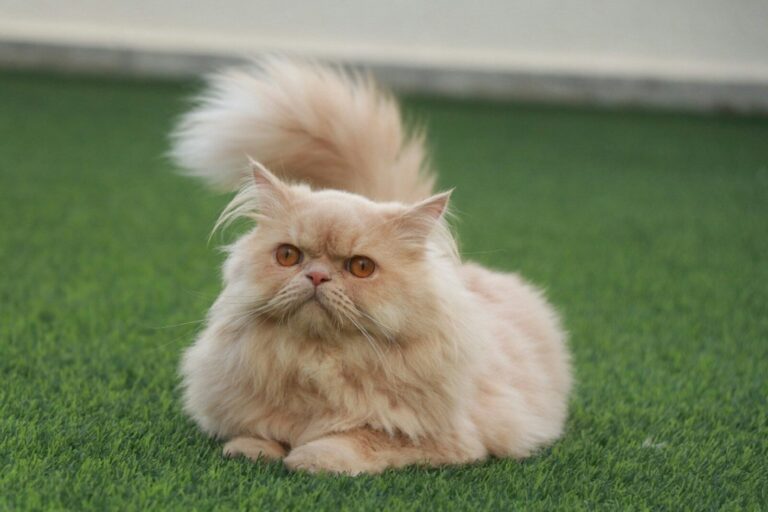
Persian
About the Breed
The Persian is one of the most iconic and recognizable cat breeds in the world. Known for its luxurious long coat, large round eyes, short muzzle, and calm, affectionate temperament, the Persian has been a favorite companion of cat lovers for generations.
These cats are gentle, sweet-natured cats that generally prefer a quiet and predictable environment. They enjoy spending time with their families and are often affectionate without being overly demanding. Many are content to lounge nearby, sit in laps, and observe household activities from a comfortable perch.
Although playful as kittens, most of these cats mature into relaxed, low-key companions that appreciate a peaceful routine and consistent handling.
History
This breed is one of the oldest and most established cat breeds. Long-haired cats from Persia (modern-day Iran) and surrounding regions were introduced to Europe in the 1600s, where they quickly became highly prized by nobility and cat enthusiasts.
Over generations, selective breeding refined the breed into the modern Persian, known for its plush coat, broad head, and distinctive facial features.
Today, they remain one of the most popular and widely recognized pedigree cat breeds worldwide.
Height
Most stand about 10–15 inches tall at the shoulder.
Weight
Females generally weigh 7–12 pounds.
Males commonly weigh 9–14 pounds, though some may be larger.
Life Expectancy
About 12–17 years is commonly cited, and many of them live long lives with proper care and regular veterinary monitoring.
Overall Health
They are generally loving companions, but they can be predisposed to several inherited and structural health concerns.
Common issues include:
Polycystic kidney disease (PKD)
Hypertrophic cardiomyopathy (HCM)
Brachycephalic airway issues
Excessive tearing and eye drainage
Dental crowding and periodontal disease
Heat intolerance
Skin and coat problems if grooming is neglected
Because of their flat facial structure, some Persians may experience breathing difficulties and require careful monitoring in hot or stressful conditions.
Health Testing They Should Have
PKD DNA testing
Cardiac screening for hypertrophic cardiomyopathy
Routine ophthalmic examinations
Regular dental evaluations
Routine veterinary screening
Genetic testing recommended by the breeder
Breed Traits and Characteristics
These cats are calm, affectionate, and dignified cats. They tend to be quiet and gentle, preferring stable surroundings and a predictable routine.
They are often described as:
Sweet and relaxed
Loyal and affectionate
Low energy
Quiet and undemanding
Well suited to indoor living
Many of them enjoy lap time, soft bedding, and tranquil environments.
Temperament Ratings
Affectionate with family: 9/10
Good with children: 7/10
Good with other pets: 8/10
Shedding level: 9/10
Watchfulness: 3/10
Energy level: 3/10
Grooming frequency: 10/10
Vocalization: 3/10
Coat Type
The Persian has a long, dense, silky coat with a thick undercoat that requires daily maintenance.
Colors
Persians are recognized in a wide variety of colors including white, black, blue, cream, red, chocolate, lilac, and many more.
Markings
Solid, tabby, tortoiseshell, bi-color, shaded, smoke, silver, golden, and colorpoint patterns are all seen in the breed.
Breed Standard Snapshot
They should appear cobby, balanced, and heavily boned with:
A broad round head
Full cheeks
Large round eyes
A short nose
Small rounded ears
A compact body
A thick, luxurious coat
The overall expression should be sweet and open.
Exercise Needs
They have relatively low exercise needs, but they still benefit from gentle daily play to maintain muscle tone and prevent obesity.
Training Needs
Persians are intelligent and adaptable. They can learn household routines, litter habits, and interactive games, though they are generally less driven than more active breeds.
Special Care Considerations
Daily brushing and combing
Regular bathing
Frequent eye cleaning
Routine dental care
Weight monitoring
Protection from excessive heat
Indoor-only lifestyle for coat and health protection
Breed Resources