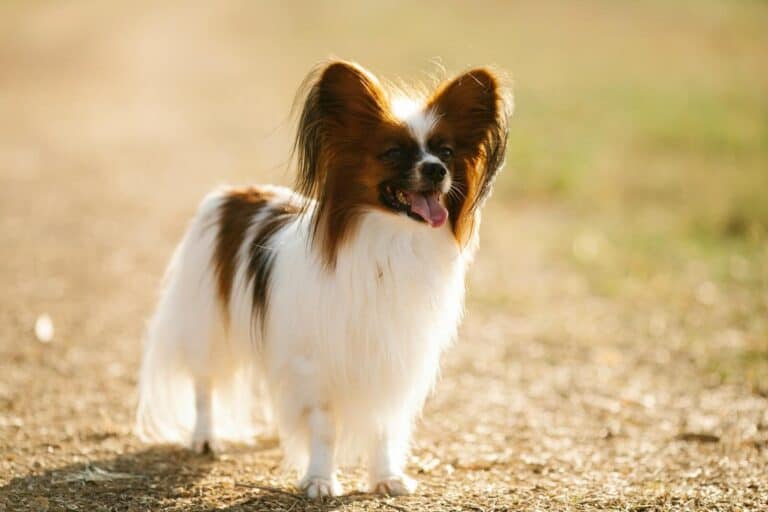
Papillon
About the Breed
The Papillon is a small toy breed known for its elegant appearance, butterfly-like ears, intelligence, and lively personality. Despite its delicate and refined look, this breed is energetic, athletic, and surprisingly adventurous. These dogs are often highly social companions that thrive on attention, interaction, and mental stimulation.
One of the most recognizable features of the breed is its large fringed ears, which resemble butterfly wings. In fact, the name “Papillon” means “butterfly” in French. Some individuals are born with dropped ears instead of upright ears, and those dogs are known as the Phalène variety, meaning “moth.” Both ear types belong to the same breed and share the same basic temperament and structure.
Although very small in size, these dogs are often fearless, alert, and full of personality. Many owners are surprised by how athletic and intelligent they can be. They are not typically fragile lap dogs that want to spend all day resting. Instead, most individuals are curious, active, and eager to participate in games, training, and family activities.
This breed is widely admired for combining elegance with intelligence. These dogs frequently excel in obedience, agility, trick training, and canine sports because of their quick learning ability and eagerness to engage with people.
These dogs are commonly described as affectionate, intelligent, lively, alert, playful, graceful, social, and highly trainable.
History
The history of this breed dates back several centuries in Europe, where small spaniel-type companion dogs became popular among royalty and nobility. Paintings from the Renaissance period often depict tiny long-haired toy spaniels sitting beside queens, aristocrats, and wealthy families.
Early ancestors of the breed likely originated in continental Europe and were selectively bred over generations for companionship, elegance, intelligence, and portability. Over time, breeders favored the distinctive large fringed ears that eventually became one of the breed’s defining features.
Historically, these dogs were especially popular in France, Belgium, Spain, and Italy. They became closely associated with royal households and wealthy families because of their refined appearance and affectionate personalities.
Despite their aristocratic reputation, these dogs also developed a reputation for intelligence and versatility. They were not simply decorative companions. Many individuals demonstrated exceptional trainability and awareness, qualities still strongly associated with the breed today.
Over time, the modern appearance became standardized, and the breed gained international recognition as one of the most elegant and intelligent toy breeds in the world.
Today, these dogs continue to excel in:
Companionship
Agility
Obedience
Trick training
Therapy work
Canine sports
Performance competitions
Their combination of beauty and intelligence remains one of their greatest strengths.
Height
Most individuals stand approximately 8 to 11 inches tall at the shoulder.
Proper structure should appear balanced, elegant, fine-boned, and athletic without appearing fragile or weak.
Weight
Most adults weigh approximately 5 to 10 pounds.
Although small, healthy individuals should appear agile and proportionate rather than excessively delicate.
Maintaining healthy body condition is important for supporting joint health and overall mobility throughout life.
Life Expectancy
The average life expectancy is approximately 13 to 16 years.
With proper care, many individuals live long and active lives well into their senior years.
Proper nutrition, regular veterinary care, dental maintenance, exercise, and responsible breeding all contribute significantly to longevity and quality of life.
Overall Health
This breed is generally considered relatively healthy when responsibly bred, though several inherited health concerns may still occur.
Potential health concerns may include:
Patellar luxation
Progressive retinal atrophy
Eye disorders
Dental disease
Tracheal collapse
Heart disease
Fontanel issues
Hypoglycemia in puppies
Collapsed trachea
Because of their small size, dental care is especially important. Toy breeds are often more prone to dental disease and tooth loss if oral hygiene is neglected.
Although active and athletic, these dogs may also be vulnerable to injury from rough handling or accidental falls because of their lightweight structure.
Health Testing They Should Have
Responsible breeders should prioritize comprehensive health testing before breeding.
Recommended evaluations may include:
Patellar evaluations
Eye examinations
Cardiac screening
DNA testing relevant to the breed
Structural evaluations
Temperament assessments
Breeding dogs should demonstrate:
Stable temperament
Healthy movement
Proper structure
Sound vision
Overall physical health
Potential buyers should always ask breeders about health testing performed on parent dogs and request documentation whenever possible.
Breed Traits and Characteristics
This breed is known for combining elegance with exceptional intelligence and energy.
Common personality traits include:
Affection
Curiosity
Alertness
Trainability
Playfulness
Confidence
Social behavior
Loyalty
Many individuals are highly people-oriented and thrive on companionship and interaction.
These dogs often bond closely with family members and may strongly prefer being involved in daily activities rather than left alone for extended periods.
Despite their toy breed classification, these dogs are often surprisingly athletic. Many excel in agility and advanced obedience because of their quick learning ability and eagerness to engage mentally.
Without enough mental stimulation, some individuals may become bored or vocal.
Regular opportunities for:
Training
Games
Interactive toys
Socialization
Exercise
Learning activities
help support balanced behavior and emotional well-being.
Temperament Ratings
Affectionate with family: 10/10
Good with young children: 7/10
Good with other dogs: 8/10
Shedding level: 4/10
Watchdog/protective nature: 6/10
Energy level: 8/10
Grooming frequency: 6/10
Drooling level: 1/10
Coat Type
This breed has a long, silky, fine-textured single coat without a heavy undercoat.
The coat is known for being soft, flowing, and elegant while remaining lighter and less dense than many long-haired breeds.
Routine grooming generally includes:
Regular brushing
Ear cleaning
Nail trimming
Dental care
Occasional bathing
Because there is no heavy undercoat, matting is usually less severe compared to many coated breeds, though feathering areas still require maintenance.
The ears, tail, chest, and legs often display longer feathering that contributes to the breed’s elegant appearance.
Colors
This breed is commonly seen in white combined with patches of:
Black
Red
Sable
Lemon
Brown
Most individuals display colored markings over a primarily white base coat.
Markings and Patterns
The breed is known for symmetrical facial markings and dramatic ear fringes.
Common markings may include:
Facial blaze
Colored ears
Body patches
White chest
Feathered tail
Balanced markings and an alert expression are highly valued within breed standards.
Breed Standard
Breed standards emphasize a dog that is elegant, alert, intelligent, balanced, and light on its feet.
Responsible breeders should prioritize:
Stable temperament
Healthy movement
Proper structure
Elegant appearance
Trainability
Overall health
Movement should appear smooth, effortless, graceful, and agile.
Exercise Needs
Although small, these dogs are energetic and require regular exercise and mental stimulation.
Most individuals benefit from:
Daily walks
Structured play
Training sessions
Puzzle toys
Interactive games
Agility activities
Social interaction
Many people underestimate the exercise needs of toy breeds, but these dogs are often highly active and mentally engaged.
Without enough stimulation, boredom and unwanted behaviors may develop.
Training Needs
This breed is exceptionally intelligent and often learns very quickly.
Training should begin early and include:
Socialization
Basic obedience
Leash manners
Exposure to different environments
Confidence-building experiences
Positive reinforcement methods usually produce the best results.
These dogs often excel in:
Agility
Obedience
Trick training
Canine sports
Rally
Therapy work
Because of their intelligence and sensitivity, harsh correction is generally unnecessary and may negatively affect confidence.
Consistency, patience, and positive interaction typically produce excellent results.
Grooming Requirements
Grooming needs are moderate compared to many long-coated breeds.
Routine care generally includes:
Regular brushing
Ear cleaning
Nail trimming
Dental care
Occasional bathing
The coat does not usually require extensive trimming.
Dental maintenance is especially important because smaller breeds are often prone to tartar buildup and dental disease.
Living Environment
These dogs adapt well to a variety of living situations provided they receive adequate companionship and stimulation.
They often do well in:
Apartments
Condos
Family homes
Senior households
Active homes
Because of their social personalities, they generally do not enjoy prolonged isolation.
These dogs thrive best when included in family life and daily routines.
Compatibility With Children and Other Pets
Many individuals are affectionate and social with family members and can do well with children and other pets when properly socialized.
They are often:
Friendly
Interactive
Playful
Curious
Social
Because of their small size, supervision is important around very young children to prevent accidental injury.
Early socialization helps encourage balanced and confident behavior around people and animals.
Common Misconceptions
One common misconception is that toy breeds are unintelligent or fragile companions incapable of serious training.
In reality, this breed is widely considered one of the most intelligent and trainable toy breeds in the world.
Another misconception is that small dogs do not require exercise or mental stimulation. These dogs are often highly energetic and thrive when given opportunities to learn and stay active.
Some owners are also surprised by how athletic and adventurous these dogs can be despite their refined appearance.
Is This Breed Right for Everyone?
This breed can make an exceptional companion for owners willing to invest time into:
Training
Socialization
Mental stimulation
Companionship
Regular grooming
Exercise
However, these dogs may not be ideal for people seeking:
Highly independent personalities
Minimal interaction
Rough handling environments
Very low-energy companions
Potential owners should realistically evaluate their lifestyle before bringing one home.
Intelligence and Performance Ability
This breed is widely recognized for exceptional intelligence and trainability.
Many individuals learn commands quickly and often retain information remarkably well. Their eagerness to engage with people makes them highly successful in advanced training activities.
These dogs regularly compete successfully in:
Agility
Obedience
Rally
Freestyle
Trick competitions
Their speed, coordination, and enthusiasm allow them to perform at levels many people do not expect from a toy breed.
Mental stimulation is extremely important because intelligent dogs can become frustrated or vocal without enough engagement.
Final Thoughts
The Papillon combines elegance, intelligence, athleticism, and affection into one of the most remarkable toy breeds in the world. Originally developed as a companion dog for European nobility, this breed continues to stand out because of its graceful appearance, lively personality, and exceptional trainability.
Although small in size, these dogs are often energetic, adventurous, and deeply attached to their families. They thrive best in homes where companionship, interaction, training, and mental stimulation are part of everyday life.
For owners prepared to meet their emotional, physical, and social needs, this breed can become an extraordinarily loving, entertaining, and rewarding lifelong companion.
Breed Resources
AKC Papillon page: AKC Papillon page
Papillon Club of America: Papillon Club of America
UKC breed reference: UKC Papillon