
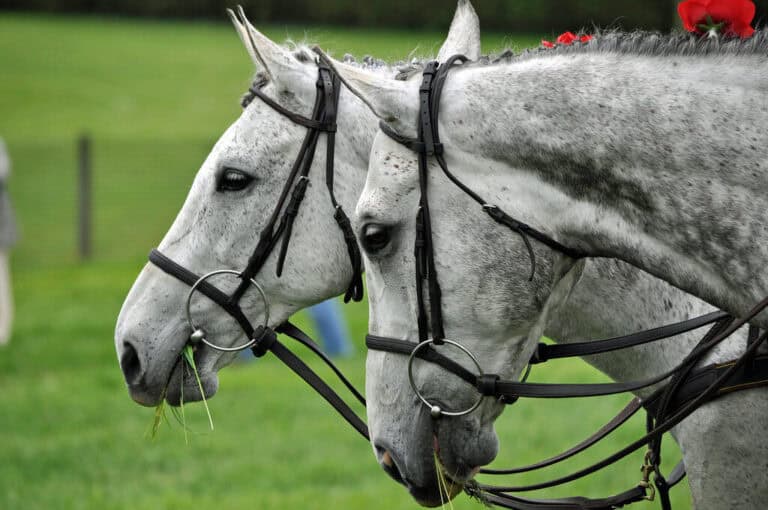
Ownership Basics
Horse Ownership Basics
Owning a horse is a rewarding experience, but it is also one of the biggest responsibilities in the animal world. Horses require daily care, financial commitment, time, knowledge, and long-term planning. While many people dream about horse ownership, the reality involves much more than riding alone.
Before bringing a horse home, it is important to understand the full picture of what horse ownership actually involves. Horses are large, powerful animals that depend on consistent care, proper nutrition, safe housing, medical attention, training, and daily management. Preparation and education are essential for creating a safe and successful experience for both the horse and owner.
Horse ownership can be incredibly fulfilling, but it works best when expectations are realistic and owners are fully prepared for the level of commitment involved.
Understanding the Commitment
Owning a horse is not a short-term hobby or occasional responsibility. Horses require care every single day regardless of weather, holidays, schedules, or personal plans.
Daily responsibilities may include:
Feeding
Water checks
Stall cleaning
Turnout
Exercise
Grooming
Health monitoring
Training
Cleaning equipment
Facility maintenance
Unlike many smaller pets, horses cannot simply be left alone for extended periods without planning and supervision.
Horse ownership also involves long-term responsibility. Many horses live well into their twenties or even thirties with proper care.
Before purchasing or adopting a horse, ask yourself:
Do I have enough time daily?
Am I financially prepared?
Do I have experience handling horses?
Can I manage emergencies?
Do I have safe housing available?
Am I prepared for long-term care?
Understanding the commitment realistically helps create safer and more successful outcomes.
Costs of Horse Ownership
One of the biggest surprises for first-time owners is the true cost of horse ownership.
The initial purchase price is often only a small portion of the total long-term expense involved.
Ongoing horse expenses may include:
Boarding
Hay and feed
Veterinary care
Farrier services
Dental care
Supplements
Blankets
Training
Tack and equipment
Transportation
Emergency medical care
Insurance if desired
Routine costs alone can add up quickly, and emergency veterinary care can become extremely expensive without warning.
Horse owners should always budget for unexpected situations such as injuries, illness, or equipment replacement.
Boarding vs Keeping a Horse at Home
One of the first decisions horse owners make is whether to board their horse or keep them at home.
Boarding facilities may offer:
Daily feeding
Stall cleaning
Turnout
Arena access
Training programs
Trail access
Facility management
On-site supervision
Boarding can be helpful for owners who do not own property or who want access to riding facilities and experienced staff.
However, boarding costs vary significantly depending on:
Location
Facility quality
Services included
Training access
Amenities
Keeping a horse at home provides more control and flexibility, but it also requires:
Land
Shelter
Fencing
Feed storage
Daily maintenance
Manure management
Equipment storage
Safe pasture management
Many first-time owners underestimate the amount of labor and management involved with keeping horses at home.
Feeding and Nutrition
Proper nutrition is one of the most important parts of horse care.
Horses require balanced diets based on:
Age
Workload
Health
Weight
Activity level
Metabolism
Breed type
Most horses require consistent access to forage, which may include:
Hay
Pasture grazing
Alfalfa
Grass hay
Some horses may also require grain, supplements, or specialized diets depending on their condition and workload.
Fresh clean water is critical at all times.
Nutritional mistakes can lead to serious health problems, including:
Colic
Weight loss
Laminitis
Digestive issues
Poor coat condition
Behavioral changes
Working with a veterinarian or equine nutrition professional can help owners develop an appropriate feeding plan.
Shelter and Housing
Horses require safe and appropriate shelter.
Housing may include:
Stalls
Run-in sheds
Barns
Pasture shelters
Dry lots
Shelter should provide protection from:
Rain
Snow
Extreme heat
Wind
Harsh weather conditions
Safe fencing is also extremely important.
Unsafe fencing can cause serious injuries, especially if horses become frightened or entangled.
Common fencing types include:
Wood fencing
Vinyl fencing
No-climb wire
Electric fencing
Horse-safe mesh fencing
Barbed wire is generally considered unsafe for horses in most situations.
Daily Horse Care
Daily care involves much more than feeding alone.
Horse owners should monitor:
Appetite
Water intake
Movement
Attitude
Hoof condition
Injuries
Weight
Behavior
Changes in behavior or appetite can sometimes indicate illness or injury.
Daily routines may include:
Grooming
Cleaning stalls
Checking fences
Inspecting pasture
Refilling water
Exercising the horse
Cleaning tack
Monitoring health
Consistency is extremely important in horse management.
Grooming and Coat Care
Grooming helps keep horses clean, comfortable, and healthy.
Basic grooming may include:
Brushing
Hoof cleaning
Mane and tail care
Bathing when necessary
Checking for cuts or swelling
Grooming also allows owners to monitor:
Skin condition
Weight changes
Injuries
Heat or swelling
Parasites
Most horse owners use grooming as both care and bonding time.
Hoof Care and Farrier Work
Hoof care is one of the most important parts of horse ownership.
Horses require regular hoof trimming and sometimes shoeing by a professional farrier.
Most horses need hoof care approximately every 4–8 weeks depending on:
Growth rate
Environment
Workload
Hoof condition
Poor hoof care can lead to:
Lameness
Cracks
Infections
Pain
Long-term structural issues
Regular hoof maintenance is essential for soundness and overall health.
Veterinary Care
Routine veterinary care is a necessary part of responsible horse ownership.
Regular veterinary care may include:
Vaccinations
Dental care
Deworming
Wellness exams
Lameness evaluations
Emergency treatment
Horses can experience serious medical emergencies such as:
Colic
Lacerations
Laminitis
Respiratory illness
Injuries
Eye injuries
Emergency veterinary care can become very expensive, which is why financial preparation matters so much.
Some owners also choose to carry equine insurance to help manage large veterinary costs.
Dental Care
Horse dental care is often overlooked by beginners.
Horses require regular dental exams and floating because their teeth continuously grow and wear unevenly over time.
Dental issues can lead to:
Weight loss
Difficulty eating
Behavioral changes
Poor performance
Pain
Most horses require dental care approximately once per year, though needs vary individually.
Exercise and Activity
Horses need regular movement and exercise for both physical and mental health.
Exercise may include:
Riding
Turnout
Groundwork
Trail riding
Training
Lunging
Pasture movement
Horses kept stalled for long periods without movement can develop behavioral and health issues.
Different horses also require different activity levels depending on:
Age
Breed
Fitness
Temperament
Training level
Training and Education
Training is an ongoing process throughout a horse’s life.
Even experienced horses require consistency and regular handling.
Training may involve:
Ground manners
Trailer loading
Riding skills
Desensitization
Behavior correction
Confidence-building
Young or inexperienced horses may require professional training, especially for beginner owners.
Horse owners should also continue educating themselves regularly about:
Behavior
Safety
Nutrition
Health
Handling techniques
Riding skills
The learning process never fully stops in horse ownership.
Horse Behavior and Safety
Horses are prey animals with strong instincts and powerful reactions.
Understanding horse behavior is extremely important for safety.
Horses can react quickly to:
Fear
Pain
Confusion
Sudden movement
Loud noises
New environments
Owners should always handle horses calmly and confidently while remaining aware of body language and surroundings.
Basic safety practices include:
Wearing proper footwear
Using safe equipment
Avoiding unsafe handling situations
Learning proper leading techniques
Understanding horse behavior cues
Safety should always remain a priority around horses.
Tack and Equipment
Horse ownership also requires a large amount of equipment.
Basic tack and supplies may include:
Halters
Lead ropes
Saddles
Bridles
Saddle pads
Grooming kits
Blankets
Fly masks
Buckets
First aid supplies
Storage containers
Equipment costs can add up quickly, especially when purchasing quality tack that fits properly.
Poorly fitting equipment can cause discomfort, injuries, and behavioral problems.
Transportation
Transporting horses requires additional planning and equipment.
Transportation may involve:
Horse trailers
Professional haulers
Health certificates
Travel planning
Emergency preparation
Trailer safety is extremely important because horses can become stressed during travel.
Some owners choose to hire professional transporters instead of hauling horses themselves.
Time Commitment
Many first-time owners underestimate the amount of time horses require.
Daily horse care can involve:
Feeding
Cleaning
Exercise
Grooming
Travel
Training
Health monitoring
Facility maintenance
Owning a horse often becomes part of your daily lifestyle and schedule rather than a simple hobby.
Emotional Responsibility
Horse ownership also involves emotional responsibility.
Horses form strong routines and often build close bonds with their caretakers.
There will likely be challenges throughout ownership, including:
Training struggles
Health concerns
Financial stress
Unexpected emergencies
Emotional attachment
Patience and consistency are extremely important during difficult periods.
Choosing the Right Horse
Choosing the right horse is one of the most important decisions new owners make.
The “right” horse is not always the youngest, prettiest, or most athletic.
Instead, focus on:
Temperament
Training level
Safety
Compatibility
Experience level
Confidence level
Goals
Beginner riders are often safest with experienced, calm horses rather than young or inexperienced horses requiring advanced handling.
Matching the horse realistically to the rider’s experience level helps create safer and more successful outcomes.
The Importance of Routine
Horses thrive on routine and consistency.
Regular schedules help horses feel more secure and predictable.
Consistent routines may include:
Feeding schedules
Turnout schedules
Exercise routines
Training sessions
Stable management
Sudden routine changes can sometimes create stress or behavioral changes.
Weather and Seasonal Care
Horse care changes throughout the year depending on weather and climate.
Owners may need to adjust:
Blanketing
Water management
Fly control
Shelter access
Feeding programs
Pasture management
Extreme temperatures require additional attention and planning.
Winter can involve frozen water, mud, and additional feed needs, while summer may require fly protection and hydration management.
Emergency Preparedness
Emergency planning is a very important part of horse ownership.
Owners should prepare for:
Injuries
Illness
Natural disasters
Trailer emergencies
Evacuation planning
Power outages
Severe weather
Keeping emergency contact information and first aid supplies accessible is extremely important.
Final Thoughts
Horse ownership is rewarding, but it also comes with major responsibility, financial commitment, daily care requirements, and ongoing education.
Owning a horse involves far more than riding alone. Feeding, grooming, veterinary care, training, facility management, safety, and long-term planning all become part of daily life.
Preparation, realistic expectations, and continued learning are essential for creating a safe and successful experience for both horse and owner.
While the responsibilities can feel overwhelming at times, many horse owners find the bond, partnership, and experiences they build with their horses incredibly meaningful and rewarding.
The key to successful horse ownership is understanding the commitment fully before bringing a horse home and continuing to learn throughout the journey.
Helpful links
United States Pony Clubs
https://ponyclub.org/
American Farrier’s Association
https://americanfarriers.org/
Certified Horsemanship Association
https://cha.horse/
The Humane Society of the United States – Horse Care
https://www.humanesociety.org/all-our-fights/protecting-horses
ASPCA Equine Resources
https://www.aspca.org/improving-laws-animals/public-policy/horse-welfare
Centers for Disease Control and Prevention (CDC) – Healthy Pets
https://www.cdc.gov/healthypets/
SmartPak Equine Learning Center
https://www.smartpakequine.com/learn-health
Horse Illustrated
https://www.horseillustrated.com/
Equus Magazine
https://equusmagazine.com/
Pet Poison Helpline – Horse Toxins
https://www.petpoisonhelpline.com/pet-safety-tips/horse-poisonous-plants/