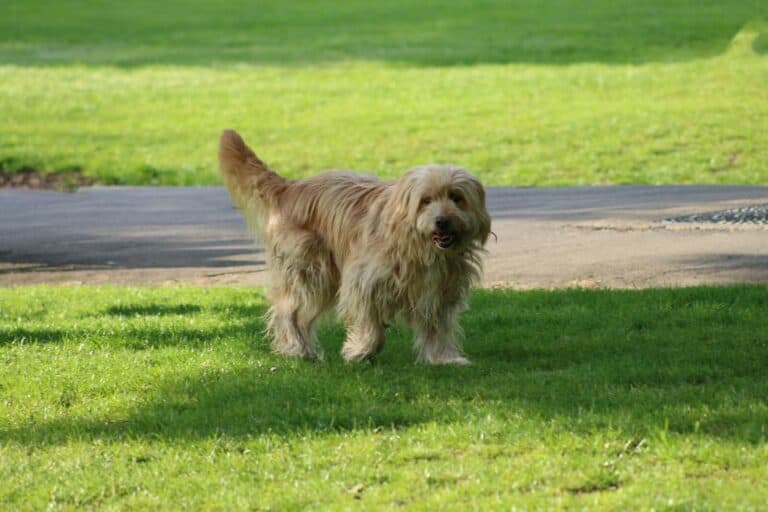
Otterhound
About the Breed
The Otterhound is a large, rugged scent hound known for its shaggy waterproof coat, webbed feet, and exceptional nose. Originally developed to track otters through rivers and marshes, this rare breed combines strength, endurance, and a surprisingly gentle personality. Otterhounds are friendly, outgoing, and often described as clownish companions with a strong independent streak.
This breed is built for hard work in wet and challenging terrain. Their rough double coat protects them from cold water, while their large feet and loose skin help them move efficiently through mud and streams. Their sense of smell is among the most powerful in the canine world, allowing them to follow scent trails for long distances with remarkable accuracy.
Despite their impressive working background, they are affectionate and sociable at home. They typically get along well with children and other dogs and enjoy being part of family activities. However, they are energetic and vocal, with a deep bay that can carry over long distances. Otterhounds need regular exercise, mental stimulation, and consistent training to thrive.
Because they are extremely rare, finding a well-bred puppy may require patience and travel. Responsible breeders focus on preserving the breed’s health, temperament, and unique characteristics while carefully managing genetic diversity.
History
This breed originated in medieval England, where hunters needed a specialized dog capable of tracking otters that were damaging fish populations in rivers and ponds. Breeders combined various scent hounds and water-loving dogs to create a powerful swimmer with a waterproof coat, webbed feet, and an extraordinary nose.
The breed became highly valued by nobility and sporting enthusiasts for its ability to work both on land and in water. Otterhound packs were maintained throughout England for centuries, and the breed developed a reputation for endurance, determination, and exceptional scenting ability.
When otter hunting was banned in England in 1978, the breed lost its primary purpose and its numbers declined dramatically. Today, the Otterhound is considered one of the rarest dog breeds in the world. Dedicated breeders and enthusiasts continue working to preserve this historic hound and protect its future.
Height
Males are generally about 27 inches tall or more. Females are slightly smaller.
Weight
Most Otterhounds weigh about 80 to 115 pounds.
Life Expectancy
The typical life expectancy is about 10 to 13 years.
Overall Health
Otterhounds may be prone to hip and elbow dysplasia, bloat, epilepsy, and certain bleeding disorders.
Health Testing They Should Have
Responsible breeders should test for hip and elbow dysplasia, cardiac screening, bleeding disorders where appropriate, and general structural and temperament soundness.
Breed Traits and Characteristics
The Otterhound is a cheerful, rugged, and highly distinctive scent hound with a personality that combines independence, friendliness, and a playful sense of humor. Bred to work long hours tracking scent through water and rough terrain, this breed is both athletic and determined. At home, however, they are known for being affectionate and easygoing with the people they love.
Otterhounds are generally very social dogs. They tend to enjoy the company of children, other dogs, and visitors, making them poor guard dogs but excellent companions for active households. Their outgoing temperament means they usually greet strangers with curiosity rather than suspicion.
One of the defining characteristics of this breed is its extraordinary nose. Otterhounds are intensely scent-driven and can become distracted by interesting smells. Because of this, they should be exercised in secure areas or on leash. Their independent nature can make training more challenging, but they respond well to positive reinforcement and consistency.
These dogs are energetic without being hyperactive. They enjoy long walks, hiking, swimming, and scent games that engage both body and mind. Their webbed feet and waterproof coat reflect their history as working dogs in rivers and marshes.
Otterhounds are also known for their deep, booming voice. They may bark or bay when excited, which can be charming to some owners but overwhelming in close neighborhoods.
Overall, the breed is affectionate, adventurous, and full of personality. They thrive with families who appreciate a rare and unusual hound and can provide regular exercise, patient training, and plenty of companionship.
Temperament Ratings
Affectionate with family: 9/10
Good with young children: 8/10
Good with other dogs: 9/10
Shedding level: 6/10
Watchdog/protective nature: 3/10
Energy level: 7/10
Grooming frequency: 6/10
Drooling level: 4/10
Coat Type
The coat is rough, dense, and water-resistant.
Colors
The breed comes in a wide range of hound colors and combinations.
Markings
Patterns vary widely depending on color genetics.
Breed Standard
The breed standard emphasizes a large, strong, rough-coated hound built for endurance and scent work in water.
Exercise Needs
Otterhounds need regular daily exercise and opportunities to use their nose.
Training Needs
They are intelligent but independent and benefit from patient, positive training.
Final Thoughts
The Otterhound is a truly distinctive breed with a rich history, remarkable scenting ability, and a lovable, outgoing personality. They are best suited for active families who appreciate a large, independent dog with a strong voice and a playful spirit.
Because the breed is so rare, prospective owners should be prepared to wait for a responsibly bred puppy and commit to regular grooming, training, and exercise. For those who value an uncommon breed with deep historical roots and an affectionate nature, the Otterhound can be an extraordinary and rewarding companion.
Breed Resources
AKC Otterhound page: AKC Otterhound page
Otterhound Club of America: Otterhound Club of America
UKC breed reference: UKC Otterhound