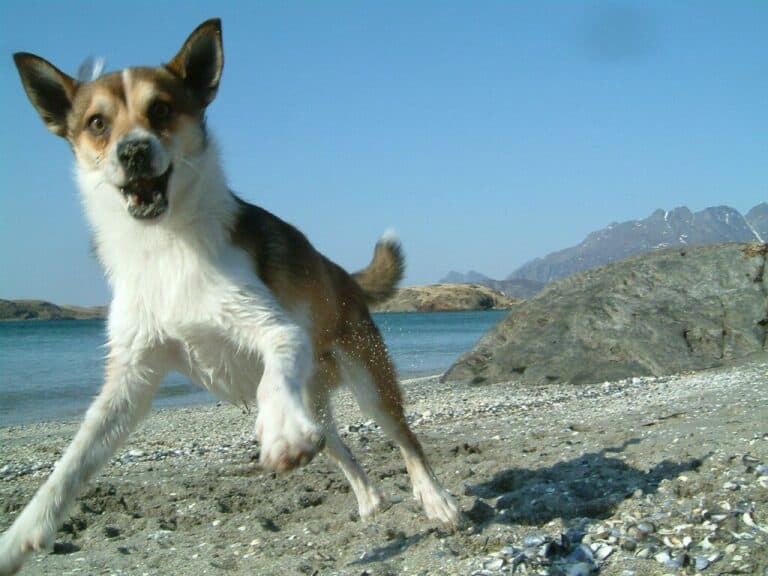
Norwegian Lundehund
About the Breed
The Norwegian Lundehund is one of the most unusual dog breeds in the world. Developed in Norway to climb steep coastal cliffs and retrieve puffins from narrow rock crevices, this small spitz-type breed possesses extraordinary physical adaptations. Most Lundehunds have six fully functional toes on each foot, highly flexible joints, and the ability to close their ears to keep out dirt and moisture.
Compact, agile, and energetic, the breed typically weighs between 20 and 30 pounds and stands about 12 to 15 inches tall. Their wedge-shaped head, erect ears, and dense double coat give them a classic Nordic appearance. Coat colors commonly include reddish-brown, fawn, and black with white markings.
Norwegian Lundehunds are intelligent, curious, and often independent. They form close bonds with their families and can be affectionate and playful, but they may be reserved with strangers. Their alert nature makes them excellent watchdogs, though they are generally not aggressive. Because they were bred to work in challenging environments, they are agile and athletic and enjoy climbing, exploring, and solving problems.
The breed requires regular exercise, mental stimulation, and positive training methods. Their independent personality means they respond best to patient, reward-based instruction. Due to the breed’s rarity and limited gene pool, responsible breeders place significant emphasis on health testing and genetic management.
History
This breed was originated on remote islands along the coast of northern Norway, where local fishermen depended on puffins for food and feathers. The dogs were specially developed to scale steep cliffs and squeeze into tight nesting burrows to retrieve birds and eggs. Their remarkable flexibility and extra toes gave them the traction and maneuverability needed for this dangerous work.
When puffin hunting declined and modern methods replaced working dogs, the breed’s numbers fell dramatically. World War II and disease nearly drove the Lundehund to extinction. A small group of dedicated breeders preserved the remaining dogs and carefully rebuilt the population.
Today, the Norwegian Lundehund remains rare but cherished for its unique history, unusual anatomy, and lively personality. Breed enthusiasts continue working to maintain genetic diversity and improve long-term health.
Height
Most are about 12 to 15 inches tall.
Weight
They usually weigh about 20 to 30 pounds.
Life Expectancy
The typical life expectancy is about 12 to 15 years.
Overall Health
The breed is known for a gastrointestinal condition called Lundehund syndrome, along with patellar luxation and other issues associated with a limited gene pool.
Health Testing They Should Have
Responsible breeders should screen for gastrointestinal health, patellar evaluation, eye disease, and general structural and temperament soundness.
Breed Traits and Characteristics
They are alert, curious, agile, and independent. They are affectionate with their families but can be reserved with strangers.
Temperament Ratings
Affectionate with family: 8/10
Good with young children: 7/10
Good with other dogs: 8/10
Shedding level: 6/10
Watchdog/protective nature: 6/10
Energy level: 7/10
Grooming frequency: 4/10
Drooling level: 1/10
Coat Type
The coat is dense, harsh, and double-coated.
Colors
Common colors include reddish-brown, tan, black, gray, and white combinations.
Markings
White markings are common on the face, chest, legs, and tail tip.
Breed Standard
The breed standard emphasizes flexibility, agility, and unique features such as six toes on each foot and extraordinary neck and shoulder mobility.
Exercise Needs
Lundehunds need moderate daily exercise and mental stimulation.
Training Needs
They are intelligent but independent, requiring patient, positive training.
Final Thoughts
The Norwegian Lundehund is one of the most extraordinary and unusual dog breeds in the world. With its six-toed feet, highly flexible joints, and ability to navigate steep cliffs and narrow crevices, this breed offers a fascinating combination of history, athleticism, and natural adaptability. Their appearance is striking, their background is unique, and their personality is full of curiosity and charm.
Lundehunds are intelligent, alert, and deeply engaging companions. They form strong bonds with their families and often maintain a playful, inquisitive nature throughout their lives. Their small size and affectionate temperament make them appealing to people who want a rare breed with a rich heritage and a distinctive appearance.
At the same time, they are not the right fit for every household. Their independent nature can make training more challenging, and their rarity means that finding a well-bred puppy may require patience. They are also known for specific digestive concerns, including Lundehund syndrome, so working with a knowledgeable breeder and veterinarian is essential.
For owners willing to learn about their special needs, the Norwegian Lundehund can be a truly rewarding companion. They offer something few other breeds can: a living connection to centuries of history and one of the most remarkable examples of canine adaptation. Their intelligence, agility, and affectionate personality make them unforgettable.
If you are looking for a rare, conversation-starting breed with a fascinating past and a loyal heart, the Norwegian Lundehund is an exceptional choice that will bring both joy and intrigue to your home for many years.
Breed Resources
AKC Norwegian Lundehund page: AKC Norwegian Lundehund page
Norwegian Lundehund Club of America: Norwegian Lundehund Club of America
UKC breed reference: UKC Norwegian Lundehund