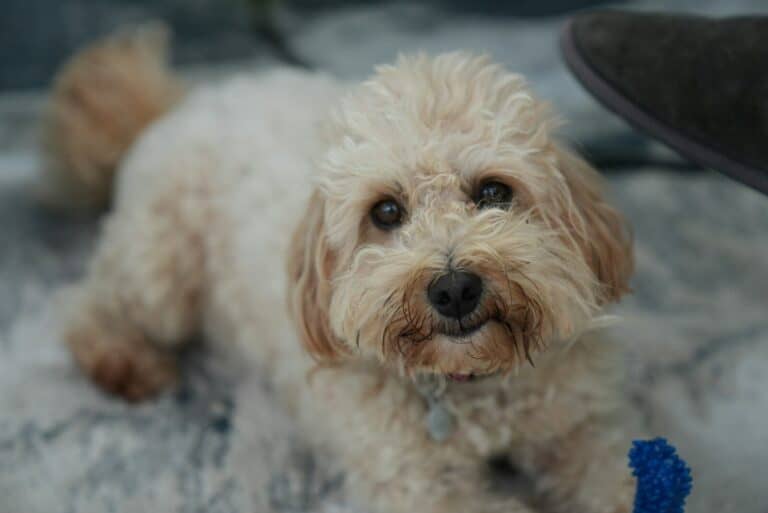
Maltipoo
About the Breed
The Maltipoo is a designer crossbreed created by combining the Maltese and the Poodle. This mix is widely known for its affectionate personality, small size, playful nature, and low-shedding coat potential. Maltipoos are often highly social companion dogs that thrive on attention and close interaction with their families.
Because they combine traits from two companion-oriented breeds, they’re commonly described as loving, intelligent, entertaining, and people-focused. Many inherit the gentle and affectionate temperament of the Maltese along with the intelligence and trainability associated with the Poodle.
One of the reasons this breed has become so popular is its adaptability. These dogs often fit well into apartments, smaller homes, family households, and homes with seniors or singles. Their compact size and affectionate personality make them appealing to people looking for a companion dog that enjoys being closely involved in daily life.
Despite their small size, they are often energetic and playful. Many enjoy games, short walks, interactive toys, and learning tricks. They are usually happiest when spending time with their people and may become very attached to their families.
Because this is a mixed breed, appearance and temperament can vary significantly from one dog to another. Some inherit more Poodle-like features, while others take more heavily after the Maltese. Coat texture, body structure, ear shape, and personality traits may all differ depending on genetics.
They are frequently described as affectionate, playful, intelligent, gentle, social, entertaining, and adaptable.
History
This breed was developed by crossing the Maltese with the Poodle in an effort to combine desirable qualities from both breeds. Interest in this mix increased as people searched for small companion dogs with intelligence, affectionate personalities, and lower-shedding coat potential.
The Maltese is an ancient toy breed with a long history as a companion dog. Originating in the Mediterranean region, the breed became highly valued among royalty and aristocracy for its elegant appearance, portable size, and affectionate temperament.
Maltese dogs are commonly known for:
Affectionate personalities
Gentle temperaments
Playfulness
Loyalty
Social behavior
Strong attachment to owners
The Poodle originated as a water retriever and is widely regarded as one of the most intelligent dog breeds in the world. Toy and Miniature Poodles were later developed to provide smaller companion-sized versions while maintaining the intelligence and trainability associated with the breed.
By combining these two breeds, breeders hoped to create a dog with:
High intelligence
Strong companionship qualities
Playful personality
Smaller size
Trainability
Reduced shedding potential
Because the Maltipoo is a crossbreed rather than a purebred dog, there is no universal breed standard. Size, coat type, personality, and appearance can vary depending on genetics and breeding practices.
Height
Most stand approximately 8 to 14 inches tall at the shoulder.
Height can vary depending on:
Parent size
Genetics
Generation
Overall body structure
Some remain extremely compact, while others inherit slightly taller or sturdier builds.
Weight
Most weigh between 5 and 20 pounds.
Weight varies depending on breeding lines, genetics, structure, and whether a Toy or Miniature Poodle was used in the breeding program.
Responsible breeders should prioritize healthy structure and overall wellness rather than producing extremely tiny sizes.
Life Expectancy
The average life expectancy is approximately 12 to 16 years.
Proper veterinary care, healthy nutrition, regular exercise, preventative care, and responsible breeding practices all contribute significantly to long-term health and longevity.
Smaller companion breeds often enjoy relatively long lifespans.
Overall Health
They are generally considered relatively healthy dogs when responsibly bred, though they may inherit health concerns associated with either parent breed.
Potential health concerns can include:
Patellar luxation
Dental disease
Progressive retinal atrophy
Cataracts
Eye disorders
Tracheal collapse
Allergies
Skin sensitivities
Epilepsy
White shaker syndrome
Liver shunts
Tear staining issues
Because many inherit dense or curly coats, proper grooming and skin maintenance are important for comfort and overall health.
Small breeds are also especially prone to dental disease, making regular dental care an important part of long-term health management.
Health Testing They Should Have
Responsible breeders should prioritize comprehensive health testing before breeding.
Recommended evaluations may include:
Patellar evaluations
Eye examinations
Cardiac screening
DNA screening relevant to both parent breeds
Structural evaluations
Temperament assessments
Breeders should also focus on:
Stable temperament
Healthy movement
Proper socialization
Structural soundness
Overall health
Potential buyers should always ask about health testing performed on both parent dogs and request documentation whenever available.
Breed Traits and Characteristics
These dogs are intelligent, affectionate, playful, and highly companion-oriented dogs.
Common personality traits include:
Affection
Playfulness
Gentleness
Intelligence
Social behavior
Curiosity
Loyalty
Adaptability
Many Maltipoos bond very closely with their owners and enjoy constant companionship.
Because they are intelligent dogs, They generally learn quickly and often enjoy training, games, and interactive activities.
Some inherit slightly more independent traits from the Poodle side, while others strongly prefer being near their owners at all times.
Mental stimulation is important for preventing boredom and encouraging balanced behavior.
Without enough interaction and activity, some may develop undesirable behaviors such as excessive barking or separation anxiety.
Temperament Ratings
Affectionate with family: 10/10
Good with young children: 8/10
Good with other dogs: 8/10
Shedding level: 1/10 to 4/10 depending on coat type
Watchdog/protective nature: 4/10
Energy level: 6/10
Grooming frequency: 9/10
Drooling level: 1/10
Coat Type
The coat can vary significantly depending on genetics.
Possible coat textures include:
Curly
Wavy
Soft
Silky
Fluffy
Some inherit tighter curls similar to the Poodle, while others display softer or straighter coats closer to the Maltese.
Many Maltipoos are considered lower shedding, though grooming maintenance is often extensive.
Routine grooming generally includes:
Frequent brushing
Professional grooming appointments
Facial cleaning
Ear cleaning
Nail trimming
Dental care
Without consistent grooming, matting can become severe, especially in curlier-coated dogs.
Colors
This breed can come in a wide variety of colors and combinations.
Common colors include:
White
Cream
Apricot
Red
Black
Chocolate
Silver
Parti-color combinations
Some coats may lighten slightly as the dog matures.
Eye color is typically dark brown, though variations may occur depending on genetics.
Markings and Patterns
Maltipoos may display:
Solid coloring
Parti patterns
Phantom markings
Abstract markings
Mixed coat patterns
Appearance varies significantly between individual dogs because they are not a standardized breed.
Breed Standard / Crossbreed Note
There is no universally recognized breed standard for the Maltipoo.
Responsible breeders should focus on producing healthy, stable dogs with good temperament and sound structure rather than trying to create identical appearances.
Variation in size, coat, structure, temperament, and energy level is completely normal within this crossbreed.
Potential owners should understand that no breeder can guarantee an exact appearance or personality.
Exercise Needs
These dogs require moderate daily exercise and regular mental stimulation.
Most benefit from:
Short walks
Structured play
Interactive games
Puzzle toys
Training sessions
Social interaction
Because many are energetic and playful, regular activity helps support healthy behavior and overall well-being.
Without enough stimulation, some Maltipoos may become bored or overly vocal.
Training Needs
They are highly intelligent and generally eager to learn.
Training should begin early and include:
Socialization
Basic obedience
Leash manners
Exposure to new environments
Confidence-building experiences
Positive reinforcement methods usually work best.
Many respond well to treat-based training, interactive games, praise, and consistent routines.
Harsh training methods are generally not effective and may create fear or anxiety.
Consistency and patience are important, especially during house training, which can sometimes take longer in smaller companion breeds.
Grooming Requirements
They require regular grooming because of their dense or curly coats.
Routine maintenance typically includes:
Frequent brushing
Professional grooming
Facial cleaning
Ear cleaning
Nail trimming
Dental care
Without regular grooming, coats may mat quickly and become uncomfortable.
Routine grooming also helps maintain healthy skin and coat condition.
Living Environment
They can adapt very well to a variety of living environments provided they receive enough companionship and mental stimulation.
They often do well in:
Apartments
Condos
Family homes
Senior households
Smaller living spaces
Because they are highly social companion dogs, Maltipoos generally do not enjoy being left alone for extended periods.
They thrive best when included regularly in family activities and routines.
Compatibility With Children and Other Pets
Many are affectionate and social with family members and can do very well with children and other pets when properly socialized.
They are often:
Gentle
Playful
Friendly
Interactive
Loving
However, supervision is still important around very young children because smaller dogs can be injured accidentally during rough handling.
Early socialization helps encourage balanced and confident behavior around people and animals.
Common Misconceptions
One common misconception is that all are completely hypoallergenic. In reality, no dog is truly 100% hypoallergenic, and allergy responses vary from person to person.
Another misconception is that Maltipoos are extremely low-maintenance because of their small size. Many actually require regular grooming, consistent training, social interaction, and mental stimulation.
Some owners are also surprised by how energetic and playful they can be.
Is the Maltipoo Right for Everyone?
This breed can make excellent companions for owners willing to invest time into grooming, companionship, training, and regular interaction.
However, they may not be ideal for people seeking:
A highly independent dog
Minimal grooming
Long periods of isolation
Extremely low interaction needs
Potential owners should realistically evaluate their lifestyle before choosing this breed.
Final Thoughts
The Maltipoo combines the affectionate and gentle personality of the Maltese with the intelligence and trainability of the Poodle. The result is often a loving, playful, intelligent, and highly social companion that forms deep bonds with its family.
Although they can be incredibly affectionate and adaptable dogs, they also require regular grooming, social interaction, exercise, mental stimulation, and companionship. Their people-oriented personalities mean they thrive best with owners who enjoy spending time with their dogs regularly.
Because appearance and temperament vary significantly within crossbreeds, working with responsible breeders who prioritize health, temperament, socialization, and structural soundness is extremely important.
For families and individuals looking for a small, affectionate, intelligent, and entertaining companion with a playful spirit and adaptable personality, the Maltipoo can be an incredibly rewarding addition to the family.
Breed Resources
AKC Maltese page
AKC Toy Poodle page
American Maltese Association
Poodle Club of America