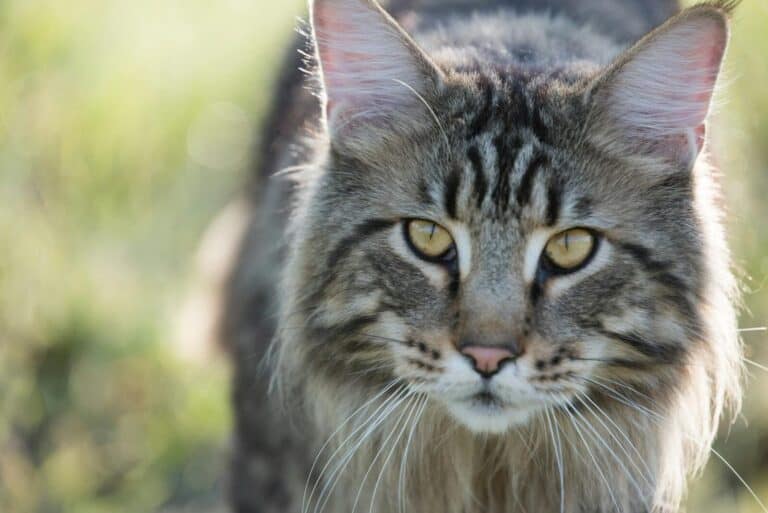
Maine Coon
About the Breed
The Maine Coon is one of the largest and most popular cat breeds in the world. Known for its impressive size, luxurious shaggy coat, tufted ears, bushy tail, and gentle personality, the breed is often referred to as the “gentle giant” of the cat world.
They are affectionate, intelligent, and highly adaptable. They tend to form strong bonds with their families while maintaining an independent streak. Unlike some breeds that demand constant attention, Maine Coons are often content to stay close to their owners, supervise household activities, and participate in daily life without being overly clingy.
These cats are playful well into adulthood and are known for their dog-like personalities. Many enjoy following their owners from room to room, learning tricks, playing fetch, and even splashing in water.
History
This breed developed naturally in the northeastern United States, particularly in the state of Maine, where it evolved as a rugged farm and ship cat capable of surviving harsh winters.
Its dense, water-resistant coat, large tufted paws, and powerful body helped it thrive in cold climates. The breed became highly valued for both its excellent hunting skills and affectionate temperament.
Today, their one of the most beloved pedigree cat breeds worldwide.
Height
Most stand about 10–16 inches tall at the shoulder.
Weight
Females generally weigh 8–12 pounds.
Males commonly weigh 13–18 pounds, though some may exceed 20 pounds.
Life Expectancy
About 12–15 years is commonly cited, and many live longer with excellent veterinary care and nutrition.
Overall Health
This breed is generally healthy, but they can be predisposed to several inherited and structural health concerns.
Common issues include:
Hypertrophic cardiomyopathy (HCM)
Hip dysplasia
Spinal muscular atrophy (SMA)
Polycystic kidney disease in some lines
Dental disease
Obesity if overfed
Responsible breeders routinely perform genetic and cardiac screening to reduce inherited risk.
Health Testing They Should Have
DNA testing for hypertrophic cardiomyopathy
Cardiac screening and echocardiography when indicated
Spinal muscular atrophy DNA testing
Hip evaluation
Routine veterinary examinations
Regular dental evaluations
Genetic testing recommended by the breeder
Breed Traits and Characteristics
They are affectionate, intelligent, and highly social cats. They are often described as:
Gentle and patient
Playful and curious
Dog-like and trainable
Good with children and other pets
Adaptable and easygoing
They typically enjoy climbing, interactive play, puzzle toys, and spending time with their families.
Temperament Ratings
Affectionate with family: 9/10
Good with children: 9/10
Good with other pets: 9/10
Shedding level: 7/10
Watchfulness: 5/10
Energy level: 7/10
Grooming frequency: 6/10
Vocalization: 5/10
Coat Type
They have a long, shaggy, water-resistant coat with a silky texture and substantial ruff around the neck.
Colors
The breed is recognized in nearly every color and pattern except pointed patterns.
Markings
Solid, tabby, tortoiseshell, smoke, shaded, and bi-color patterns are common.
Breed Standard Snapshot
The Maine Coon should appear large, rectangular, and muscular with:
A broad chest
Tufted ears
Large expressive eyes
Substantial bone
Long bushy tail
A rugged weather-resistant coat
The overall impression should be one of strength, balance, and natural beauty.
Exercise Needs
Maine Coons have moderate to high exercise needs. They benefit from climbing structures, interactive toys, puzzle feeders, and daily play.
Training Needs
Maine Coons are highly intelligent and easy to train. Many can learn:
Their name
Fetch
Harness walking
Clicker training
Puzzle-solving games
Simple and advanced tricks
They respond very well to positive reinforcement and regular interaction.
Special Care Considerations
Brush the coat several times per week
Monitor body weight carefully
Schedule routine cardiac and orthopedic screening
Provide climbing and enrichment opportunities
Maintain regular dental care
Keep indoors for safety and longevity
Breed Resources