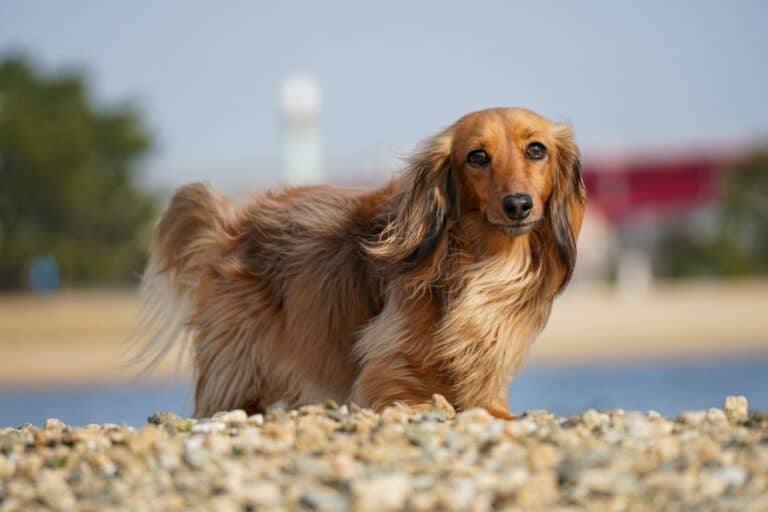
Dachshund
About the Breed
The Dachshund is a small hunting breed known for its long body, short legs, bold personality, and strong scenting instincts. Originally developed to hunt badgers and other burrowing animals, the breed is courageous, intelligent, and often much more fearless than its small size suggests.
They are highly recognizable because of their unique body structure and come in multiple coat varieties and sizes. They are popular companion dogs that typically form strong bonds with their family and are known for being loyal, alert, and entertaining.
Although they are small dogs, they were bred to work independently and can display determination, confidence, and stubbornness. They generally do best with owners who understand the breed’s strong personality and hunting instincts.
History
This breed originated in Germany, where the breed was developed to hunt badgers, rabbits, and other burrowing animals. Their elongated body and short legs allowed them to move through tunnels while tracking and confronting prey underground.
Over time, different sizes and coat varieties were developed for different types of hunting work. Today, these dogs remain a popular companion breed while still retaining many of its original scent hound and hunting instincts.
Life Expectancy
About 12–16 years is commonly cited.
Overall Health
These dogs are generally long-lived dogs, but their unique body structure places them at increased risk for spinal and orthopedic concerns, especially Intervertebral Disc Disease (IVDD). Maintaining proper weight and avoiding excessive strain on the spine are extremely important throughout the dog’s life.
Obesity significantly increases stress on the back and joints, making weight management one of the most important long-term health factors in the breed. Responsible breeding, regular conditioning, and careful activity management can help reduce injury risk.
Dental disease, patella issues, and certain hereditary eye conditions may also occur depending on bloodlines and variety.
Height
Standards dogs generally stand about 8 to 9 inches tall at the shoulder, while Miniatures typically stand about 5 to 6 inches tall.
Weight
Standards dogs usually weigh about 16 to 32 pounds, while Miniatures typically weigh 11 pounds or less.
Health Testing They Should Have
Patella evaluation
Cardiac evaluation
Eye examination by a veterinary ophthalmologist
IVDD screening and spinal awareness within pedigrees
Additional genetic testing relevant to bloodline and coat variety
Breed Traits and Characteristics
Dachshunds are bold, alert, intelligent, and determined dogs with strong hunting instincts and independent personalities. They are often described as loyal, entertaining, curious, and surprisingly fearless.
The breed usually bonds closely with family and can be affectionate and playful, though many also retain a stubborn and independent streak from their hunting background.
Because of their alert nature, Dachshunds are often vocal watchdogs and may be reserved around unfamiliar people until properly introduced.
Temperament Ratings
Affectionate with family: 9/10
Good with young children: 6/10
Good with other dogs: 6/10
Shedding level: 4/10
Watchdog/protective nature: 8/10
Energy level: 6/10
Grooming frequency: 4/10
Drooling level: 1/10
Coat Type
They come in three coat varieties: smooth, longhaired, and wirehaired.
Colors
Common colors include red, black and tan, chocolate and tan, cream, blue and tan, and fawn variations depending on genetics and variety.
Markings
Dapple, piebald, brindle, sable, and tan-point patterns are commonly seen within the breed.
Breed Standard Snapshot
The Dachshund standard emphasizes a long, low dog with a strong muscular build, prominent chest, balanced movement, and confident carriage. The breed should appear capable of working underground while maintaining strength, endurance, and agility.
Exercise Needs
They require regular daily exercise and mental stimulation to maintain healthy weight and muscle tone. Most do well with walks, interactive play, scent games, and moderate activity.
Because of the breed’s spinal structure, owners should avoid excessive jumping, obesity, and activities that place unnecessary strain on the back.
Training Needs
Dachshunds are intelligent dogs but can be independent and stubborn, so training should begin early and remain consistent. Positive reinforcement methods generally work best with the breed.
Socialization, recall, leash manners, crate training, and impulse control are especially important because of the breed’s strong prey drive and independent nature.
Breed Resources
AKC Dachshund page: https://www.akc.org/dog-breeds/dachshund/
Dachshund Club of America: https://www.dachshundclubofamerica.org/
UKC breed reference: https://www.ukcdogs.com/dachshund