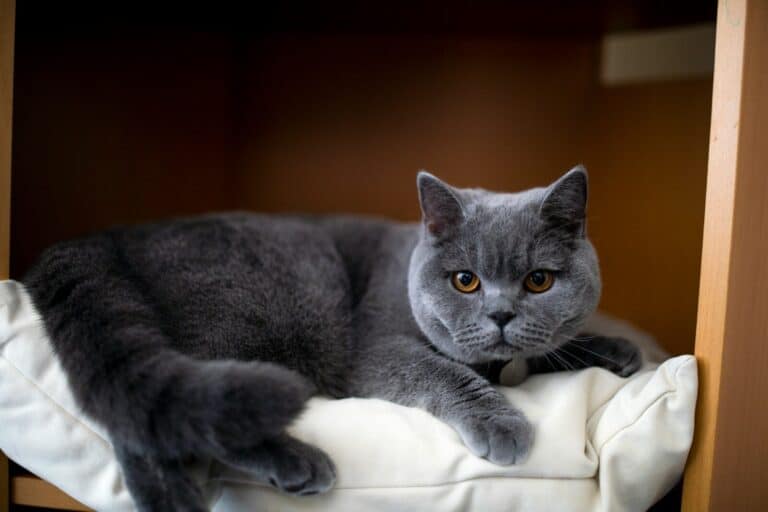
About the Breed
The British Shorthair is one of the oldest and most beloved cat breeds in the world. Known for its plush teddy bear-like coat, large round eyes, broad face, and sturdy body, this breed is admired for both its charming appearance and calm, dependable temperament.
British Shorthairs are affectionate and loyal, but they are generally not overly demanding. They tend to enjoy being near their families rather than constantly sitting in their laps. Their easygoing and adaptable nature makes them excellent companions for singles, families, seniors, and households with other pets.
These cats are known for being quiet, dignified, and independent. While they are playful, especially as kittens, most mature into relaxed and steady companions who appreciate a predictable routine and comfortable home environment.
History
The British Shorthair traces its roots to domestic cats brought to Great Britain by the Romans. Over centuries, these hardy cats adapted to the local climate and became valued for their strength and excellent hunting ability.
During the late nineteenth century, breeders began selectively refining these cats into the modern British Shorthair. The breed nearly disappeared during the World Wars but was successfully rebuilt and remains one of the most popular cat breeds worldwide.
The well-known “British Blue,” with its dense blue-gray coat and copper eyes, is one of the most iconic color varieties, though the breed is recognized in many colors and patterns.
Height
Most British Shorthairs stand about 12–14 inches tall.
Weight
Females generally weigh 7–12 pounds.
Males commonly weigh 9–17 pounds, with some especially large males weighing even more.
Life Expectancy
About 12–20 years is commonly cited, and many live long healthy lives with proper veterinary care and nutrition.
Overall Health
British Shorthairs are generally robust and healthy cats, but they can be predisposed to several inherited and acquired conditions.
Common concerns include:
Hypertrophic cardiomyopathy (HCM)
Polycystic kidney disease (PKD)
Obesity
Dental disease
Arthritis as they age
Because they are naturally sturdy and relatively laid-back, British Shorthairs can gain weight easily if overfed or under-exercised. Maintaining a healthy body condition is one of the most important aspects of long-term care.
Health Testing They Should Have
Cardiac screening for hypertrophic cardiomyopathy
PKD DNA testing
Routine veterinary examinations
Regular dental evaluations
Genetic screening recommended by the breeder
Breed Traits and Characteristics
British Shorthairs are calm, affectionate, and highly adaptable. They tend to be loyal to their families and enjoy spending time nearby without being overly clingy.
They are often described as:
Quiet and undemanding
Gentle and patient
Independent but affectionate
Good with children and other pets
Easygoing and predictable
Their laid-back temperament makes them an excellent choice for owners seeking a relaxed and stable companion.
Temperament Ratings
Affectionate with family: 8/10
Good with children: 9/10
Good with other pets: 8/10
Shedding level: 6/10
Watchfulness: 5/10
Energy level: 4/10
Grooming frequency: 3/10
Vocalization: 2/10
Coat Type
The British Shorthair has a short, dense, plush coat with a crisp texture that stands away from the body.
Colors
British Shorthairs are recognized in a wide variety of colors including blue, black, white, cream, chocolate, lilac, cinnamon, and fawn.
Markings
Common patterns include solid, tabby, bi-color, tortoiseshell, smoke, shaded, and colorpoint.
Breed Standard Snapshot
The British Shorthair should appear compact, powerful, and well balanced with:
A broad round head
Full cheeks
Large round eyes
A short, dense coat
A sturdy, muscular body
A thick tail with rounded tip
The overall impression should be one of strength, balance, and a plush teddy bear appearance.
Exercise Needs
British Shorthairs have moderate exercise needs. Although they are not hyperactive, they benefit from daily play and enrichment to maintain a healthy weight and prevent boredom.
Favorite activities often include:
Interactive toys
Feather wands
Puzzle feeders
Climbing structures
Short play sessions
Training Needs
British Shorthairs are intelligent and adaptable. They can learn:
Litter box habits quickly
Basic routines
Clicker training
Puzzle-solving games
Some tricks
They respond best to positive reinforcement and gentle consistency.
Special Care Considerations
Monitor body weight carefully
Provide regular dental care
Schedule routine cardiac and kidney screening
Offer daily enrichment and play
Maintain a consistent household routine
Breed Resources
CFA British Shorthair Breed Profile