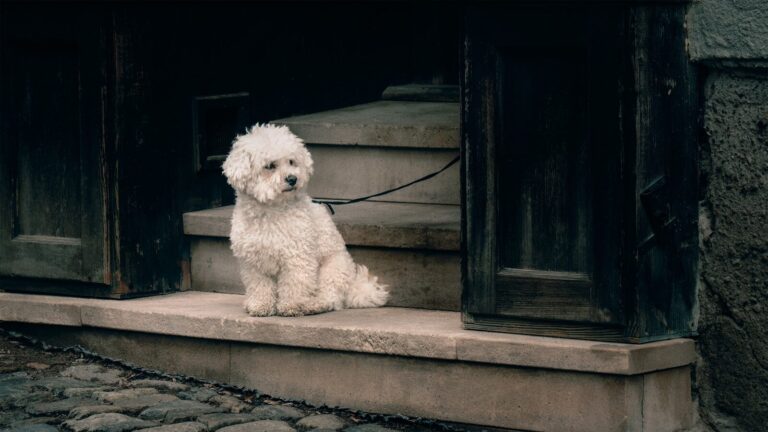
Bichon Frise
About the Breed
The Bichon Frise is a small, cheerful companion breed known for its white, curly coat, dark expressive eyes, and playful, affectionate personality. It is often described as a happy, lively, and sturdy little dog that thrives on interaction with people.
History
The Bichon Frise has roots in Mediterranean and Atlantic regions and later gained popularity in France, where the name “Bichon Frise” became established. The breed was historically kept by sailors and later refined as a companion and show dog in Europe before spreading worldwide.
Height
Most Bichon Frises are about 9.5 to 11.5 inches tall.
Weight
They usually weigh about 12 to 18 pounds.
Life Expectancy
The typical life expectancy is about 12 to 15 years.
Overall Health
Bichon Frises are generally a healthy, long-lived breed, but they can be prone to allergies, skin conditions, eye concerns, and patellar luxation. Because of their dense, curly coat, they require regular grooming to prevent matting and skin irritation. Responsible breeding and routine veterinary care play an important role in maintaining long-term health.
Health Testing They Should Have
Eye disease evaluation
Patellar luxation evaluation
Hip and orthopedic evaluation when relevant
Relevant DNA testing based on lineage
General structural and temperament soundness
Breed Traits and Characteristics
Bichon Frises are friendly, affectionate, bright, and playful, often described as personable and lively. They enjoy attention, typically get along well with people, and adapt well to both apartment and house living. They can be slightly stubborn or sensitive, so calm, consistent handling works best.
Temperament Ratings
Affectionate with family: 9/10
Good with young children: 8/10
Good with other dogs: 8/10
Shedding level: 2/10
Watchdog and protective nature: 5/10
Energy level: 6/10
Grooming frequency: 9/10
Drooling level: 1/10
Coat Type
The coat is double-coated, with a soft undercoat and a curly, fluffy outer coat that is typically kept trimmed in companion homes.
Colors
White
White with light tan or buff shading
Markings
Minimal markings
Primarily solid white appearance
Natural contrast from dark eyes and skin
Breed Standard
The breed standard emphasizes a small, sturdy, well-proportioned dog with a cheerful, confident expression and a full, curly white coat. A correct Bichon Frise should appear compact, balanced, and lively, with a rounded head and expressive eyes.
Exercise Needs
Bichon Frises require moderate daily exercise, including walks, indoor play, and interactive activities. While not high-energy, they still need consistent mental and physical stimulation to stay happy and avoid boredom.
Training Needs
Bichons are intelligent and generally quick learners who respond well to positive reinforcement and gentle, consistent training. Early socialization, house training, and basic obedience are important. Because they are sensitive, harsh correction or inconsistent rules should be avoided.
Final Thoughts
The Bichon Frise is a cheerful, affectionate, and highly adaptable companion breed known for its soft white coat and engaging personality. This small dog was developed to be a close human companion and continues to excel in that role, forming strong bonds with its family and thriving on attention and interaction.
Bichons are often excellent choices for individuals and families seeking a friendly and social dog. They generally get along well with children, other pets, and new people when properly socialized. Their playful and outgoing nature makes them enjoyable companions, and their moderate size allows them to adapt well to apartments, houses, and a variety of living situations.
Although their coat is often considered low-shedding, it requires frequent brushing and regular professional grooming to prevent matting and maintain the breed’s characteristic appearance. They also benefit from daily exercise, mental stimulation, and consistent positive training to reinforce good manners and prevent nuisance behaviors.
Potential owners should be aware that this breed may be prone to separation anxiety if left alone for extended periods, as they strongly prefer companionship and involvement in family life.
For those prepared to provide grooming, attention, and regular care, the Bichon Frise can be an affectionate, entertaining, and devoted companion. With proper health screening and responsible breeding, this breed offers many years of joyful companionship and loving interaction.
Breed Resources
AKC Bichon Frise page: https://www.akc.org/dog-breeds/bichon-frise/
Bichon Frise Club of America: https://bichonfrise.org/
UKC breed reference: https://www.ukcdogs.com/bichon-frise