Bengal
About the Breed
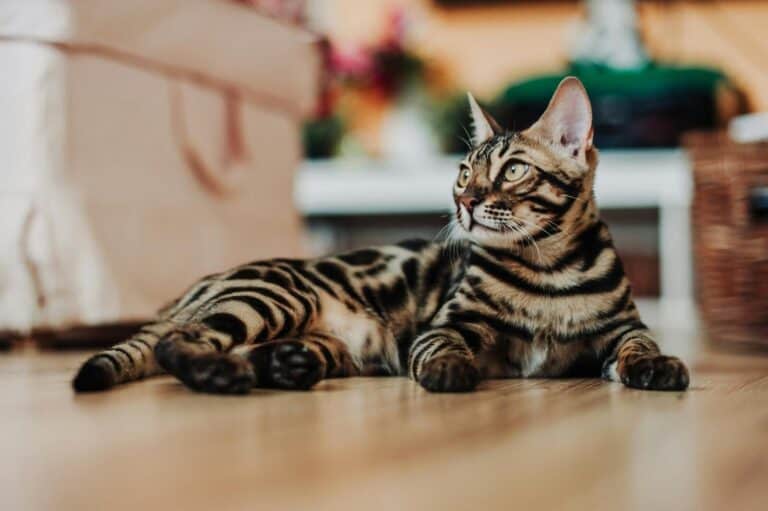
The Bengal is a striking and highly athletic cat breed known for its wild-looking spotted or marbled coat, muscular body, and energetic personality. Developed to resemble small wild cats while maintaining a domestic temperament, Bengals are among the most active and intelligent cat breeds in the world.
These cats are curious, confident, and intensely interactive. They thrive in homes that provide abundant mental stimulation, climbing opportunities, and daily play. Many Bengals are fascinated by water, enjoy learning tricks, and can form exceptionally strong bonds with their families.
This breed is best suited for owners who want an energetic, engaging companion and are prepared to provide significant enrichment and attention.
History
This breed was developed in the United States by crossing domestic cats with the Asian Leopard Cat. Through careful selective breeding over many generations, breeders established the modern Bengal as a fully domestic cat with an exotic appearance.
The breed gained recognition for its dramatic coat pattern, glittered fur, and highly intelligent temperament. Today, Bengals are popular worldwide among owners seeking an active and visually stunning companion.
Height
Most stand about 8–10 inches tall at the shoulder.
Weight
Females generally weigh 8–12 pounds.
Males commonly weigh 10–15 pounds, though some may be larger.
Life Expectancy
About 12–16 years is commonly cited, and many live longer with excellent veterinary care and nutrition.
Overall Health
These cats are generally robust and athletic, but they can be predisposed to several inherited and acquired health concerns.
Common issues include:
Hypertrophic cardiomyopathy (HCM)
Progressive retinal atrophy (PRA-b)
Pyruvate kinase deficiency
Patellar luxation
Gastrointestinal sensitivities
Obesity if under-stimulated
Responsible breeders perform genetic and cardiac screening to reduce the risk of inherited disease.
Health Testing They Should Have
Cardiac screening for hypertrophic cardiomyopathy
PRA-b DNA testing
Pyruvate kinase deficiency DNA testing
Patella evaluation when indicated
Routine veterinary examinations
Genetic testing recommended by the breeder
Breed Traits and Characteristics
This breed is highly intelligent, energetic, and inquisitive. They are constantly exploring their surroundings and prefer to be involved in household activities.
They are often described as:
Athletic and agile
Curious and adventurous
Highly trainable
Interactive and social
Confident and vocal
Many Bengals enjoy climbing tall cat trees, opening cabinets, playing fetch, and splashing in water.
Temperament Ratings
Affectionate with family: 8/10
Good with children: 8/10
Good with other pets: 8/10
Shedding level: 3/10
Watchfulness: 8/10
Energy level: 10/10
Grooming frequency: 2/10
Vocalization: 6/10
Coat Type
These cats have a short, dense, exceptionally soft coat that often displays a distinctive glittered sheen.
Colors
Common colors include brown, silver, and snow.
Markings
They are known for bold spotted and marbled patterns with strong contrast.
Breed Standard Snapshot
The Bengal should appear muscular, athletic, and well balanced with a broad head, strong body, and dramatic coat pattern that evokes the look of a small wild cat.
Exercise Needs
- This breed has a very high exercise and enrichment needs. They require daily interactive play, climbing structures, puzzle feeders, and opportunities to explore.
Without sufficient stimulation, they may become bored and develop destructive behaviors.
Training Needs
They are exceptionally intelligent and highly trainable. Many can learn:
Their name
Fetch
Harness walking
Clicker training
Puzzle-solving games
Advanced tricks
They respond extremely well to positive reinforcement and mentally challenging activities.
Special Care Considerations
Provide tall cat trees and climbing structures
Offer puzzle feeders and rotating toys
Schedule routine cardiac and genetic screening
Maintain regular veterinary care
Ensure substantial daily interaction and enrichment
Final Thoughts
Bengals are an excellent choice for experienced owners seeking an active, intelligent, and highly interactive companion that combines a striking wild appearance with the affectionate and playful personality of a domestic cat.
Breed Resources