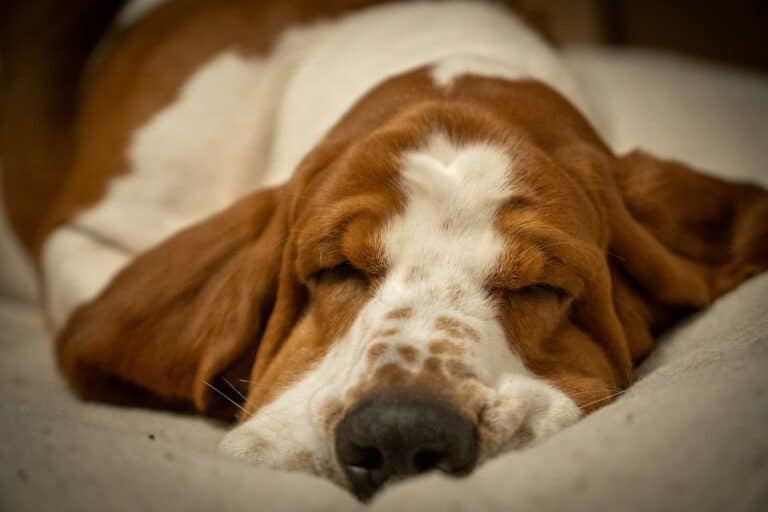
Basset Hound
About the Breed
The Basset Hound is a distinctive short-legged scent hound known for its extraordinary nose, gentle temperament, and unmistakable appearance. With its long ears, loose skin, deep chest, heavy bone, and soulful expression, the breed is instantly recognizable and widely loved for its affectionate and laid-back personality.
Originally developed to follow scent trails over long distances, the Basset Hound possesses one of the most powerful noses in the canine world, second only to the Bloodhound. Their low-to-the-ground structure allows them to remain close to scent, while their endurance and determination make them exceptionally capable tracking dogs.
Despite their somewhat comical appearance, Basset Hounds are serious working dogs with strong instincts and remarkable concentration when following a trail. At home, they are typically calm, loyal, and sociable companions that enjoy spending time with their families. They generally get along well with children and other dogs and are known for their patient and easygoing nature.
Although they are not highly energetic, Basset Hounds still require regular exercise and mental stimulation to maintain a healthy weight and satisfy their natural scenting instincts. Their independent streak and strong nose can sometimes make training a challenge, but they respond well to patient, consistent, reward-based methods.
History
The Basset Hound traces its origins to France and Belgium, where breeders developed low-set hounds from older scenting breeds to create dogs capable of tracking rabbits and hare through dense underbrush and rough terrain. The word “basset” comes from the French word bas, meaning “low,” a reference to the breed’s short stature.
These early hounds were valued because hunters on foot could keep up with them as they followed scent trails slowly and methodically. Their powerful noses, endurance, and measured pace made them especially effective for small game hunting.
In the nineteenth century, the breed gained popularity in England, where further development refined the modern Basset Hound. English breeders crossed French hounds with Bloodhounds to enhance scenting ability, increase bone, and create the characteristic long ears and loose skin seen today.
The breed was later introduced to the United States, where it became popular both as a hunting companion and as a beloved family dog. Today, the Basset Hound remains admired for its exceptional scenting ability, distinctive appearance, and affectionate, easygoing temperament.
Height
The typical height is about 11 to 15 inches at the shoulder.
Weight
Most Basset Hounds weigh about 40 to 65 pounds.
Life Expectancy
The usual life expectancy is about 10 to 12 years.
Overall Health
Basset Hounds are generally sturdy, but their unique structure creates some common health concerns. Their long backs and short legs can contribute to spinal strain, and their long ears can be prone to infection if not kept clean. They are also prone to weight gain, which can make joint and back issues worse.
Health Testing They Should Have
Hip dysplasia evaluation
Elbow evaluation when relevant
Eye disease evaluation
Spinal and orthopedic soundness
Relevant DNA testing based on the breeder’s lines
Breed Traits and Characteristics
Basset Hounds are gentle, affectionate, easygoing, and often somewhat stubborn. They are excellent scent dogs and tend to follow their nose more than commands when they pick up an interesting trail. They are typically good family companions, but they can be slow to respond and may show an independent streak.
Temperament Ratings
Affectionate with family: 9/10
Good with young children: 8/10
Good with other dogs: 8/10
Shedding level: 6/10
Watchdog and protective nature: 4/10
Energy level: 4/10
Grooming frequency: 4/10
Drooling level: 6/10
Coat Type
The coat is short, smooth, and dense.
Colors
Tri-color
Lemon and white
Red and white
Other hound-pattern variations
Markings
Black saddle patterns
Tan points
Ticking
White areas on the face, chest, legs, and tail
Breed Standard
The breed standard emphasizes a low, heavy-boned, long-bodied hound with loose skin, strong scenting ability, and a classic somber but gentle expression. A correct Basset Hound should appear balanced, substantial, and functional rather than delicate.
Exercise Needs
Basset Hounds need regular daily exercise, but not intense athletic activity. Moderate walks and scent-based play are ideal. Overfeeding and inactivity should be avoided, as the breed is prone to weight gain.
Training Needs
Training should be patient and consistent, as Basset Hounds are intelligent but can be willful. They tend to respond best to positive reinforcement, food rewards, and short training sessions. Recall can be challenging, especially when they are focused on a scent.
Breed Resources
AKC Basset Hound page: https://www.akc.org/dog-breeds/basset-hound/
Basset Hound Club of America: https://basset-hound-club-of-america.org/
UKC breed reference: https://www.ukcdogs.com/basset-hound