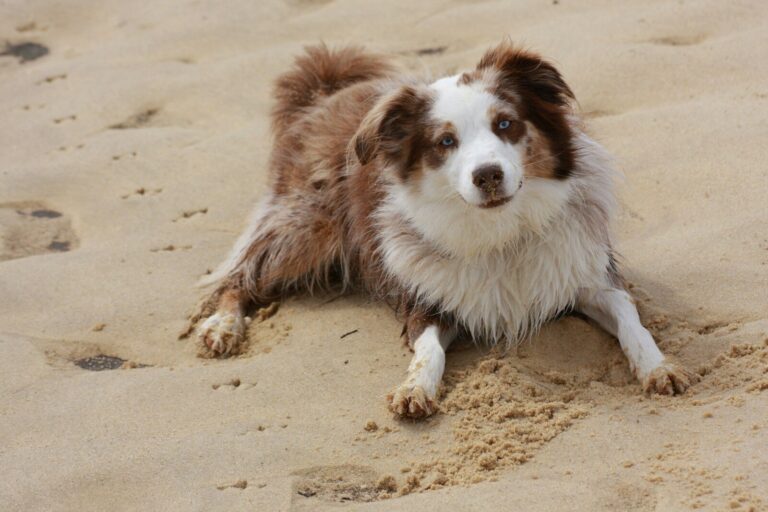
Australian Shepherd
About the Breed
The Australian Shepherd is an intelligent, energetic herding breed known for athleticism, trainability, and strong working instincts. Aussies are highly active dogs that excel in herding, obedience, agility, ranch work, dog sports, and active companion homes.
Despite the breed’s name, the Australian Shepherd was largely developed in the United States as a versatile livestock-working dog. The breed is especially valued for intelligence, responsiveness, endurance, and eagerness to work closely with people.
Australian Shepherds are highly people-oriented and typically form strong bonds with their family. They generally do best in homes that can provide substantial exercise, mental stimulation, structure, and ongoing engagement.
History
The Australian Shepherd developed primarily in the western United States as a livestock-working and ranch dog. The breed became closely associated with shepherds and stock handlers who needed intelligent, athletic dogs capable of handling demanding herding work across large areas of land.
Over time, the breed gained popularity not only for ranch work but also for obedience, agility, rodeo performances, and active family companionship. Today, Australian Shepherds continue to be respected for their versatility, endurance, and strong work ethic.
Height
Males generally stand 20–23 inches and females 18–21 inches.
Weight
Australian Shepherds commonly weigh between 40–65 pounds depending on sex and structure.
Life Expectancy
About 12–15 years is commonly cited.
Overall Health
Australian Shepherds are generally athletic and capable dogs, but the breed can be affected by orthopedic disease, eye disorders, epilepsy, and certain inherited genetic conditions. Responsible breeding, proper conditioning, and regular veterinary care play important roles in maintaining long-term health.
Because Aussies are active working dogs, maintaining lean body condition, joint health, and mental stimulation is especially important throughout life.
Health Testing They Should Have
Hip evaluation
Elbow evaluation
Eye examination by a veterinary ophthalmologist
MDR1 genetic testing
HC and HSF4 hereditary eye disease testing
Additional line-relevant genetic testing
Breed Traits and Characteristics
Australian Shepherds are intelligent, energetic, loyal, and highly trainable dogs with strong herding instincts and excellent problem-solving ability. They are often described as responsive, driven, alert, and eager to work.
The breed usually bonds closely with family and often prefers being actively involved in daily activities. Aussies can be reserved around strangers and may display strong watchful instincts, making early socialization and confidence-building important.
Because of their intelligence and energy level, Australian Shepherds typically do best with owners who can provide regular training, structured exercise, and mentally engaging activities.
Temperament Ratings
Affectionate with family: 9/10
Good with young children: 8/10
Good with other dogs: 7/10
Shedding level: 7/10
Watchdog/protective nature: 7/10
Energy level: 10/10
Grooming frequency: 5/10
Drooling level: 1/10
Coat Type
Medium-length weather-resistant double coat with moderate feathering.
Colors
Common recognized colors include blue merle, red merle, black, and red, often combined with white markings and copper points.
Markings
White trim, copper points, merle patterning, facial blazes, and collar markings are commonly seen within the breed.
Breed Standard Snapshot
The Australian Shepherd standard emphasizes a balanced, athletic, agile working dog with strong movement, moderate bone, intelligence, and endurance. The breed should appear capable of performing demanding livestock work while maintaining sound structure and efficient movement.
Exercise Needs
Australian Shepherds require substantial daily exercise and mental stimulation. Most do best with obedience work, agility, herding activities, hiking, structured play, scent work, and advanced training.
Without enough physical and mental activity, Aussies can become bored, destructive, anxious, or overly reactive because of their intelligence and working drive.
Training Needs
Training should begin early and remain consistent because Australian Shepherds are highly intelligent, energetic, and quick-learning dogs. Socialization, impulse control, recall, leash manners, and confidence-building are especially important.
The breed usually responds extremely well to positive reinforcement and advanced training challenges, but they generally do best with owners who can provide leadership, consistency, and regular engagement.
Breed Resources
AKC Australian Shepherd page: https://www.akc.org/dog-breeds/australian-shepherd/
United States Australian Shepherd Association: https://www.usaasa.org/
UKC breed reference: https://www.ukcdogs.com/australian-shepherd