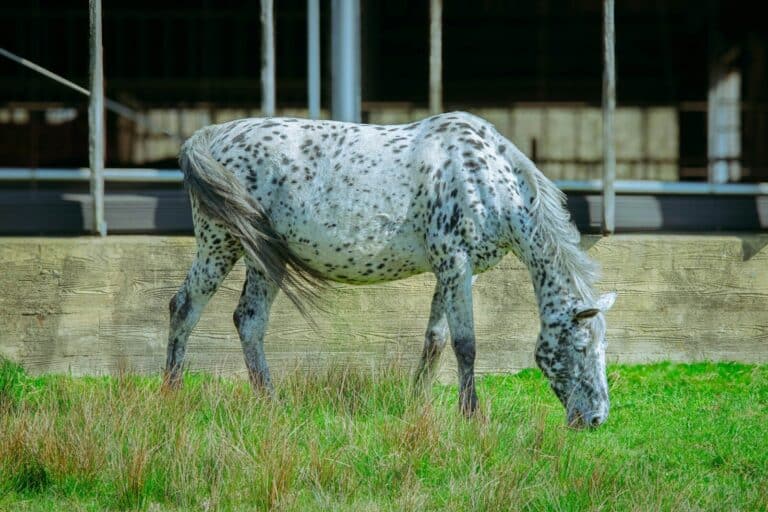
Appaloosa
About the Breed
The Appaloosa is one of the most recognizable and versatile horse breeds in the world. Best known for its colorful spotted coat, mottled skin, striped hooves, and visible white sclera around the eye, the Appaloosa combines striking appearance with athletic ability, intelligence, and a willing temperament.
They are highly adaptable horses used in a wide variety of disciplines, including trail riding, ranch work, western pleasure, reining, barrel racing, endurance, English riding, and family recreation. They are valued for their soundness, stamina, and all-around usefulness.
Because of their versatility and generally steady temperament, they are popular with beginners, experienced riders, ranchers, and competitive equestrians alike.
History
This breed was developed from horses introduced by Spanish explorers and was later selectively bred by the Nez Perce people of the Pacific Northwest. The Nez Perce were renowned horsemen who emphasized speed, endurance, intelligence, and hardiness.
The breed name is derived from the Palouse River region of Idaho and Washington, where these horses became closely associated with the area. Over time, “A Palouse horse” evolved into the name Appaloosa.
Today, the breed is maintained by the Appaloosa Horse Club and remains one of the most popular horse breeds in the United States.
Height
Most stand about 14.2–16 hands tall.
Weight
Most weigh approximately 950–1,250 pounds, depending on build, discipline, and bloodline.
Life Expectancy
With proper care, they commonly live 25–30 years or longer.
Overall Health
They are generally hardy and durable horses, but they do have some breed-specific health considerations.
Common concerns include:
Equine recurrent uveitis (moon blindness)
Congenital stationary night blindness
Polysaccharide storage myopathy type 1 (PSSM1)
General orthopedic issues seen in athletic horses
Because they are significantly more prone to equine recurrent uveitis than many other breeds, eye health should be taken very seriously when selecting breeding stock.
Health Testing They Should Have
DNA parentage verification
Leopard Complex (LP) testing when color inheritance is important
PSSM1 testing
Comprehensive equine disease panel when appropriate
Veterinary eye examinations and documented eye history
Pre-breeding reproductive and soundness evaluations
Breed Traits and Characteristics
They are intelligent, willing, athletic, and highly versatile horses. They are often described as:
Calm and dependable
Trainable and cooperative
Hardy and durable
People-oriented
Adaptable to many riding disciplines
Many excel as family horses because they combine good temperament with practical athletic ability.
Temperament Ratings
Affectionate with handlers: 8/10
Good for beginners: 8/10
Trainability: 9/10
Athletic ability: 9/10
Energy level: 7/10
Versatility: 10/10
Maintenance level: 5/10
Hardiness: 9/10
Coat Type
Short, sleek coat typical of most horses.
Colors
This breed may be bay, black, chestnut, palomino, buckskin, dun, gray, roan, cremello, perlino, and many other base colors.
Markings
Characteristic patterns include:
Leopard
Blanket
Snowflake
Varnish roan
Few-spot leopard
Spotted blanket
Mottled skin, striped hooves, and visible white sclera are hallmark breed traits.
Breed Standard Snapshot
The Appaloosa should appear balanced, athletic, and well-muscled with strong bone, sturdy feet, and sound movement. The breed standard emphasizes usefulness and versatility rather than one extreme body type.
Best For
Trail riding
Ranch work
Western pleasure
Barrel racing
Reining
Endurance riding
English disciplines
Family ownership
Exercise Needs
Appaloosas benefit from regular turnout, consistent riding, and structured exercise that matches their workload and intended discipline.
Training Needs
Appaloosas are intelligent and generally eager to learn. They respond well to clear, consistent training and are often suitable for riders seeking a dependable all-around partner.
Special Care Considerations
Monitor eye health carefully
Maintain routine hoof and dental care
Provide forage-based nutrition
Adjust feed to match workload and body condition
Keep complete health and genetic records
What Buyers Should Look For
When purchasing an Appaloosa, buyers should evaluate:
Eye health and vision history
Balanced conformation
Strong feet and legs
Sound movement
Genetic test results
Temperament and handling
Registration and parentage documentation
Breed Resources