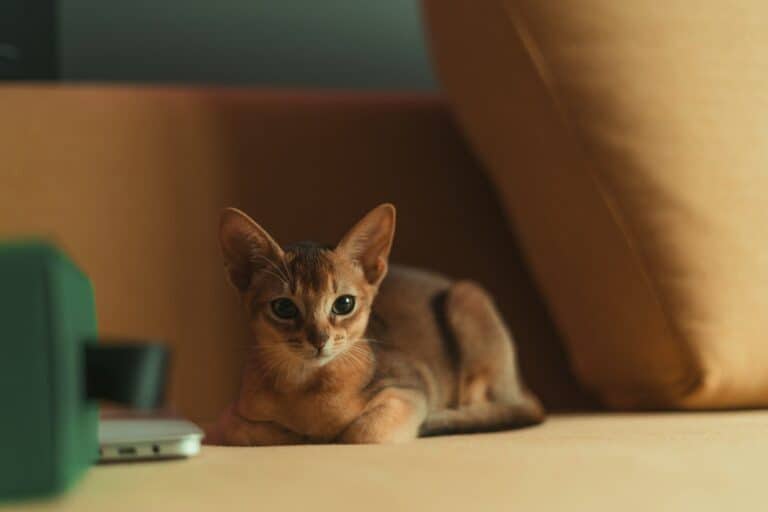
Abyssinian
About the Breed
The Abyssinian is one of the oldest and most recognizable cat breeds in the world. Known for its elegant appearance, warm ticked coat, and highly intelligent personality, the Abyssinian is often described as the athlete of the cat world.
They are active, curious, and deeply interactive cats that thrive on engagement and mental stimulation. They are rarely content to spend the entire day lounging. Instead, they prefer to climb, explore, investigate, and participate in everything happening around them.
These cats form strong bonds with their families and are known for being affectionate without being overly clingy. Many enjoy following their owners from room to room, supervising household activities, and perching in high places where they can observe their surroundings.
This breed is best suited for owners who want an energetic, intelligent companion that enjoys play, problem-solving, and daily interaction.
History
Despite the breed’s name, the modern Abyssinian was developed primarily in Great Britain during the late nineteenth century. The breed is believed to descend from cats imported from regions near the Indian Ocean and East Africa.
They quickly became admired for its distinctive ticked coat, graceful body, and lively personality. Today it remains one of the most popular and respected purebred cat breeds worldwide.
Height
Most stand about 8–10 inches tall at the shoulder.
Weight
Females generally weigh 6–8 pounds.
Males commonly weigh 8–10 pounds.
Life Expectancy
About 12–15 years is commonly cited, although many live longer with excellent veterinary care and proper nutrition.
Overall Health
They are generally healthy and athletic, but they can be predisposed to several inherited and acquired conditions.
Common concerns include progressive retinal atrophy, pyruvate kinase deficiency, renal amyloidosis, periodontal disease, and patellar luxation.
Routine veterinary care, dental maintenance, and genetic screening are important for preserving long-term health.
Health Testing They Should Have
Progressive Retinal Atrophy DNA testing
Pyruvate Kinase Deficiency DNA testing
Routine ophthalmic examinations
Patella evaluation when indicated
Regular dental examinations
Routine veterinary screening
Breed Traits and Characteristics
Abyssinians are intelligent, athletic, curious, and highly interactive. They are often described as extroverted and playful, with a constant desire to explore and engage with their environment.
They usually prefer to be involved in daily activities rather than remaining isolated. Many enjoy climbing cat trees, solving food puzzles, learning tricks, and interacting with both people and other pets.
Although affectionate, they tend to express their love through companionship and activity rather than constant lap sitting.
Temperament Ratings
Affectionate with family: 9/10
Good with children: 8/10
Good with other pets: 8/10
Shedding level: 3/10
Watchfulness: 8/10
Energy level: 10/10
Grooming frequency: 2/10
Vocalization: 4/10
Coat Type
The Abyssinian has a short, fine, silky coat with distinctive agouti ticking. Each hair contains multiple bands of color, creating a glowing, warm appearance.
Colors
Recognized colors include ruddy, red, blue, and fawn.
Markings
The hallmark of the breed is even ticking across the body, with darker shading along the spine and tail.
Breed Standard Snapshot
The Abyssinian should appear medium-sized, lithe, and muscular with large ears, almond-shaped eyes, and a balanced, graceful body. The overall impression is one of elegance, alertness, and athletic ability.
Exercise Needs
Abyssinians require substantial daily mental and physical stimulation. They thrive in homes that provide climbing opportunities, puzzle feeders, toys, and regular interactive play.
Without enough stimulation, they may become bored and develop unwanted behaviors.
Training Needs
Abyssinians are exceptionally intelligent and highly trainable. Many can learn:
Their name
Fetch
Clicker training
Puzzle-solving games
Harness walking
Advanced tricks
They respond very well to positive reinforcement and enjoy mentally challenging activities.
Special Care Considerations
Provide tall cat trees and climbing structures
Maintain consistent dental care
Offer enrichment and rotating toys
Ensure regular veterinary screening
Provide companionship and interaction
Breed Resources